True Food Kitchen Closes New Orleans Location as Bankruptcy Hits
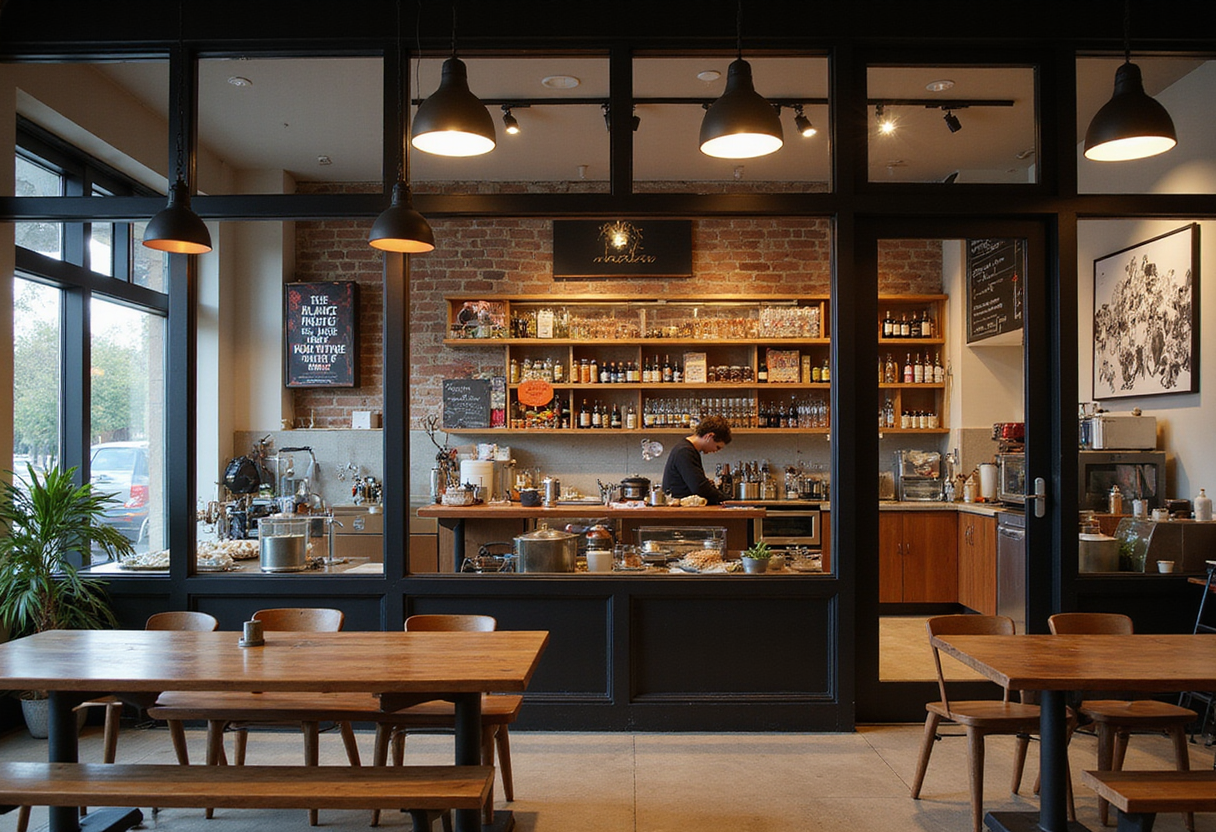
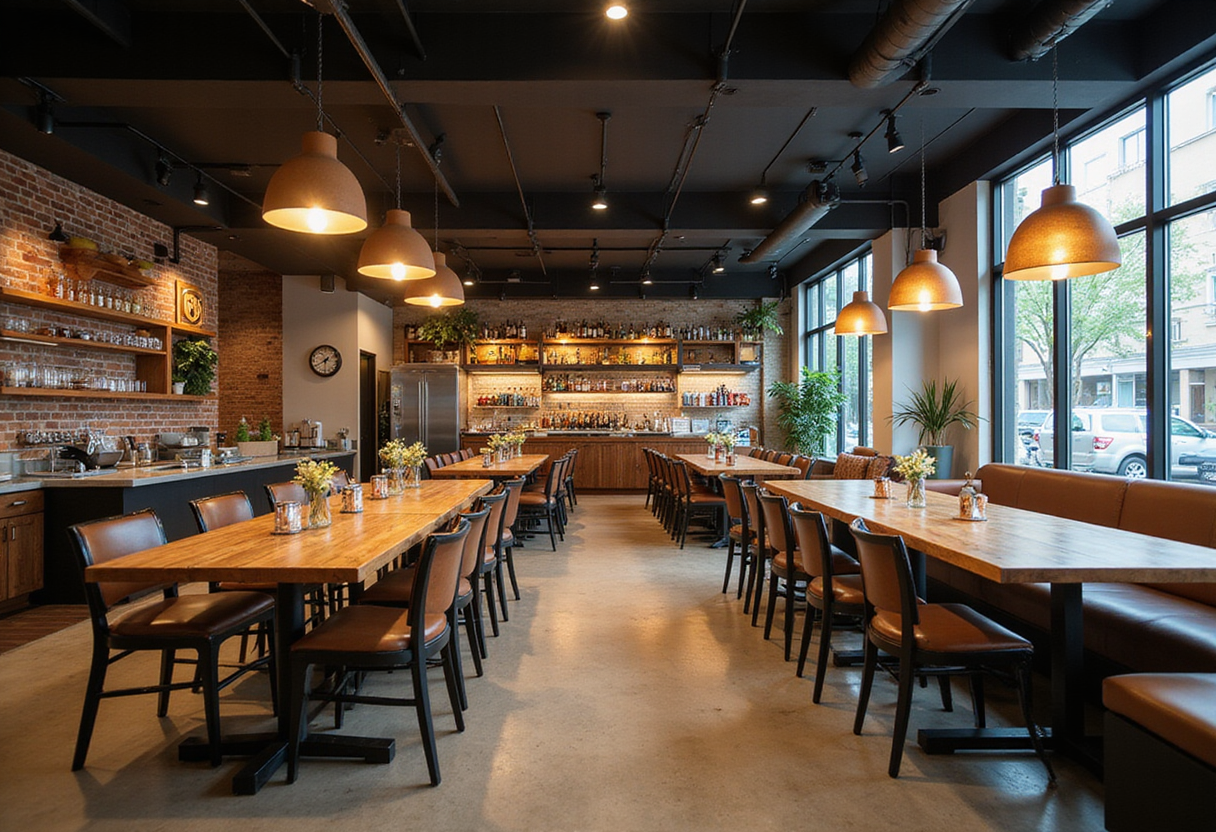
True Food Kitchen has closed its New Orleans restaurant as the Oprah Winfrey-backed health-focused chain files for bankruptcy protection and restructures.
True Food Kitchen has closed its New Orleans restaurant as the Oprah Winfrey-backed company files for bankruptcy protection.
The closure removes one of the brand's health-focused, seasonal-menu locations from the New Orleans market. True Food Kitchen, a restaurant chain built around anti-inflammatory cuisine developed with integrative medicine figure Dr. Andrew Weil's philosophy, has struggled financially despite a high-profile investor roster that includes Oprah Winfrey.
What happened in New Orleans?
The New Orleans restaurant has shut its doors. The unit closure coincides with the parent company's decision to seek bankruptcy protection — a move that signals the chain could not carry its cost structure, including leases and labor, through current trading conditions.
For a growth-oriented, full-service concept positioned in the better-for-you segment, a bankruptcy filing typically freezes expansion and hands landlords and creditors a seat at the restructuring table. Company-operated locations such as New Orleans are the first to be culled when unit-level economics turn negative.
Who owns True Food Kitchen?
Oprah Winfrey is the most recognizable backer of the company. Her involvement dates to a 2017 investment round that put the media mogul on the brand's board and gave the then-fast-growing concept significant consumer visibility.
The chain, headquartered in Phoenix, Arizona, grew from a collaboration with Fox Restaurant Concepts before Fox's parent, mutually, sold its stake as part of the broader Bloomin' Brands–Fox relationship. Winfrey's investment made her a co-owner alongside other private investors.
What does bankruptcy mean for the chain?
A bankruptcy filing does not necessarily liquidate a restaurant company. Operators frequently use Chapter 11 to shed underperforming leases, renegotiate debt and emerge leaner. What it does mean is that unprofitable doors — like the New Orleans location — close first, while stronger markets continue operating during restructuring.
The New Orleans closure reflects the pressure on full-service dining: rising food and labor costs squeezing margins at concepts whose check averages and traffic no longer cover the load. Health-positioned menus have not insulated the chain from the same cost inflation hitting the broader casual-dining sector.
What comes next?
The company has not disclosed how many additional locations could close or what the restructuring timeline will be. The outcome will hinge on creditor negotiations and whether the remaining restaurant base can generate positive unit-level cash flow through the Chapter 11 process.
More from Elena Vasquez
Show full bio
News editor covering industry trends and analytics at The Pass Brief.
245 articles