Toledo Executive Chef Breaks Silence on Kitchen Mental Health
A Toledo executive chef is urging kitchen veterans to treat burnout and mental strain as fixable, declaring it 'Never Too Late' to change course.
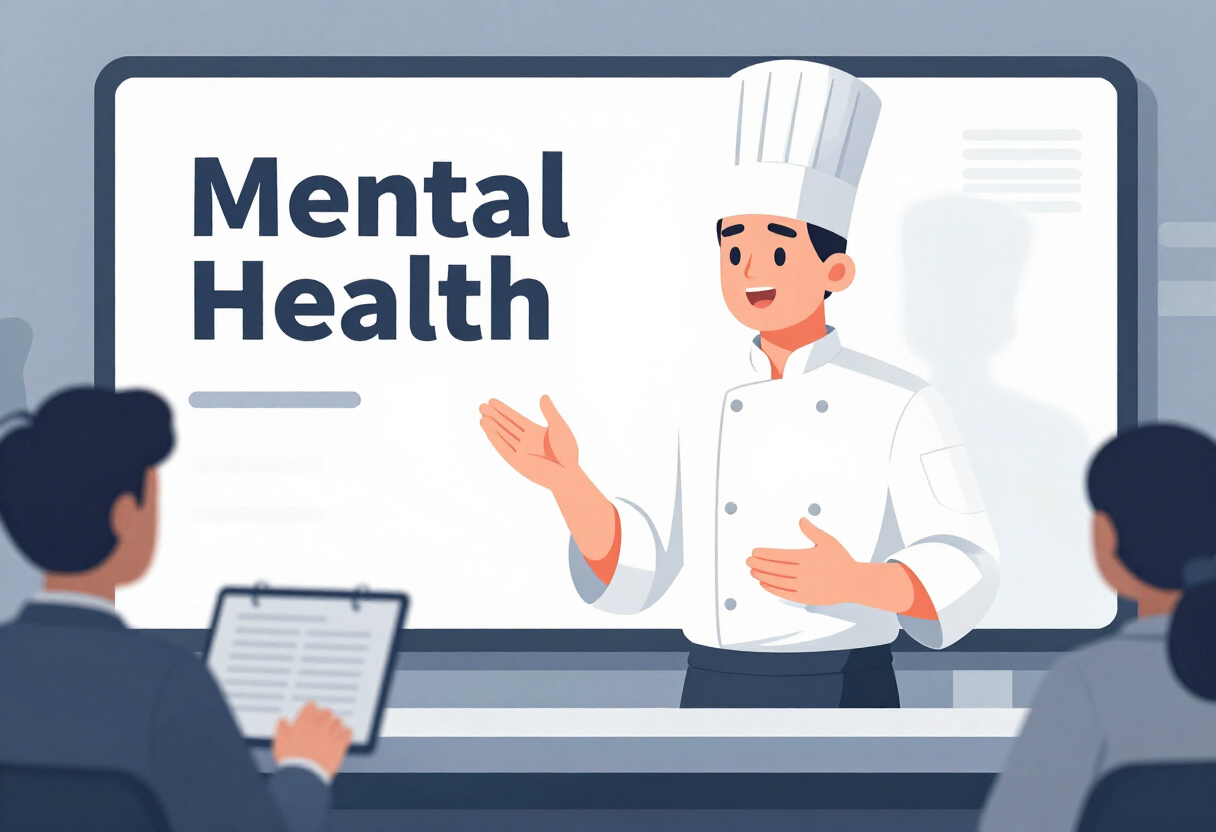
An executive chef working in the Toledo, Ohio market is speaking publicly about mental health in the restaurant industry, using the phrase "Never Too Late" to frame a message aimed at cooks and operators who have spent years treating chronic stress, substance use and burnout as the cost of doing business in foodservice.
The chef's decision to go public comes as restaurant kitchens continue to run on labor models built around long shifts, thin staffing and high-pressure service windows — conditions that industry surveys have long linked to elevated rates of anxiety, depression and substance use among back-of-house workers. The "Never Too Late" framing speaks directly to veteran staff who may believe they have already passed the point where changing habits or seeking help is worthwhile.
The stakes for operators are economic as much as personal. Kitchens that lose experienced line cooks and sous chefs to burnout absorb the cost of turnover — recruiting, training and the productivity gap while a station sits understaffed. In an environment where labor already consumes a outsized share of total operating cost for most full-service restaurants, unmanaged attrition compounds the pressure on already thin margins.
The chef's message also lands amid a broader shift in how the industry treats workplace culture. Chains and independent operators alike have spent recent years testing four-day workweeks, shortened service hours and staged prep schedules to reduce the grind of the traditional kitchen calendar. Mental health resources — from employee assistance programs to industry-specific hotlines — have moved from perk to retention tool as operators compete for a labor pool that remains tighter than pre-pandemic norms.
For back-of-house staff, the public testimony from a working executive chef carries weight that corporate wellness programming often lacks. The message from leadership inside the kitchen, rather than from human resources, signals that acknowledging exhaustion or asking for help will not cost a cook their station or their shot at promotion.
The core of the message is simple: no matter how many years a cook or chef has spent normalizing the physical and mental toll of the job, the door to change remains open — it is, as the chef puts it, never too late.
Whether that message translates into changed scheduling practices, better access to support services or simply more honest conversation on the line in the Toledo market may offer a case study for other mid-size restaurant communities watching how operators respond when kitchen staff speak up.
More from Elena Vasquez
Show full bio
News editor covering industry trends and analytics at The Pass Brief.
34 articles