The Hospitality Show Relocates to Miami as South Florida Hotels Gain Momentum
The Hospitality Show heads to Miami, placing the trade event in one of the country's strongest-performing hotel markets as South Florida's momentum draws owners and vendors.
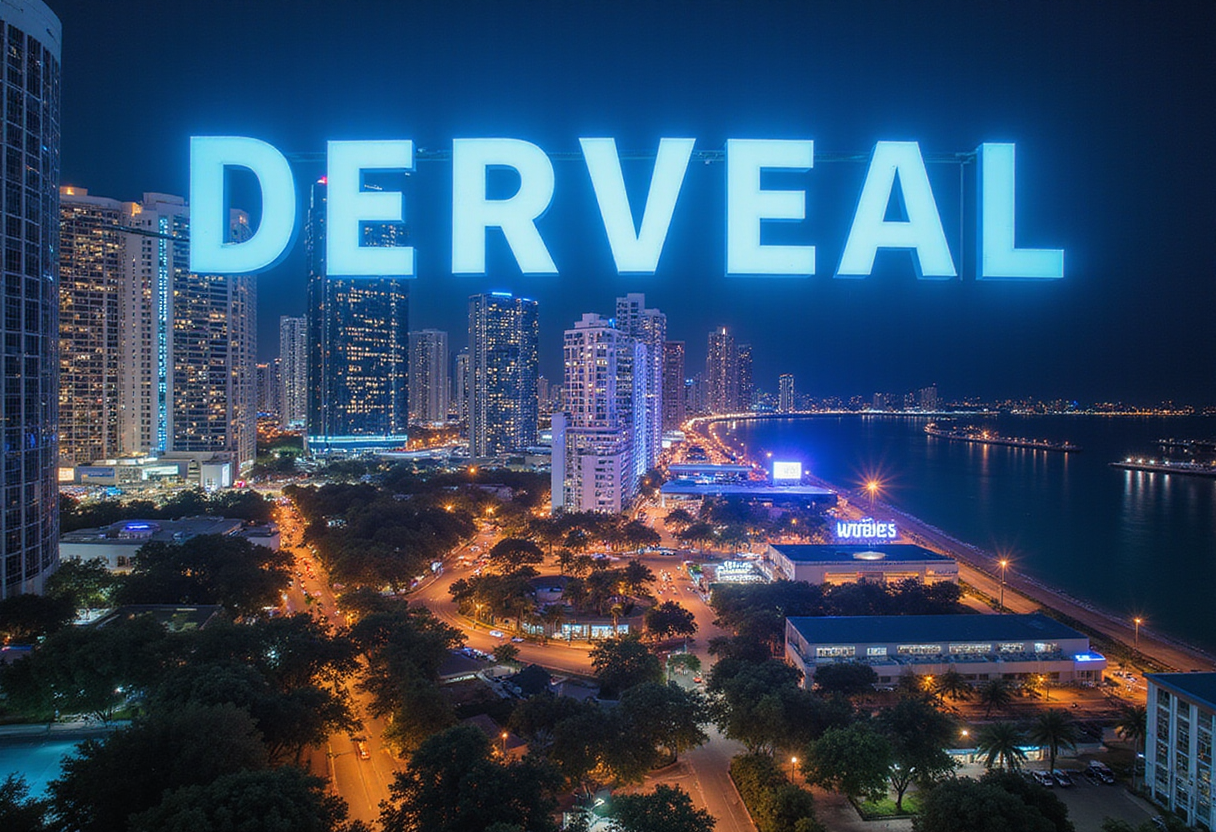
The Hospitality Show is heading to South Florida, placing the trade event squarely in Miami at a moment when the city's hotel industry carries visible momentum.
The show's organizers selected Miami for its next edition, and the location decision itself signals something. Trade shows migrate toward markets where operators, owners and investors want to be — and Miami currently sits high on that list. The city's hotel sector has spent the past several years drawing outsized demand from leisure travel, group business and international visitors, and that performance is the backdrop against which the event will unfold.
For attendees, the venue matters beyond convenience. A show staged in an active, high-performing hotel market lets operators walk out of the convention hall and into working properties. Miami's hotel base spans independent luxury assets, major brand flags and a deep pipeline of new construction, which gives the event's exhibitors and education sessions a live laboratory within a short radius.
The timing also aligns with a broader industry moment. Hotel operators nationwide continue to manage elevated labor costs, rising insurance premiums in coastal markets and shifting patterns of business and group travel. South Florida has felt each of those pressures acutely, particularly insurance, and Miami's operators have worked to offset cost inflation through rate strength and steady occupancy. That dynamic — cost pressure on one side, revenue performance on the other — is precisely the operating equation the show's programming tends to address.
Miami's momentum has been a running theme in recent industry reporting. The market ranked among the country's strongest performers on revenue per available room in the post-pandemic recovery, driven by leisure demand that arrived earlier and stayed longer than in most U.S. gateway cities. Group and corporate demand has followed, and new supply has entered the market to capture it. Hotel Management's coverage framing the show's arrival notes that momentum explicitly: the event lands in a city where the hotel business is visibly expanding rather than merely recovering.
For vendors, the move to Miami presents a concentrated audience. The Hospitality Show draws owners, management companies and brand executives who control purchasing decisions across technology, food and beverage programs, operations equipment and services. In a market like Miami — where food-and-beverage revenue carries unusual weight in the hotel profit mix and where properties compete aggressively on outlets, rooftops and programming — suppliers in the F&B and guest-experience categories will find their offerings tested against a high local standard.
The show's South Florida edition will also give operators from colder-weather and lower-rate markets a direct look at how Miami properties have engineered their revenue models. Rate positioning, outlet strategy and labor deployment in a high-cost, high-revenue market offer a useful contrast for operators managing thinner margins elsewhere.
What the Miami edition ultimately demonstrates will depend on attendance, deal flow and the substance of the sessions. But the location decision already tells part of the story: the industry's calendar-makers see South Florida as the place where hotel momentum is easiest to see, and the show's organizers have positioned their event to ride it. Expect the market's performance data and the show's vendor activity to be read together as a signal of where hotel investment and operations spending head next.
More from Elena Vasquez
Show full bio
News editor covering industry trends and analytics at The Pass Brief.
97 articles