The Claremont Builds Hotel Demand on Its Haunted Reputation
The Claremont has reportedly converted its haunted reputation into a hotel demand driver. The claim lacks occupancy and rate data, and the durability of lore-driven demand remains unproven.
By Marcus Bennett
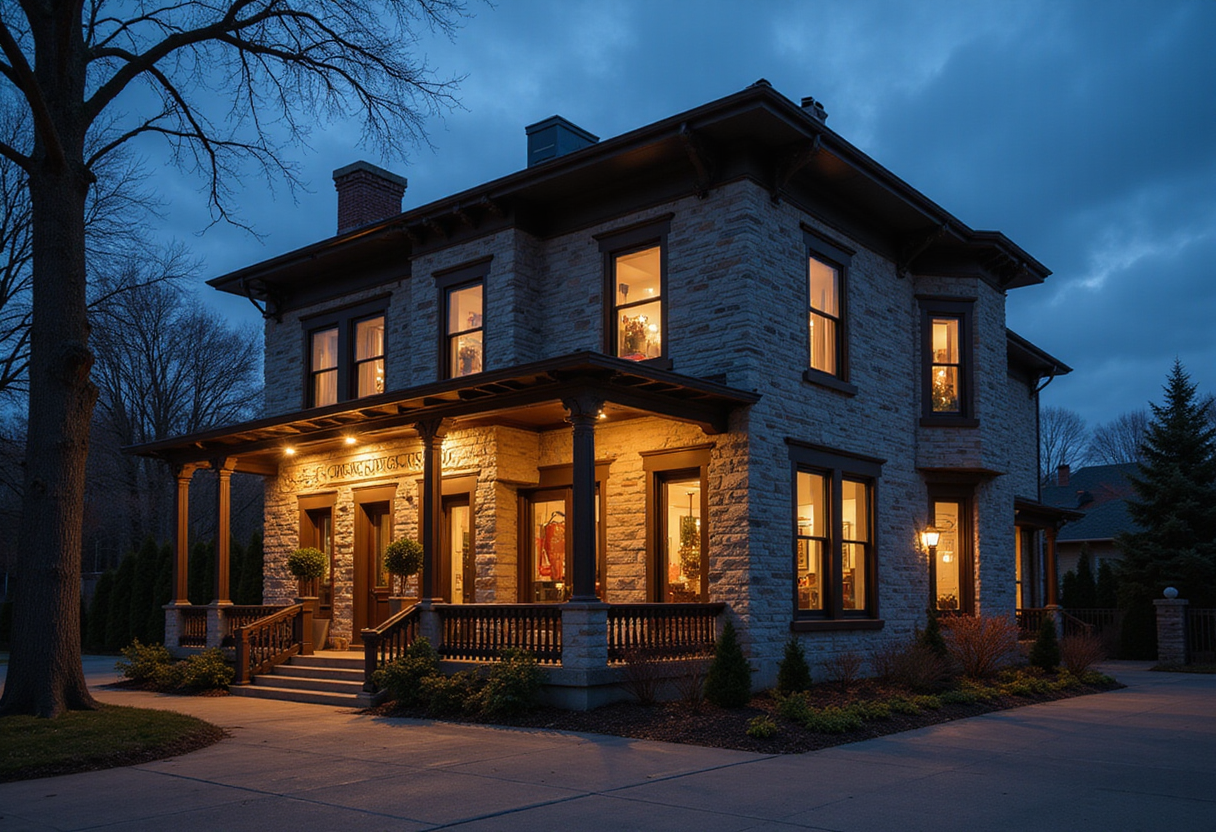
One hotel has turned decades of ghost stories into bookings. That is the claim in a Hospitality Net report on The Claremont, a property whose haunted reputation now functions as a demand driver rather than a liability.
The distribution of the story deserves scrutiny. The available reporting is thin on the numbers that would settle the question, and readers should treat the marketing narrative accordingly.
What does haunted lore actually sell?
Heritage hotels face a familiar problem. Old buildings carry high maintenance costs and compete against newer inventory with lower operating expenses. A distinct story can justify rate premiums and drive off-season occupancy that standard amenities cannot.
The Claremont's approach fits that logic. Ghost lore gives the property a position competitors cannot copy. Whether that position translates into sustained revenue per available room is the test, and the report does not provide the figures needed to verify it.
This is not a new playbook. Hotels in Savannah, New Orleans and Edinburgh have run ghost tours and themed packages for years, often charging premiums for rooms with reported paranormal histories. The Claremont appears to be applying the same demand strategy to its own lore.
What is the operational play?
Lore-based marketing typically touches several revenue lines:
- Themed packages priced above standard rack rates
- Event programming built around the property's history
- Off-season demand that offsets shoulder-month softness
- Earned media that lowers customer acquisition cost
Each of these levers depends on execution. A haunted reputation without structured programming produces anecdotes, not revenue. The Claremont's reported success suggests it has built programming around the lore rather than simply acknowledging it.
What is not said?
The report does not disclose occupancy rates, average daily rate or the cost of maintaining the programming. That omission matters. Demand stories without unit economics are press releases wearing analysis.
Nor does the reporting separate seasonal spike from durable lift. October-driven bookings are easy to generate. Holding rate and occupancy gains through the second quarter is harder, and the claim remains untested without that data.
Ownership details, market position and competitive context also sit outside the available text. Readers evaluating the strategy for their own properties should ask what the marketing cost and what it returned.
The broader lesson
The Claremont case joins a wider trend of heritage properties converting intangible assets, lore among them, into pricing power. The mechanics are replicable: identify the story guests already tell, build programming around it, and price the result.
The caveat is durability. Lore draws curiosity once. Repeat demand requires service quality, capital upkeep and rate discipline that no ghost can supply. Properties copying the tactic without the underlying operations will learn that lesson at their own cost.
Expect more heritage hotels to test this lane as differentiation gets harder. The ones that publish their numbers will be the ones worth watching.
More from Marcus Bennett
Show full bio
Market editor covering technology and product news in Restaurant and hotel operations at The Pass Brief.
343 articles