Taipei Times: Hotelier Ties Guest-Count Lift to Business Travel
A Taipei Times report attributes rising guest counts at a Taiwanese hotelier's property to corporate travel rather than leisure, though the dispatch names no operator and discloses no occupancy or ADR data.
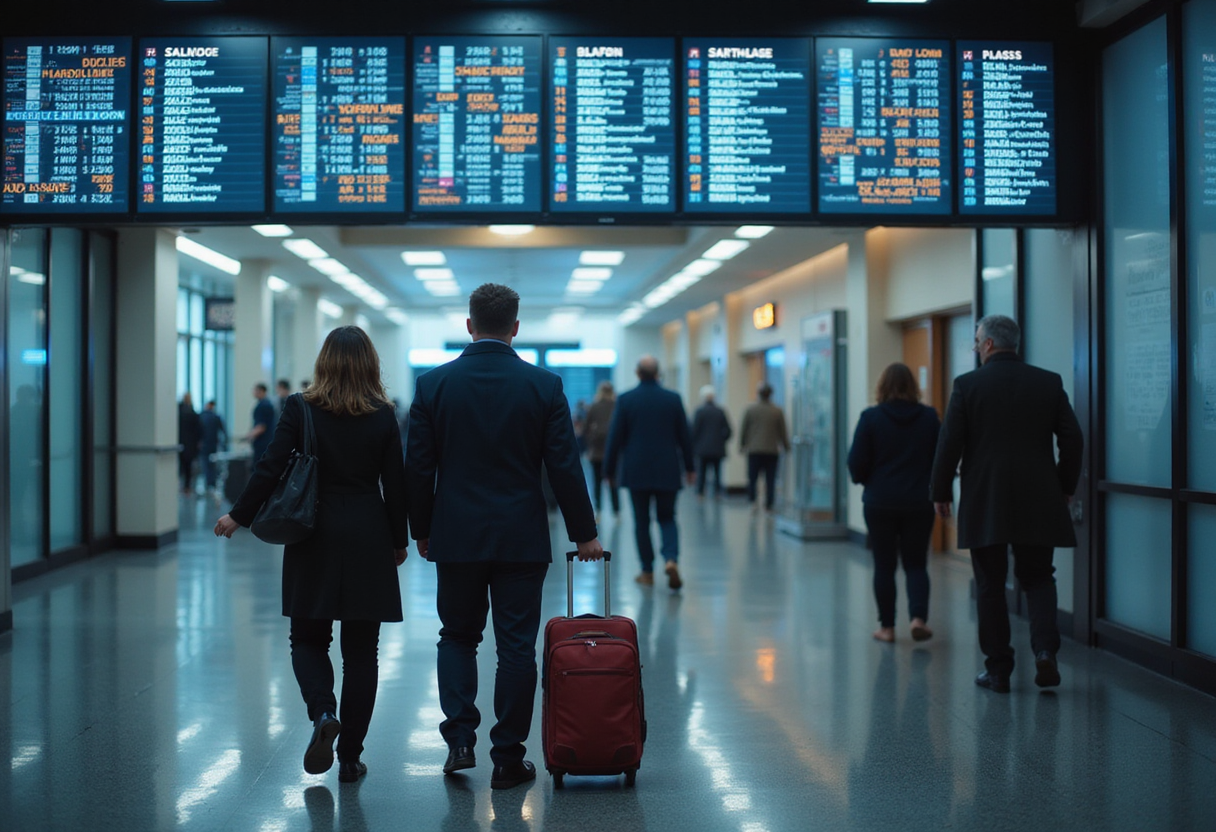
A hotelier told the Taipei Times that business travel is the active demand channel driving gains in guest counts at his property, a finding that positions corporate itineraries at the center of Taiwan's lodging recovery rather than the leisure stays that powered the 2022-2023 rebound.
The Taipei Times dispatch, headlined "Business travel pumping up guest numbers: hotelier," does not specify the operator, the property or the percentage lift in occupancy, ADR or RevPAR tied to the upswing. What the report establishes is the demand mix: weekday corporate room nights, conference attendance and in-person sales travel now lead the property's booking pace.
What does the segment shift mean for operators?
A pivot from leisure-led to corporate-led demand reshapes hotel economics in three ways that any operator reading the report should weigh:
- Revenue mix and rate discipline. Corporate room nights typically carry negotiated or RFP-disclosed BAR rates that price below transient leisure but arrive in contracted volume. RevPAR lift per night is smaller than a comparable leisure upswing, yet occupancy gains compound across Monday-through-Thursday — historically the four lowest-occupancy nights in Taiwan's leisure-skewed markets.
- F&B attachment. Business travelers attach at higher rates to breakfast covers, express lunch service and group dinners, raising covers per occupied room and improving F&B labor productivity. The trade-off is COGS concentration in protein and beverage lines that withstand less menu inflation than leisure casual-dining fare.
- Labor planning. Weekday-heavy demand concentrates housekeeping, front-desk and stewarding schedules around Monday-through-Thursday cycles, reducing weekend overtime exposure that surged during the leisure-led 2022-2023 recovery.
Why Taiwan's geography amplifies the signal
The hotelier's report lands in a market where corporate demand concentrates along three corridors that operators should track separately:
- Taipei. Headquarters, financial-services and government-related travel, where rate integrity has held close to pre-pandemic levels for premium-segment properties.
- Hsinchu. Semiconductor and electronics client visits tied to Science Park activity, a demand stream that has tracked above the 2023 baseline since the second quarter.
- Kaohsiung. Industrial, port and petrochemical travel that has lagged the rest of the island since 2022.
A corporate-tilted demand mix rewards properties with meeting space, group F&B capacity and business-center infrastructure — assets that leisure-led recoveries tend to under-monetize.
What the report does not contain
The Taipei Times headline carries no occupancy percentage, ADR movement, year-over-year comparison or property-level detail. Operators reading the dispatch should treat the segment finding — business travel active, leisure secondary — as the report's only empirical content. Inferring specific rate or volume gains exceeds what the source supports.
A full demand print from Taiwan-listed hotel groups in the next two reporting cycles will test whether the hotelier's segment read holds at chain level, or whether inbound tourism and Mainland visitor flows dilute the corporate share before year-end.
More from Elena Vasquez
Show full bio
News editor covering people, launches and day-to-day practice in Restaurant and hotel operations at The Pass Brief.
267 articles