Sweetgreen Opens Its Menu Data to ChatGPT and Claude Ordering
Sweetgreen has made its menu machine-readable for ChatGPT and Claude, letting AI agents build orders around protein, allergen and budget goals while checkout stays on its own app.
Sweetgreen on Wednesday launched agentic ordering through ChatGPT and Claude, becoming one of the first restaurant chains to make its menu data machine-readable by third-party AI assistants. Consumers can ask the platforms to build an order around protein targets, allergens or a spending cap, but checkout and payment still run through Sweetgreen's own app or website.
The mechanics matter more than the branding. Sweetgreen has structured its menu information so AI agents can read every ingredient, allergen and price, and hold that data accurate down to the individual restaurant. The assistant recommends a bowl; a link hands the customer off to Sweetgreen, where the order lands in a digital bag with a tap. Saved payments, credits and loyalty rewards apply at that stage — not inside ChatGPT.
What does the customer actually get?
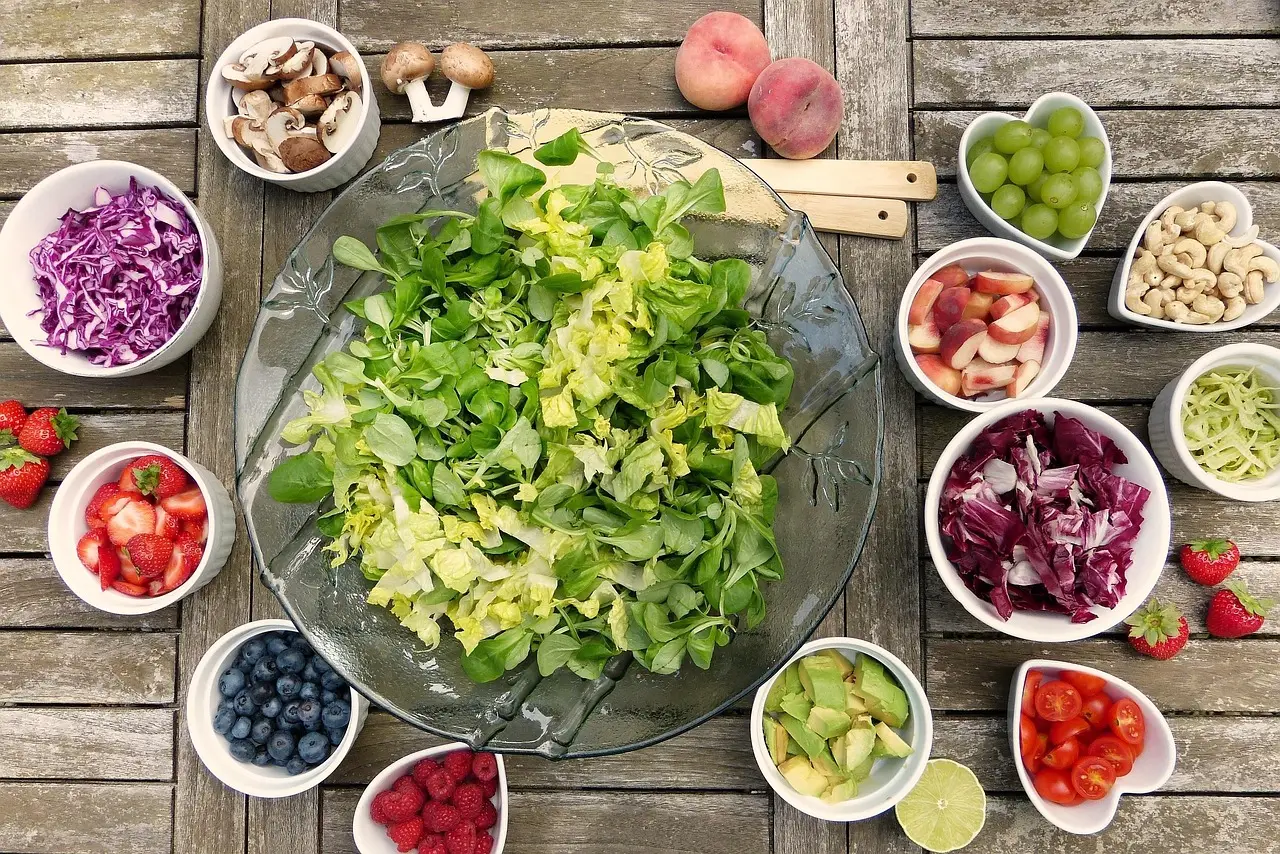
The promise is precise, goal-based ordering. Ask for a bowl with chicken, plenty of vegetables and fewer than 600 calories, and ChatGPT will assemble one from Sweetgreen's component list.
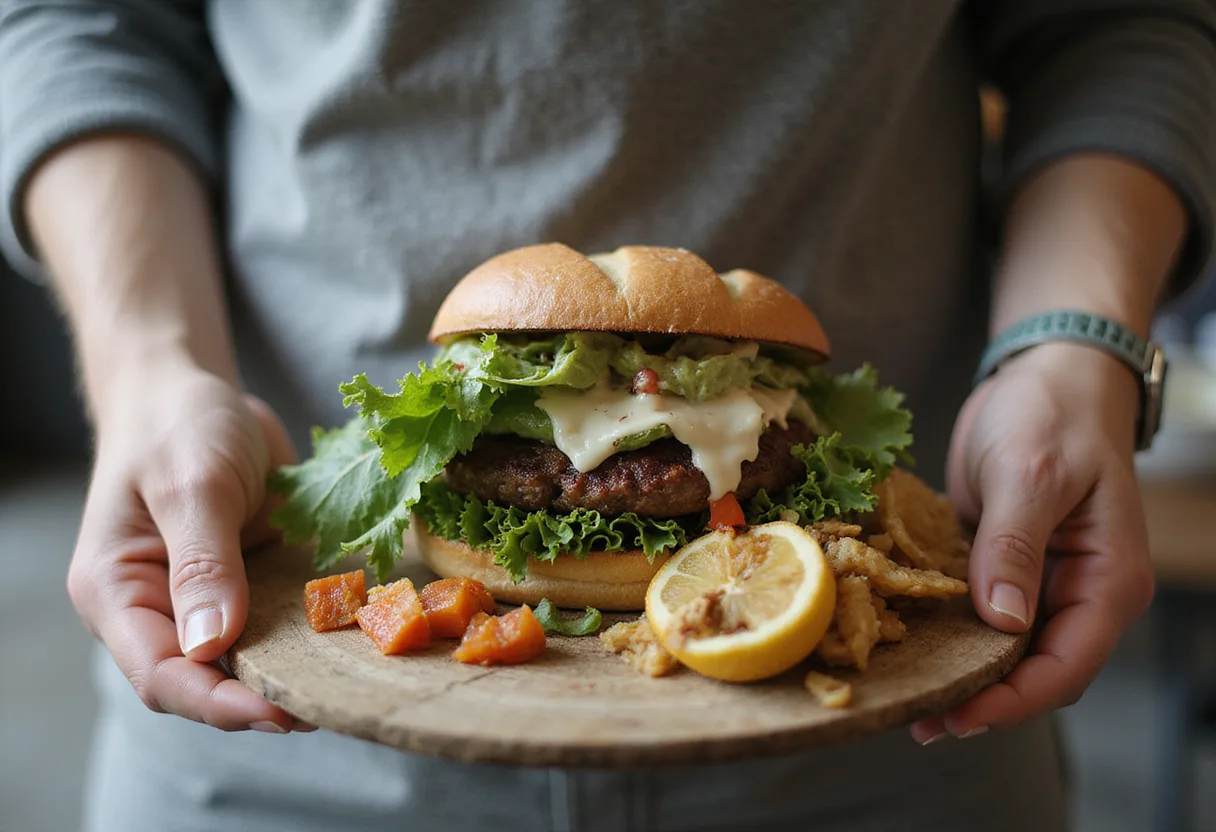
In a live test, it suggested a "Loaded Chicken Garden Bowl" — a name that does not exist on Sweetgreen's actual menu — with romaine and kale, roasted chicken, cucumbers, carrots, tomatoes, cabbage, broccoli and pickled onions, finished with lime and Lime Cilantro Jalapeno sauce on the side, with the advice to "use lightly." The chatbot estimated 350 to 450 calories and 25 to 30 grams of protein. It also displayed an advertisement for a gluten-free wrap from Twentyonegrains, an unrelated website, alongside the recommendation.
That invented bowl name is the caveat worth watching. The nutrition math may be sound, but the AI is composing orders from ingredient data, not reading a menu as a human would. Sweetgreen has not said how it will police naming inconsistencies or whether recommendations will always map to buildable orders.
Who asked for this?
Sweetgreen is positioning itself ahead of a measurable shift. Wouleta Ayele, the chain's chief technology officer, framed the move as a change in consumer behavior rather than a technology stunt.
"We're seeing a real shift from searching to delegating. People now hand an AI agent a goal, like a dairy-free dinner or lunch that fits their training plan, and expect it to come back with the right recommendation," Ayele said in a statement. "That only works if the agent has ingredient information it can trust. So we've made our menu machine-readable, with every ingredient, allergen and price accurate down to the individual restaurant."
The demand-side numbers back the bet, at least among younger adults. Roughly six in 10 Millennial and Gen Z consumers say they would place an order with an AI-generated bot, according to the National Restaurant Association.
How does this fit the wider agentic push?
Most restaurant-AI activity so far has targeted discovery, not ordering. Google Maps announced a partnership with Square, Toast and Uber earlier this year that lets consumers find restaurants through the Gemini platform. Earlier this month, Gett Technologies Inc. launched First Party Everywhere, a direct-to-merchant ordering network built to, in the company's words, "bring restaurants into the agentic commerce era" by steering consumers to first-party ordering channels.
Sweetgreen's play combines both. The AI surfaces and specifies the order; the transaction stays first-party. That structure protects the chain's payment data, loyalty economics and margin on each order — the same reasons operators have spent years pushing diners off third-party delivery apps.
CEO and Co-Founder Jonathan Neman tied the launch to the company's founding logic. "I want Sweetgreen to be accessible wherever our customers are, with an experience that feels personal to each of them," he said in a statement. "Bringing people to Claude and ChatGPT gives people a new way to discover meals built around their tastes, dietary preferences and goals."
Sweetgreen ran a similar experiment last year, launching a calculator that let diners work out protein and other nutrient content across the menu. The chain has not disclosed what share of orders it expects AI-assisted discovery to drive, or what the integration cost — the two numbers that will decide whether competitors follow.
More from Marcus Bennett
Show full bio
Market editor covering technology and product news in Restaurant and hotel operations at The Pass Brief.
798 articles