Sushi Ii Becomes Sushi Suhama, Reworks Omakase Into Three Courses
Newport Beach's Sushi Ii is now Sushi Suhama, with a Sugimoto-chosen name, a seascape in the dining room and three new omakase formats built for choice.
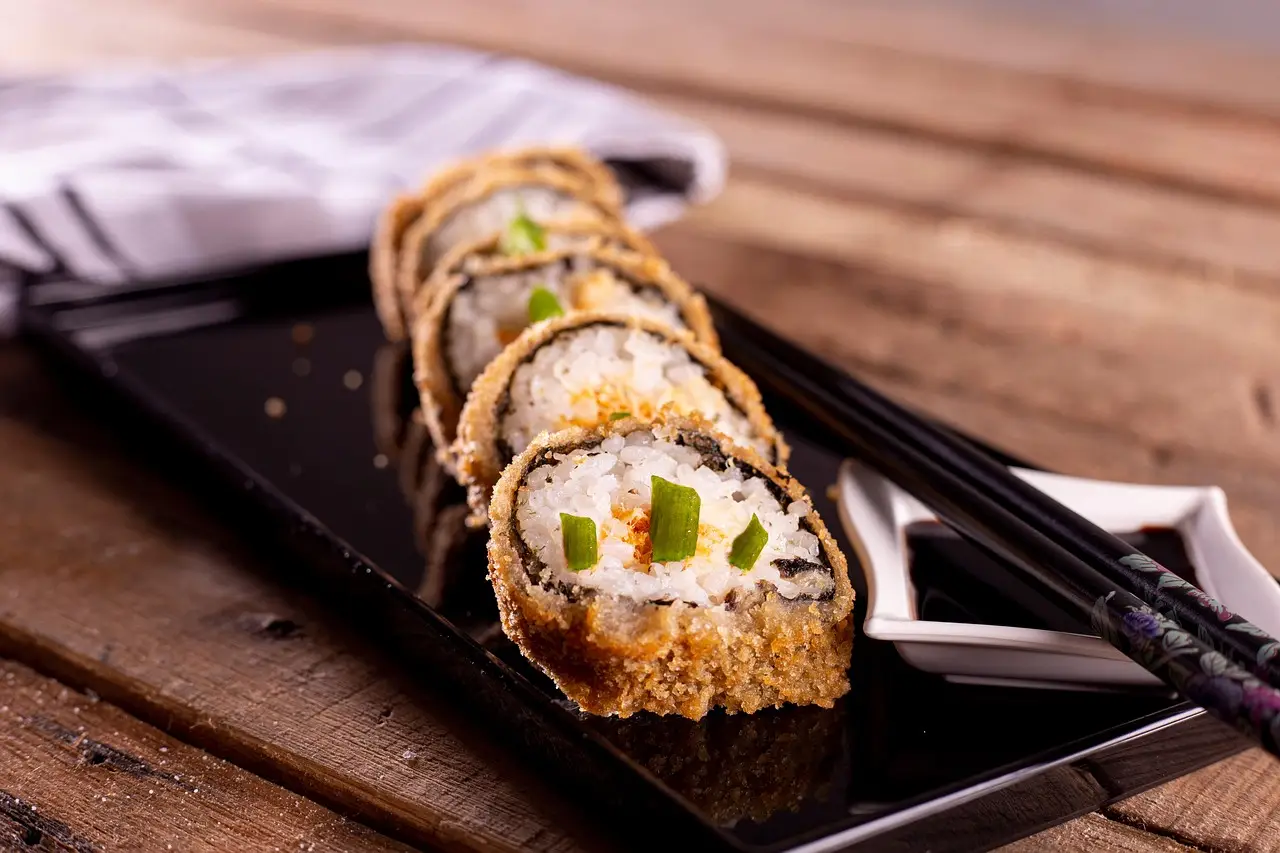
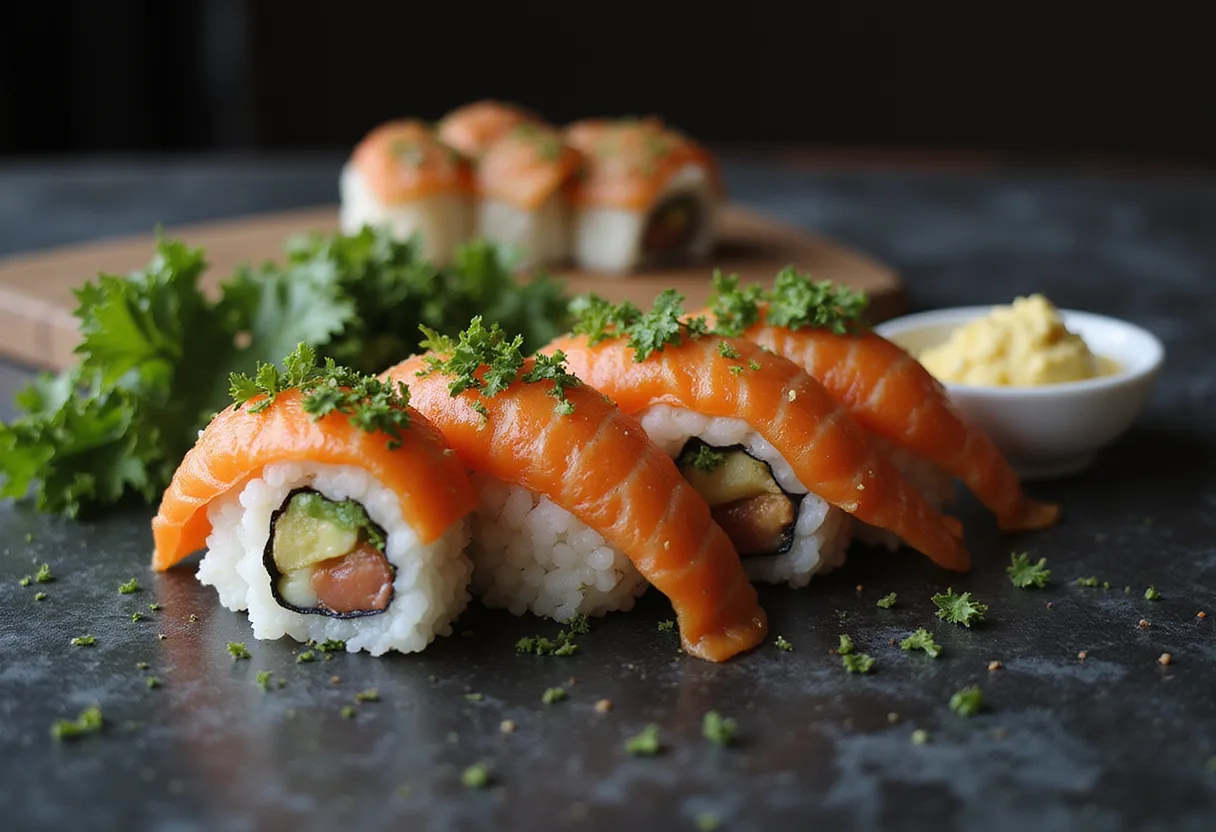
Sushi Ii, a six-time MICHELIN Guide-recognized restaurant on Newport Beach's Mariner's Mile, has changed its name to Sushi Suhama and rebuilt its omakase program into three distinct tasting formats.
The rename isn't a change of ownership or a menu teardown. The kitchen team, the intimate counter setting and the seasonal sourcing philosophy all carry over. What changes is the packaging — of the brand and of the guest's choice at the counter.
Renowned Japanese artist Hiroshi Sugimoto selected the name. Suhama is an ancient Japanese term for a picturesque shoreline, a nod to both the restaurant's cultural roots and the coastal stretch it has occupied since opening. One of Sugimoto's celebrated seascapes will hang in the space, tying the rebrand to the artist's own meditation on sea and horizon.
"Suhama felt meaningful because it gives the restaurant a sense of place. This is still the restaurant our guests know, but the new name gives us an opportunity to express more clearly who we are today and where we are going, while remaining true to what has always defined the experience," said Director Natsuko Travioli.
What does the rebrand change for the guest?
The practical shift is in menu architecture. Sushi Suhama now offers three omakase paths instead of a single progression:
- Sai Kaiseki Course — the most expansive walk through traditional Japanese multi-course dining.
- Ran Signature Course — a new format balancing composed seasonal dishes with a heavier sushi emphasis.
- Mio Sushi Course — the most sushi-forward option, built around nigiri.
That tiering reads like straightforward menu engineering for a high-touch format: it lets the restaurant segment guests by appetite and price tolerance without fragmenting the kitchen. All three menus continue to rotate with seasonal ingredient availability.
The team behind the evolution
Culinary leadership stays intact. Chef Norio Izawa, trained in kaiseki kitchens in Tokyo and Kanazawa with stints at Nobu New York and Bluefin in Newport Beach, heads the kaiseki program. Chef Koji Takahashi, with the restaurant since opening and nearly four decades of experience, runs sushi. Chef Tatsushi Wakabayashi, who joined about a year ago after time at Nobu, Ikko and Oshima, works alongside him.
The rebrand extends past the menu into the physical details — ceramics chosen for each presentation, the counter format, the deliberate pacing of service — all rooted in the Japanese idea that hospitality lives in attention to detail.
For a restaurant that has refined itself steadily since opening, the new name marks a continuation rather than a reset. The Michelin recognition carries into this chapter, and the kitchen's discipline remains the product; Suhama just gives it a clearer label.
More from Daniel Okafor
Show full bio
Correspondent covering companies, deals and strategy in Restaurant and hotel operations at The Pass Brief.
502 articles