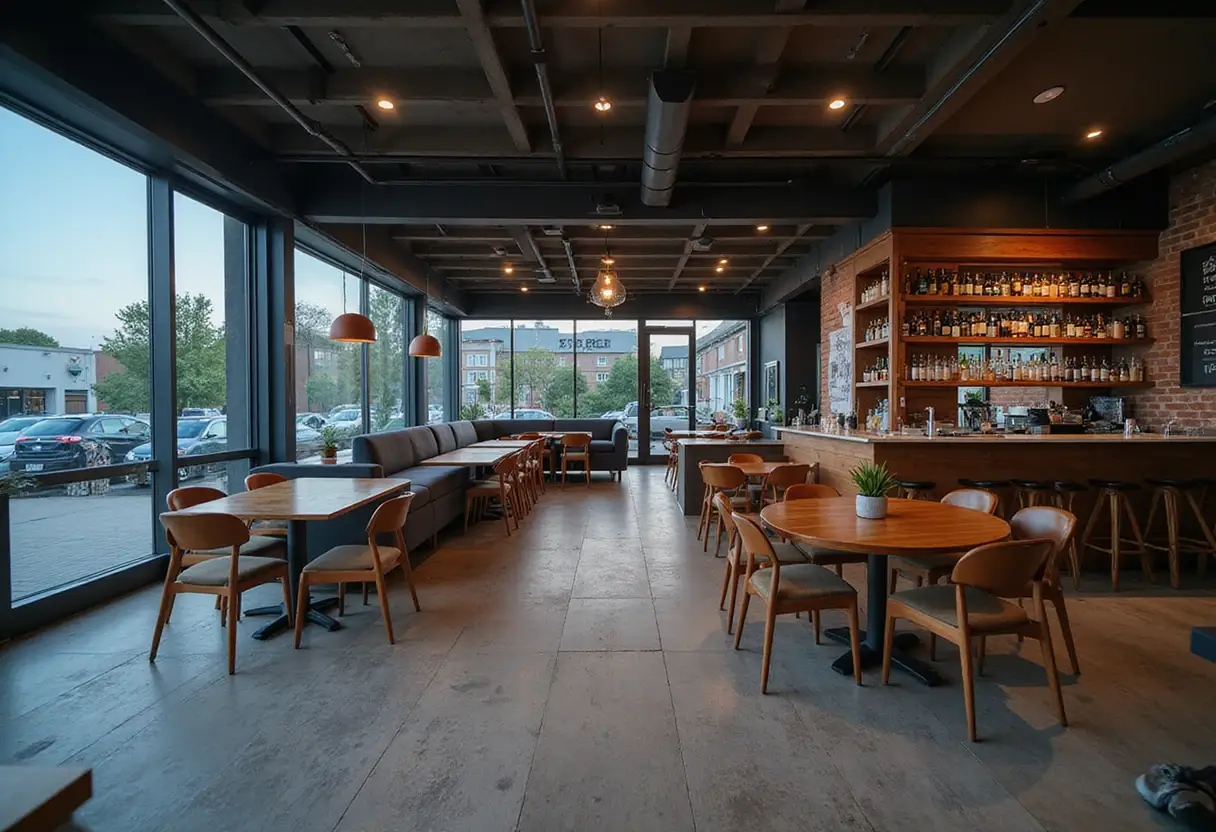
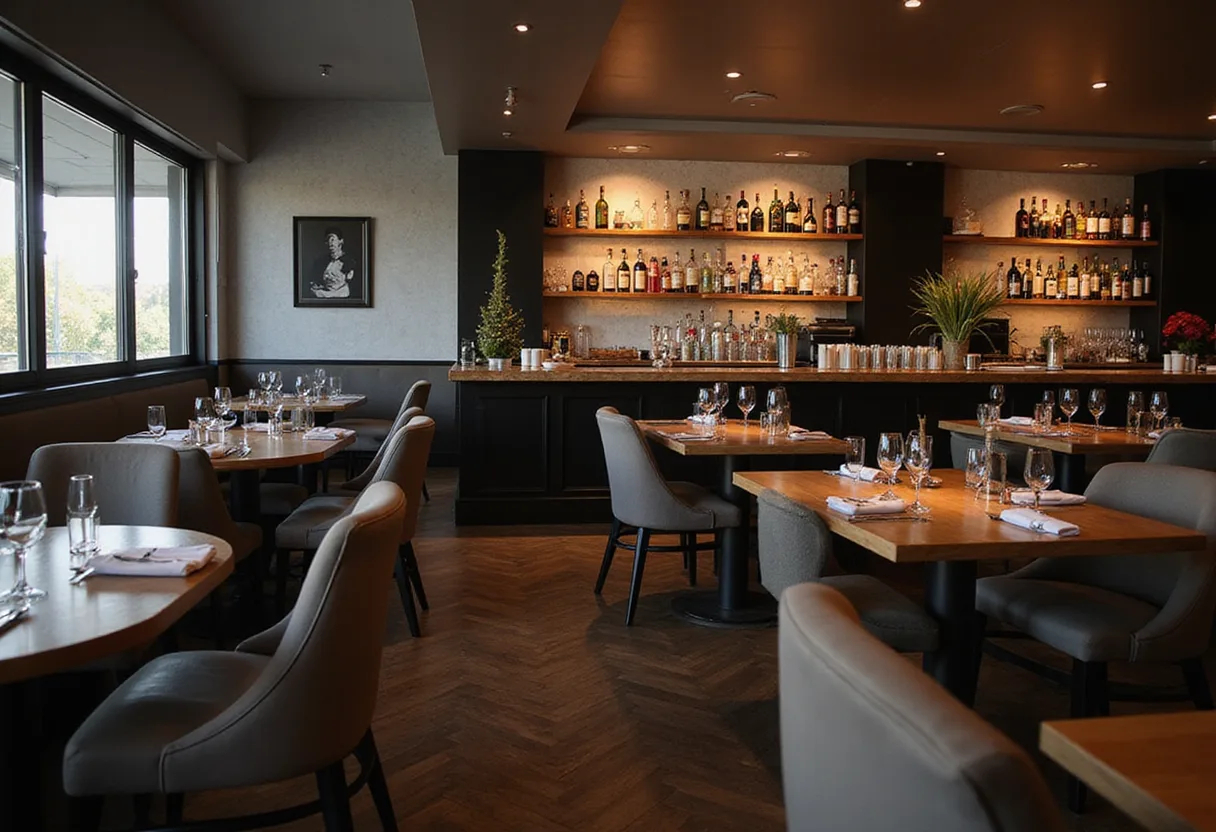
Stokehouse opens in St Kilda with a seafood-led Trader House reset
Stokehouse is open seven days a week in St Kilda under Trader House Group, with a reworked European and Australian seafood menu, retained classics and curated wine and cocktail programs.
By Olivia Hart
Stokehouse now serves lunch and dinner seven days a week in Melbourne’s St Kilda. It has officially welcomed its first guests since joining Andrew McConnell and Jo McGann’s Trader House Group. The seven-day schedule is the clearest operating commitment in the announcement.
The announcement calls Stokehouse an iconic Melbourne restaurant and the pair’s latest venue. McConnell and McGann are also behind four restaurants—Gimlet, Supernormal, Morning Market and Apollo Inn—that the announcement describes as among the city’s most treasured and popular eateries. The St Kilda room therefore sits within a broader Melbourne dining group rather than a standalone relaunch.
“We want Stokehouse to feel special without feeling too formal,” Jo McGann said. “There’s a little luxury in being completely comfortable, in knowing you’re being looked after without having to ask.”
What changes for diners at Stokehouse?
For diners, the practical change is a reworked menu and a comfort-focused service tone within the existing restaurant. McConnell reworked the menu with Chef Keir Ballantyne and Group Development Chef Colin Mainds. The trio built the offering around classic European cooking and Australian seafood, with sourcing and technique central to the proposition.
“The food I love to cook has always been the food I love to eat,” Andrew McConnell said. He described the brief as exceptional produce, a leaning toward seafood, bold flavors and thoughtful combinations.
He said the food and produce should speak for themselves, adding: “No unnecessary flourishes or pomp and ceremony.” His stated standard is confident, uncomplicated cooking built around quality.
The menu gives seafood substantial placement while retaining Stokehouse classics. Among the named dishes are:
- Royal red prawn tart.
- Tuna tartare prepared tableside.
- John Dory and gurnard with strawberry clams.
- Duck with mustard greens and grilled grapes.
- Butterflied King George whiting.
- Grass-fed Gippsland rib-eye.
The butterflied whiting and Gippsland rib-eye provide continuity with the restaurant’s prior menu. The prawn tart, tuna tartare and fish-and-clam dish broaden the seafood range, while duck provides a meat-led alternative beyond it.
The sourcing emphasis also gives the menu a clear product brief: exceptional produce, Australian seafood and classic European techniques are the stated priorities. It makes ingredient selection central to the reset, even though the announcement does not quantify what those ingredients cost.
That structure has clear operating logic, but the announcement leaves its economics open. It does not disclose dish prices, an opening-week check average, food-cost ratios, wages or a labor percentage. It therefore identifies the kitchen’s priorities while leaving the effect on margins and average guest spend unquantified.
Head Sommelier Wil Martin curates a wine list featuring Australian producers throughout much of it. He also selected wines from smaller producers in Hungary and Slovenia, broadening the list beyond the Australian base. The sourcing mix gives diners an Australian foundation with a European extension.
Lachlan Bentley put together the cocktail list, whose highlighted serves include a vodka French martini with pineapple and raspberry and a Bone Dry martini made with French gin distilled from apple cider. Those details extend the menu’s produce-and-technique logic into the drinks program. The announcement gives no prices for either serve.
Stokehouse’s operating proposition now combines an all-week schedule with a comfort-led room and a menu anchored in familiar classics and Australian seafood. That combination could broaden lunch traffic as well as dinner demand, although the announcement provides no customer-mix or seasonality data to test the idea.
The first guests have arrived; the commercial test is whether the reset produces repeat visits at a check that supports the group’s margins. For now, the announcement supports a clear menu-and-service reset, but not a commercial verdict.
Going forward, average checks, food-cost ratios and labor efficiency will determine whether the menu-and-service reset works as a business, not simply as a new list of dishes. Stokehouse’s seven-day lunch-and-dinner schedule now provides the first operating test of that proposition.
More from Olivia Hart
Show full bio
Staff writer covering regulation, policy and their impact on Restaurant and hotel operations at The Pass Brief.
597 articles