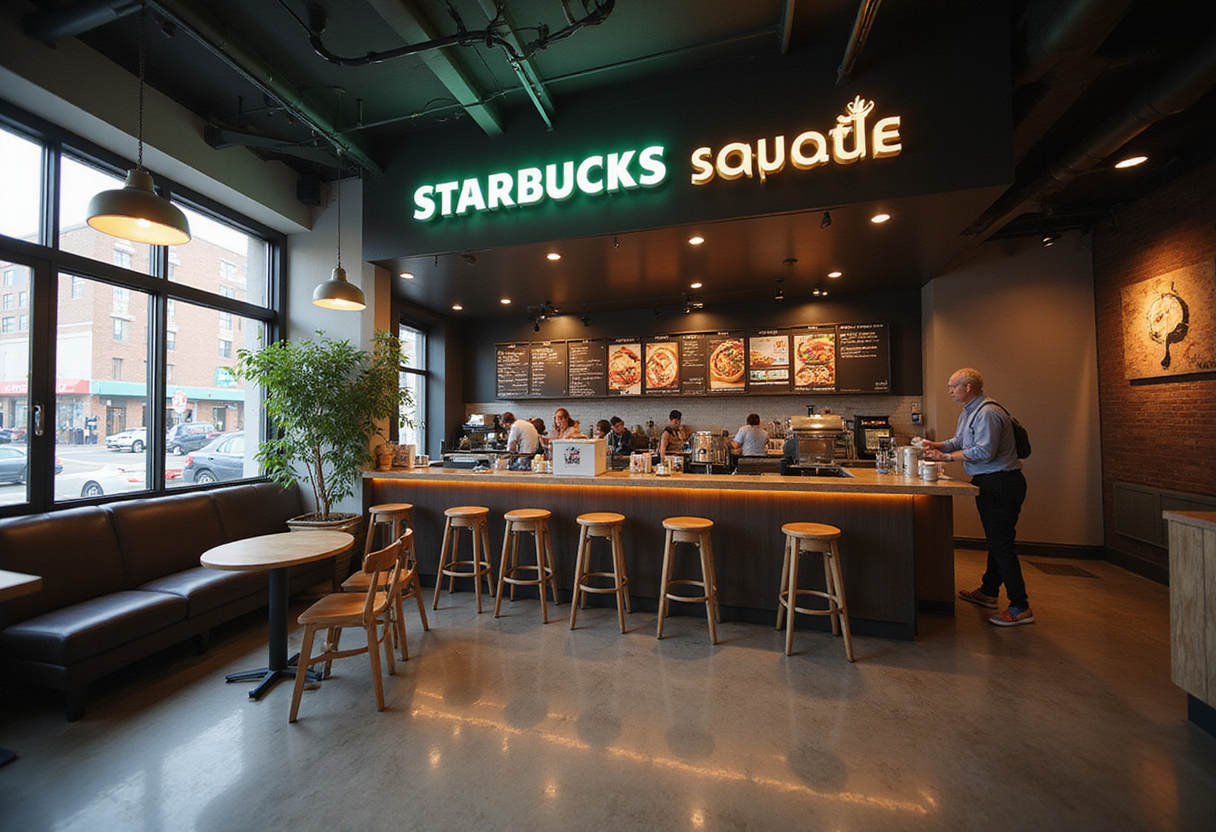
Starbucks Technology to Open Chennai Hub in Fiscal 2027
Starbucks will open a technology hub in Chennai in FY2027, shifting more global tech work in-house from third-party vendors and adding a captive center in one of India's largest IT labor markets.
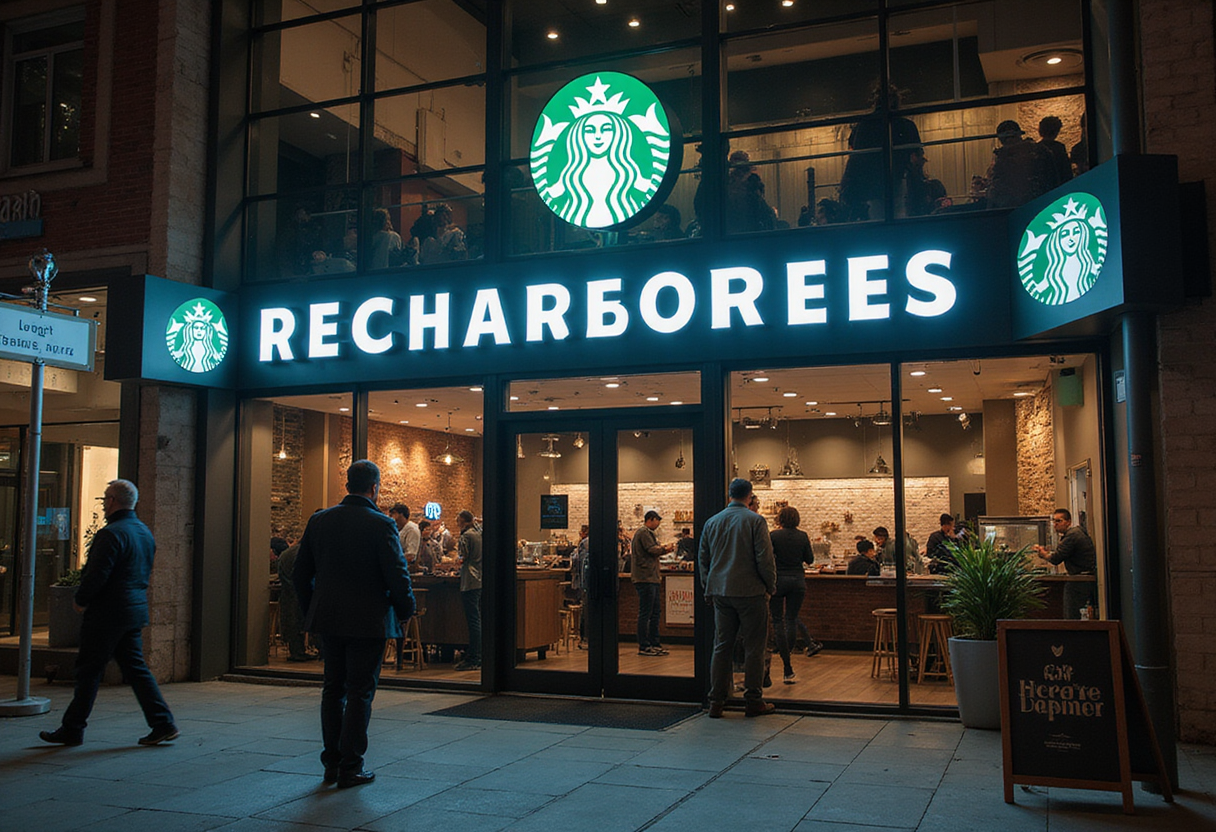
Starbucks will open a new technology hub in Chennai, India in fiscal year 2027, the company confirmed this month, with the facility designed to support the chain's global business and move more technology work from third-party service providers to internal teams.
The announcement frames the shift as deliberate. "This is an important milestone in how we continue to build a more flexible and globally connected Technology organization," a Starbucks Technology spokesperson said in the September announcement.
What does the Chennai hub change?
The strategic question for the company's existing third-party vendors is what work the new site will absorb first, and on what timeline. Starbucks did not specify the size of the initial Chennai team, the capital outlay, or which vendor relationships it is targeting for in-housing.
For a global coffee chain with thousands of stores and millions of daily digital interactions, the move lets Starbucks bring more of its operational technology under direct internal management. The cost arithmetic that drives such decisions is straightforward: internal teams carry fixed labor cost and management overhead, while outsourced relationships price work on a variable, project-by-project basis. The trade is control, road-map speed, and lower marginal cost at scale.
Why Chennai, and why in-house now
Chennai sits inside one of the most developed information-technology labor markets in India, with a deep base of software engineers, product managers, and data specialists. The city's position as an established IT services hub has made it a common site for captive technology centers operated by global consumer and financial brands.
The timing reflects a broader pattern across large restaurant and retail operators over the past decade. Technology outsourcing arrangements signed in the 2000s and early 2010s optimized for headcount savings; the in-house wave that has followed typically prioritizes control over product roadmaps, data residency, and iteration speed on point-of-sale, mobile, and supply-chain systems.
What this means for vendors and for the existing workforce
For the third-party vendors currently supporting Starbucks' technology work, the announcement marks the start of a multi-year transition rather than an immediate contract event. Captive centers absorb work that would otherwise have gone to outside firms; the announcement specifically frames the Chennai hub as enabling more in-house capacity, not as a reduction of existing internal teams.
Procurement timelines for transitions of this kind historically run 18 to 36 months, which puts the fiscal 2027 opening date as a buildout target rather than an immediate cutover.
What to watch over the next four quarters
Three numbers will tell readers whether the program is on track: the headcount Starbucks discloses for the Chennai site, the wage bands it sets relative to comparable U.S. roles, and the change in third-party technology vendor line items on its annual operating expense disclosures.
The fiscal 2027 opening date leaves the company roughly 12 to 18 months of buildout from announcement. The first reporting cycle after a permanent site is selected will be the earliest credible read on whether the in-house shift delivers the unit economics the program was built to achieve.
More from Elena Vasquez
Show full bio
News editor covering people, launches and day-to-day practice in Restaurant and hotel operations at The Pass Brief.
335 articles