Sonesta Launches F1RST Meetings Collection With 25 Hotels
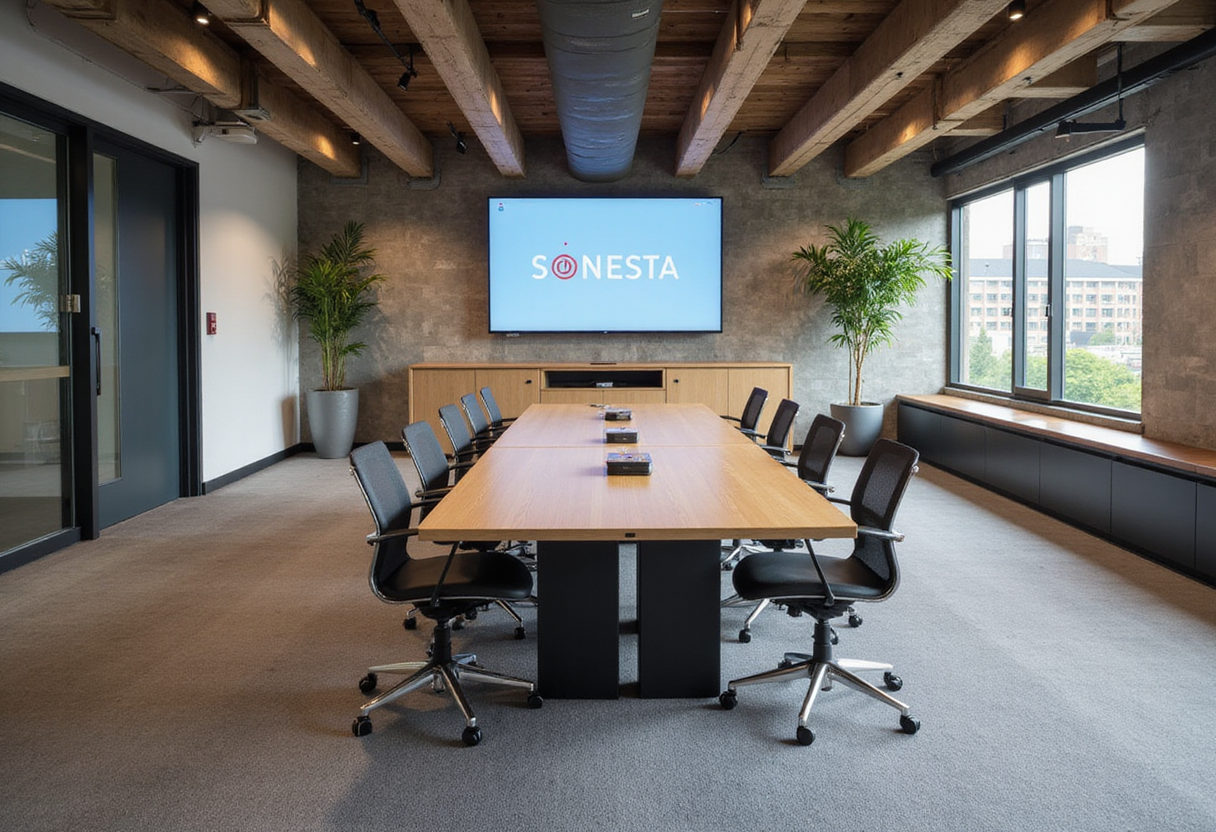
Sonesta's new F1RST Meetings Collection spans 25 U.S. and Canadian hotels with 500,000 square feet of event space, targeting what the company calls the underserved middle market.
Sonesta has assembled a 25-hotel meetings-focused collection spanning the U.S. and Canada, with a combined 500,000 square feet of event space aimed at what the company calls "the underserved middle market."
The new Sonesta F1RST Meetings Collection bundles full-service properties into a single group-sales proposition. The scale matters: 500,000 square feet across 25 hotels works out to roughly 20,000 square feet of event space per property — mid-sized inventory by big-brand standards, but exactly the footprint midmarket meeting planners struggle to find.
What does the middle market actually mean here?
When Sonesta says "underserved middle market," it's pointing at a specific gap. Large convention hotels chase citywide events and associations. Limited-service hotels skip group business almost entirely. In between sits a demand base — regional corporate meetings, training sessions, small conferences — that needs dedicated event space, catering and AV, but doesn't need a 100,000-square-foot ballroom complex.
That segment is volume business. It books on relationships and ease of search, which is precisely what a named collection is built to solve. A planner shopping 25 hotels under one meetings banner gets one contracting framework, one sales entry point and a consistent service promise, rather than negotiating property by property.
Why collections beat standalone flags in group sales
The mechanics are straightforward. Group business is sold through intermediaries — third-party planners, corporate travel desks, association bookers — who need to compare inventory fast. A branded collection makes 25 hotels visible as a single line item in that search. Standalone midmarket hotels, by contrast, are invisible unless a planner already knows them.
The collection structure also lets Sonesta concentrate its event-space pitch: the half-million-square-foot figure becomes a headline number the sales team can market nationally, even though no single site holds anywhere near that total.
What does this change for meeting planners?
For planners in the U.S. and Canada, the practical gain is optionality. A 25-property footprint means a regional meeting series can rotate across markets without changing vendors or contract terms. For Sonesta, the bet is that midmarket group demand — steady, repeatable, less exposed to the boom-bust cycle of citywide conventions — will fill ballrooms and banquet rooms that full-service hotels otherwise have to discount into the local social market.
The launch also signals where Sonesta sees its growth edge. Rather than competing head-on with the largest meetings brands for mega-events, the company is consolidating the mid-tier and pricing its pitch around availability and access.
Whether F1RST scales beyond its initial 25 hotels will depend on whether that midmarket demand holds its post-pandemic shape — and whether planners respond to a collection pitch the way they've historically responded to big-brand meetings programs.
More from Olivia Hart
Show full bio
Staff writer covering regulation, policy and their impact on Restaurant and hotel operations at The Pass Brief.
357 articles