Smoothie King and 7 Brew: Automate the Task, Not the Moment
Smoothie King's CIO and 7 Brew's CTO told FSTEC 2026 that automation belongs in bookkeeping, inventory prediction and overnight POS processes — not in guest touchpoints.
Smoothie King Chief Information Officer Jyoti Lynch drew a hard line between back-of-house automation and guest-facing service at the 2026 FSTEC conference in Dallas, Texas: automate the operational tasks, never the human moments that define the brand.
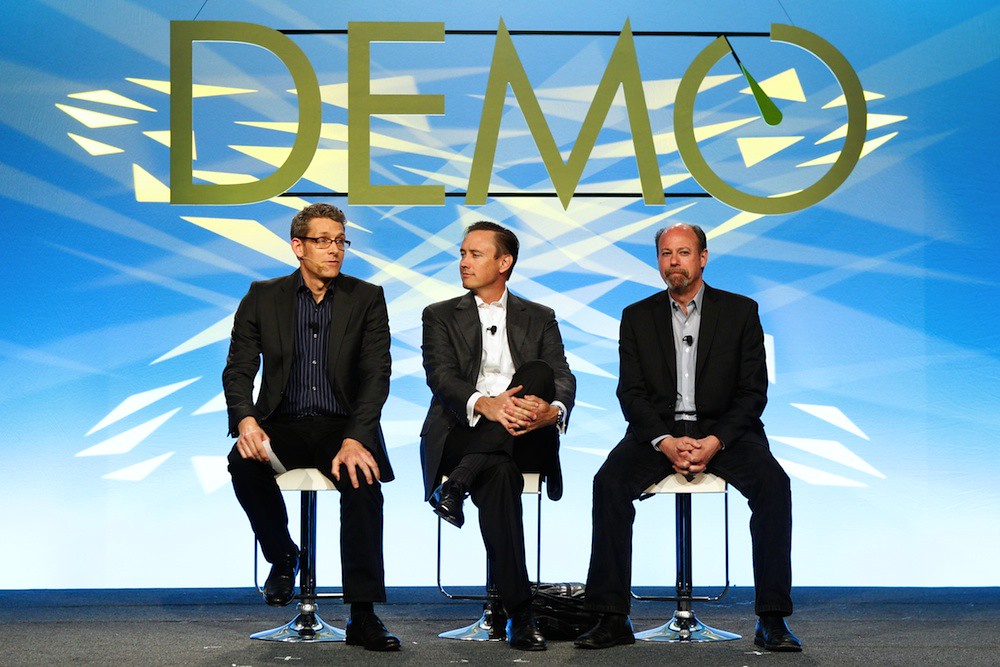
"Automate the task, not the moment," Lynch said during the New Architects of Foodservice Technology closing session, presented by the Women's Foodservice Forum and moderated by WFF Chief Brand Officer Ellie Doty. The panel also featured Danyel Bischof-Forsyth, chief technology officer of the rapidly growing drive-thru coffee chain 7 Brew.
The session's central principle: automation should run invisibly in the background, removing friction for employees without intruding on hospitality.
Drawing the line
Lynch spelled out where that line sits for Smoothie King. "People can show up in the digital channels, the drive-thru or the store, and you don't want to automate any of that because those are your personal touchpoints with guests," she said. "But everything behind that to make their jobs easier is where automation comes in."
She offered a concrete franchisee scenario. If the point-of-sale system's end-of-day process fails to complete overnight, stores cannot process sales the next morning, creating immediate operational chaos the moment team members walk in the door. Smoothie King has automated that process to run in the background while the store is closed, so staff open the next day to a fully functional system rather than a troubleshooting session.
Not all of the chain's automation sits behind the wall, however. Lynch pointed to technology that can recognize loyalty members as they enter the store and alert team members — a use case that supports the human interaction rather than replacing it.
"We want to leverage technology to make their lives easier," she said.
7 Brew's app calculus
7 Brew applies the same calculus to its technology investments. The drive-thru coffee chain recently launched its first app, and Bischof-Forsyth stressed that the app had to be additive to the friendly service the brand is known for — not a substitute for it.
"The app gives you time in your own home or car to navigate the surprises and offers before you even get there," she said. "It's all about allowing you to do some things even before you get there to allow more time to engage with our baristas."
The app rollout also created an unplanned point of connection between customers and employees: technology troubleshooting. 7 Brew trained all of its baristas on the app so they could assist customers who came through with questions, turning a potential friction point into another service touch.
The bulk of Bischof-Forsyth's automation focus, though, targets back-of-house work that guests never see. "There's a lot we can automate, and where we see great business value is bookkeeping and inventory predictions," she said. "It is not going to replace the interaction. That's non-negotiable."
Bookkeeping and inventory prediction are classic candidates for background automation: repetitive, data-heavy processes that consume managerial hours without adding anything to the guest experience. Automating them shifts labor from administrative work toward the service moments both executives argue are the actual product.
A theme with staying power
The balance between technology and hospitality ran through the FSTEC program, with technology leaders consistently returning to the same framing — automation works best when guests and frontline employees barely notice it. The panel's argument suggests the next wave of restaurant technology investment will concentrate on overnight system processes, inventory forecasting and financial bookkeeping, while kiosks, apps and loyalty tools are evaluated on whether they free up time for human engagement rather than simply cutting labor.
For two chains that compete heavily on service speed and repeat visits, that distinction between task and moment is likely to shape how the next budget cycle gets spent.
More from Daniel Okafor
Show full bio
Correspondent covering consumer brands and retail at The Pass Brief.
28 articles