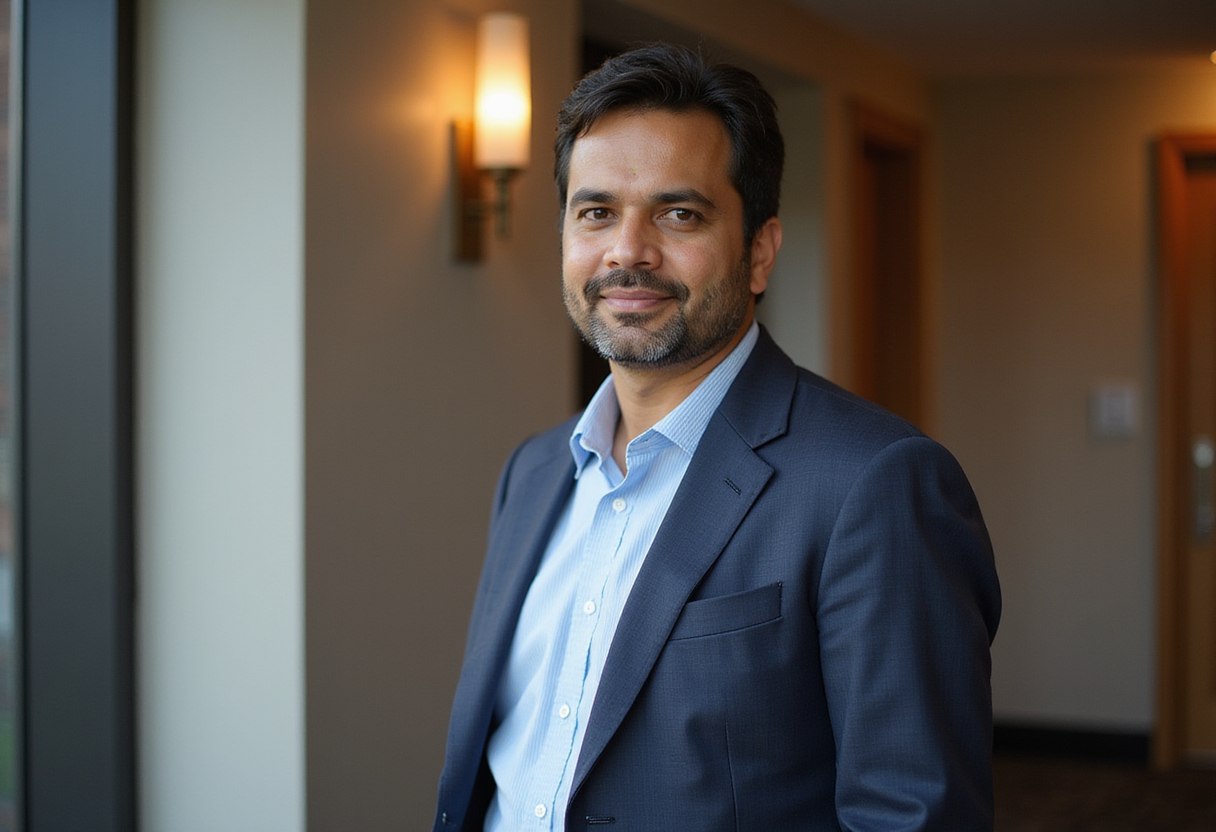
Shekhar Mukherjee takes executive director seat at NIPS Institute of Hotel Management
Shekhar Mukherjee has been named executive director of NIPS Institute of Hotel Management, taking the top operational and academic seat at one of India's privately held hotel schools.
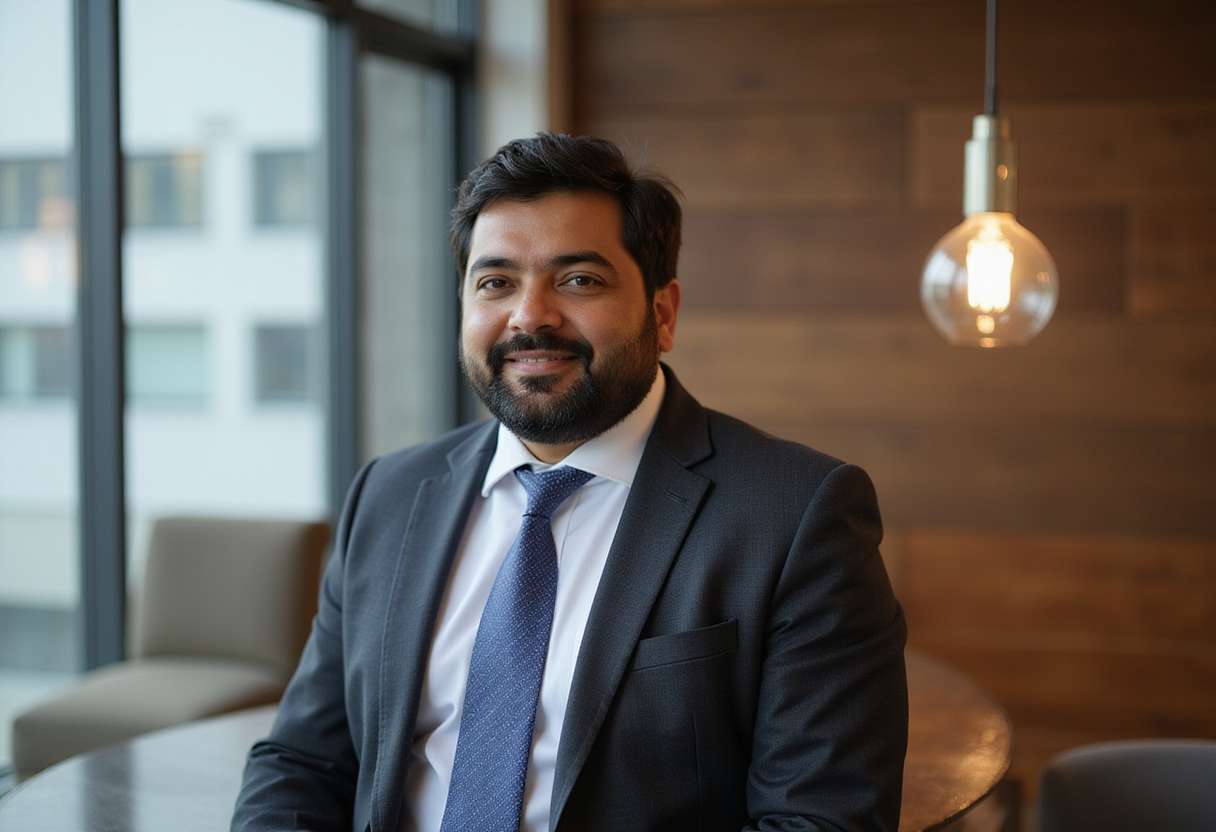
Shekhar Mukherjee has been named executive director of NIPS Institute of Hotel Management, taking the top operational and academic seat at one of India's privately held hotel-management schools.
The appointment, announced via ET HospitalityWorld, lands Mukherjee at the head of an institute whose graduates feed directly into the country's front-of-house and back-of-house pipelines. NIPS did not disclose salary, prior role, or a start date in the brief announcement.
What does the executive director role actually run?
At a hotel-management institute, the executive director post typically owns three budgets at once: tuition revenue, campus hospitality operations (kitchens, training restaurants, mock front desks), and placement partnerships with hotel chains. Whoever sits in that chair sets the curriculum weighting between, say, F&B cost control and revenue management — a decision that ultimately determines whether graduates show up on a property's P&L as productive line cooks and duty managers or need another six months of floor training.
That calculus matters because India's hotel-school market runs on placement volume. Operators hire by the dozens from accredited institutes; chains like Taj, Oberoi, Marriott, ITC, and Lemon Tree have well-worn campus-recruit circuits that depend on schools producing job-ready graduates. A new executive director reshuffles those relationships.
What signals should operators watch?
Three near-term indicators will tell operators whether the Mukherjee appointment shifts the institute's commercial posture:
- Curriculum refresh dates. Watch for syllabus updates tied to current PMS platforms (Opera, Cloudbeds, Mews) and POS systems used on property.
- Placement partnership announcements. New tie-ups with mid-scale and luxury operators signal where the school wants its brand positioned.
- Faculty hires from operating hotels. A surge of industry-side recruits moving into teaching roles usually follows a leadership overhaul within one academic year.
Why the timing matters
India's hospitality industry continues to absorb trained managers faster than institutes produce them. Occupancy recovery, new-build pipelines in tier-2 cities, and the steady expansion of branded service apartments have stretched the talent funnel. An executive-directorship change at an established institute is, in effect, a recalibration of one node in that funnel — modest in isolation, meaningful in aggregate.
For operators, the practical question is straightforward: does a new ED at a partner school change anything about hiring costs, training depth, or graduate readiness on Day 1 of a job? Usually no, not immediately. The first placement season under the new leadership, however, is when those questions get answered in dollar terms — through reduced onboarding hours, faster tip-card accreditation, or sharper menu-engineering instincts in junior hires.
What comes next
Mukherjee's first hundred days will likely produce the signal everyone watches. Expect a curriculum statement, a partner-operator meeting circuit, and a visible push on placement statistics — the three metrics NIPS and its peer institutes trade on when courting both students and recruiters. The shape of those announcements will tell the industry whether the new leadership is repositioning the institute upmarket, doubling down on volume, or pivoting toward a specialty niche like culinary arts or revenue management.
More from Daniel Okafor
Show full bio
Correspondent covering companies, deals and strategy in Restaurant and hotel operations at The Pass Brief.
395 articles