Shangri-La Prices CNH1.02 Billion Dim Sum Bond at 2.70%
Shangri-La Asia priced its first offshore Renminbi bond at CNH1.02 billion, seven years, 2.70% coupon — extending its funding reach beyond onshore Panda Bonds.
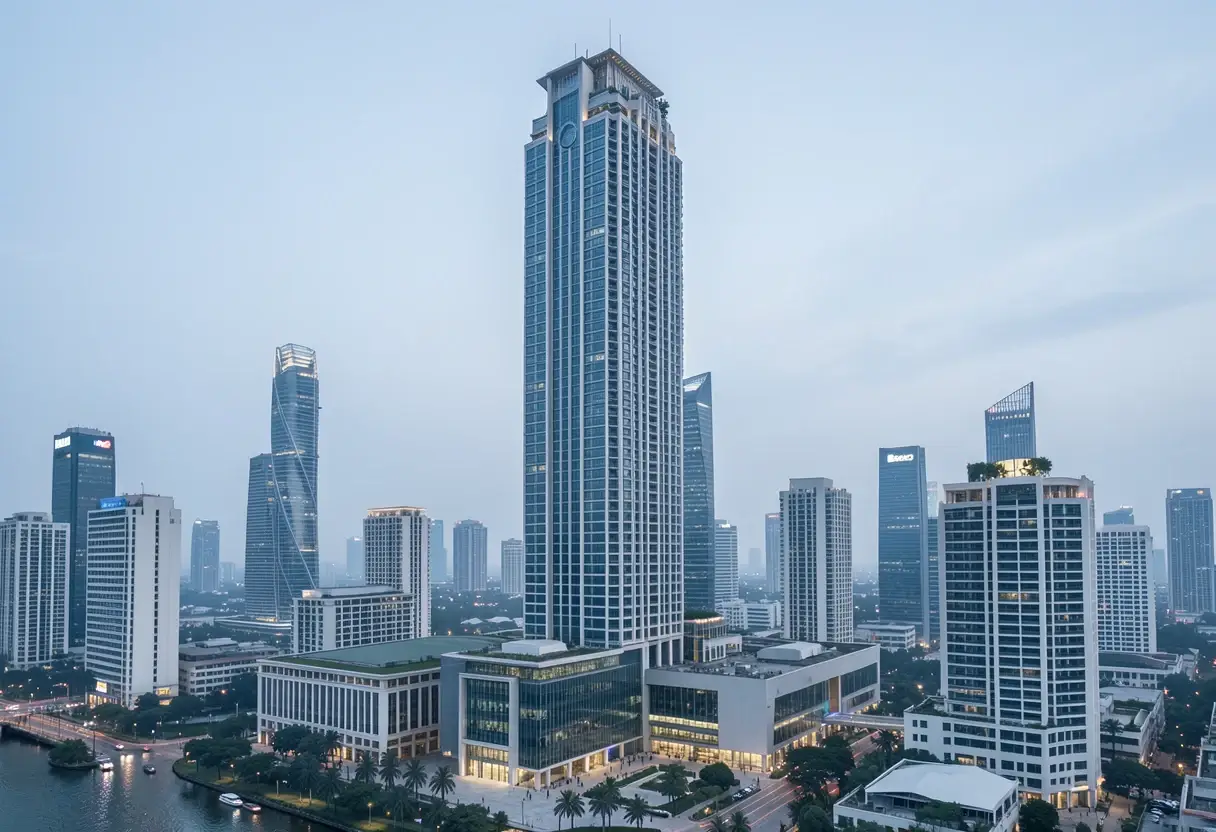
Shangri-La Asia has issued its first offshore Renminbi bond: a CNH1.02 billion, seven-year Dim Sum Bond carrying a 2.70% annual coupon, priced 29 October and settled 9 November. DBS Bank and United Overseas Bank acted as Joint Dealers on the private placement, announced 10 November.
The Hong Kong-listed operator (HKEX: 00069; SGX: S07) already knows the Renminbi market. It has completed prior Panda Bond issuances onshore. What the new deal adds is offshore reach, and something else the group's CFO frames as strategic: duration.
Why a hotel group wants seven-year money
"We are pleased to complete our inaugural 7-year Dim Sum Bond issuance," said Nee Chuan Teo, Chief Financial Officer and Executive Director of Shangri-La. "Building on our experience in the onshore Panda Bond market, this transaction expands our Renminbi funding capabilities into the offshore bond market and further lengthens the maturity profile of the Group's Renminbi bond issuances."
That last point carries real weight for a capital-heavy hotel owner. Seven years runs past the customary tenor of Shangri-La's bank borrowings and its Panda bonds. Longer-dated funding means less refinancing risk sitting on the balance sheet while the group manages a substantial development pipeline.
Net proceeds go to general corporate purposes, including refinancing existing indebtedness — effectively swapping or rolling obligations at a 2.70% coupon in a currency the group earns and spends heavily in, given its Asia-centric portfolio.
What does this change for Shangri-La's funding platform?
Three things, per the announcement:
- Diversification. The group can now tap Renminbi funding in both onshore and offshore markets rather than one.
- Flexibility. A broader funding base strengthens the overall platform, giving treasurers options when pricing shifts between markets.
- Tenor. Long-dated money beyond customary bank and Panda bond maturities.
The bankers see a wider story too. Cindy Kwan, Managing Director and Head of Investment Banking Coverage and Fixed Income, Greater China, at DBS — which previously led Shangri-La's Panda Bond deals as Joint Lead Underwriter — said the transaction "reflects the continued development of CNH financing opportunities for high-quality corporate issuers."
Samuel Tan, Head of Group Investment Banking at UOB, pointed to how offshore Renminbi financing "can complement a diversified funding strategy and provide corporates with greater choice in accessing capital," pledging UOB's regional connectivity across ASEAN and China for future capital markets work.
The issuer behind the bond
Shangri-La Group develops, owns and manages hotels plus investment properties — offices, commercial real estate and serviced apartments. It owns and/or manages more than 100 hotels across 78 destinations under four brands: Shangri-La, Kerry, JEN and Traders.
Its development pipeline concentrates on Australia, the Chinese mainland, Cambodia and Japan. For an operator pushing that much construction, cheap seven-year Renminbi funding is a direct input into project economics — it lowers carry costs on debt that finances building.
Teo said the placement "reflects investors' strong recognition of Shangri-La's established business profile, financial robustness and track record," adding that the group will "continue to execute our long-term funding strategy" with its banking partners. Expect Shangri-La to keep working both sides of the Renminbi market as its Asia pipeline builds out.
More from Daniel Okafor
Show full bio
Correspondent covering companies, deals and strategy in Restaurant and hotel operations at The Pass Brief.
694 articles