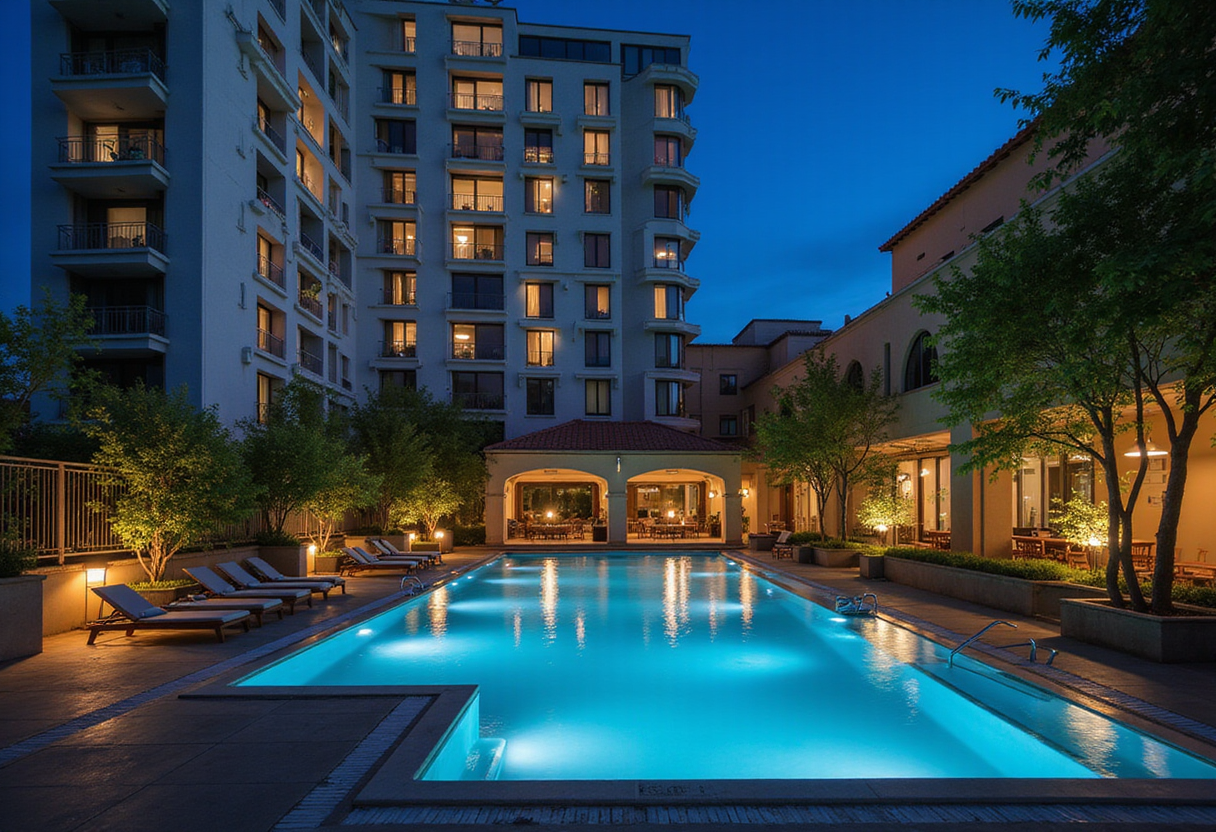
Ruby opens first French hotel as Ruby Lilou debuts in Marseille
Ruby has launched its first French hotel, the Ruby Lilou in Marseille, marking the brand's entry into France and the latest move in a steady rollout across Europe's hotel map.
Ruby has opened its first French hotel. The hospitality group launched Ruby Lilou in Marseille, marking its formal entry into the French market and the latest marker in a steady rollout across Europe's hotel map.
The Marseille debut lands the brand in France's second-largest city, a Mediterranean port with a tourism economy resting on a mix of leisure, cruise, and conference traffic that runs across most of the calendar. Operators betting on Marseille as a primary French address are choosing volume and shoulder-season reliability over premium-rate luxury demand. That distinction matters. Marseille is not Paris, and the unit economics of a mid-scale lifestyle hotel in a secondary French city run tighter than the same product would in a gateway.
Ruby Lilou carries the soft-naming convention the company uses across its portfolio — "Lilou" suggesting a more residential, design-forward product than the standard Ruby flag. The Marseille property slots into the compact-room, mid-market lane the brand has spent several years defining. Hotels in that lane compete on design and rate, not square footage. That positioning maps well to Marseille's mid-scale leisure and conference customer, who typically trades square meters for location and aesthetic.
What does the French debut change for Ruby's expansion math?
It adds a country to the operating map. The brand steps into direct competition with both domestic lifestyle flags and the boutique independents that have built credibility across French secondary cities over the last decade. France rewards operators who land at the mid-market price point with tight rooms and a clean design story — exactly the lane Ruby has built its identity around. Marseille's year-round demand mix gives the brand a stable occupancy base rather than a seasonal one, which is a critical variable for any new-country entry.
The unit economics question is sharp. A mid-scale lifestyle play in Marseille absorbs higher real estate costs only if occupancy holds through shoulder seasons. Marseille's demand mix — leisure, port, conference — supports occupancy across the calendar. That dynamic sets the city apart from a high-rate, high-volatility gateway like Paris. Operators who run multi-property portfolios watch secondary French cities for exactly this kind of demand profile.
Is Marseille a beachhead or a one-off?
That is the bigger question for competitors watching from Paris and Lyon. Hotel groups entering a new country typically open one or two flags before deciding whether to scale. Marseille could be either — a standalone entry that tests the market, or a beachhead that anchors a broader French network. The signal to watch is whether the company announces a second French address within twelve months. If yes, Marseille was a beachhead. If not, Marseille was the entire play.
For an industry that has watched Southern European gateway cities consolidate under lifestyle flags over the last decade, France is the obvious next test. Marseille, not Paris, is the entry point most operators have reached for first — and the city's mid-market positioning fits the lane Ruby has spent years building.
More from Daniel Okafor
Show full bio
Correspondent covering companies, deals and strategy in Restaurant and hotel operations at The Pass Brief.
349 articles