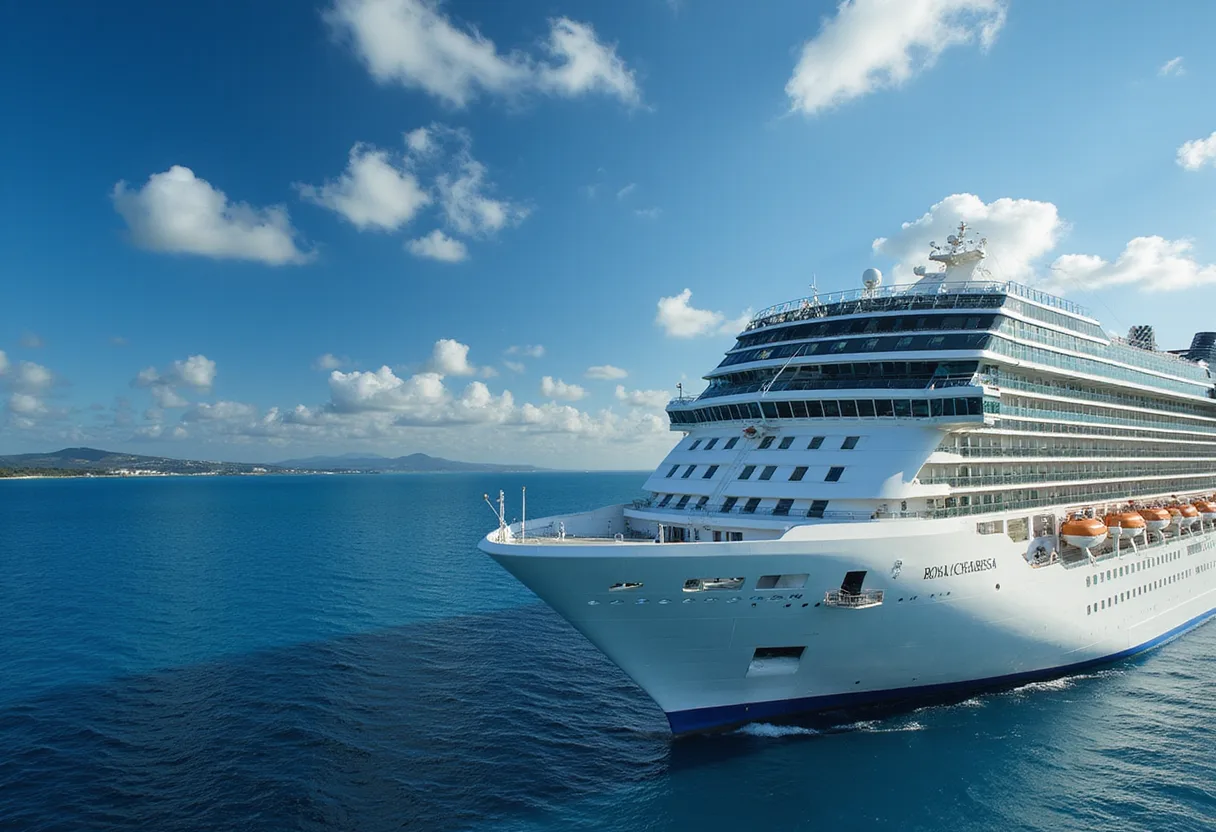
Royal Caribbean Bets $3 Billion on Sandals to Double Share of Wallet
Royal Caribbean raised guidance and framed its $3 billion Sandals stake as a play to capture 50% of guests' vacation spend, up from 20-25% today.

Royal Caribbean Group says it currently captures 20% to 25% of its guests' annual vacation spend — and it expects that to roughly double to 50% once its pending $3 billion purchase of a 50% stake in Sandals Resorts and Beaches Resorts closes. The company laid out the math Tuesday alongside better-than-expected third-quarter results and a raised full-year outlook.
The mechanism is simple: close to half of Royal Caribbean's guests this year are repeat customers, but a large share of their vacation dollars still leaks out to hotels and competing resorts. By adding all-inclusive properties to its ecosystem and connecting loyalty programs, the operator wants to plug that leak. CEO Jason Liberty was blunt about the stakes on the earnings call: "If a Royal Caribbean customer goes on a competitive cruise brand, I think that's a fail." Connected loyalty, he argued, "should keep our customer inside of our ecosystem."
What did the quarter actually deliver?
Third-quarter revenue hit $5.6 billion, up 9% year over year, and net income reached $1.7 billion. Net yields rose 0.6% in constant currency, while gross cruise costs per available passenger cruise day fell 0.7%. The company credited stronger-than-expected close-in demand in Europe for the beat and raised full-year guidance to $17.85 to $17.95 per share.
Notably, cost control drove the beat more than ticket sales, according to Truist analysts. Marketing and administrative expenses came in roughly flat against an expected 5% increase, while onboard and other revenue climbed 14% — the higher-margin side of the business outperforming.
How does Sandals change the economics?
Liberty pointed to several hundred million dollars of synergy opportunities over time from the Sandals and Beaches deal. He also signaled room to take the inclusive-resort model beyond the Caribbean, which would widen the addressable vacation market the company can serve with one loyalty relationship. In practical terms, a household that splits its travel budget between cruises and land resorts could soon spend both halves inside Royal Caribbean's system.
Wall Street's initial skepticism about the acquisition has eased. Jefferies and Bank of America Securities both upgraded the stock to buy following the results and the strategic framing.
What does this change for competitors? If Royal Caribbean can genuinely hold guests at 50% of their annual vacation spend through linked cruise and resort loyalty, rivals in both categories — cruise lines and all-inclusive operators alike — will face a customer who has fewer reasons to shop elsewhere. The test now is execution: closing the deal, integrating the loyalty data, and proving those synergies are real rather than projected.
More from Olivia Hart
Show full bio
Staff writer covering regulation, policy and their impact on Restaurant and hotel operations at The Pass Brief.
558 articles