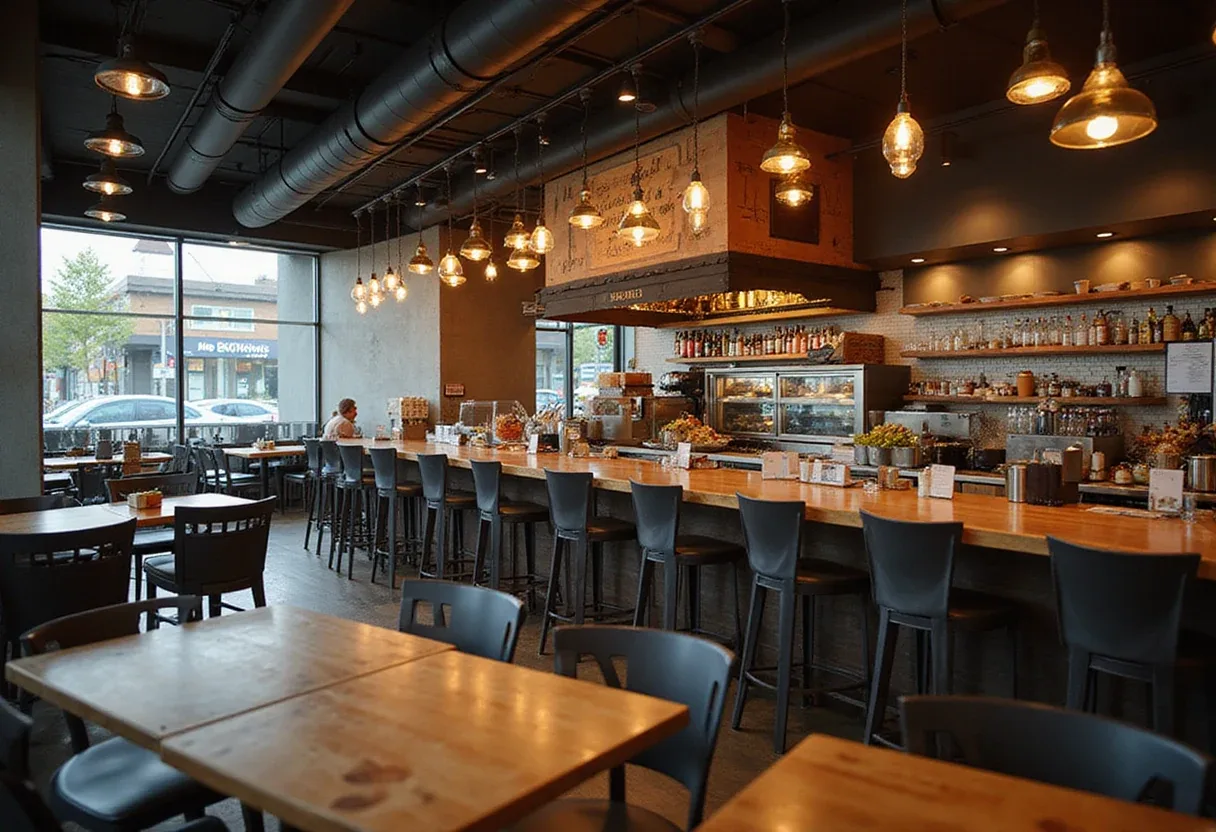
Roughly 100 Salad and Go Sites Cleared for Sale in Bankruptcy
Roughly 100 former Salad and Go locations were approved for sale in bankruptcy. The buyer of the chain's intellectual property plans to reopen some units.
Roughly 100 former Salad and Go locations were approved for sale during bankruptcy, and the buyer of the chain's intellectual property plans to reopen some of those units.
That is the operative fact of this story, and it is nearly all of it. The Arizona-based drive-thru salad chain collapsed into bankruptcy, and the court has now cleared the disposal of its physical footprint. The brand may survive. The real estate is being scattered to whoever will take it.
What was approved?
The bankruptcy court approved the sale of approximately 100 former Salad and Go locations. The figure covers the chain's sites as they stood at the time of the proceedings — drive-thru units built around a small-format, value-priced salad model.
The intellectual property — the brand, presumably the systems, the name on the sign — went to a separate buyer. That buyer, according to the source reporting, plans to reopen some units under the banner. Not all. Some.
The distinction matters. In restaurant bankruptcy outcomes, the IP buyer controls whether a concept lives; the store-level buyers control what happens to the boxes. A chain can die while its name persists on a fraction of the footprint. That appears to be the Salad and Go scenario.
Why the format was fragile
Salad and Go built its model on speed and price: drive-thru salad at fast-food-like economics. Produce-heavy menus carry higher sourcing risk than shelf-stable ingredients, and bankruptcy filings from produce-forward concepts typically trace back to cost-of-goods pressure rather than demand alone.
The source material does not specify which costs broke the model, so this analysis will not invent a figure. What the record shows is outcome, not cause: a chain with roughly 100 sites, gone as an operating enterprise, its locations approved for sale.
What happens to the units?
The approved sale covers the former locations. In transactions of this kind, restaurant sites move to individual buyers, competing operators, or landlords, and each disposition is separate. The reporting does not break down how many units went where.
The reopening question runs only through the IP buyer. That party decides which sites return to service, in which markets, and on what timeline. No opening dates, market names, or unit counts for the reopenings appear in the source reporting.
What to watch
The reopenings will be the tell. A buyer who reopens a handful of units is licensing nostalgia; a buyer who rebuilds a supply chain at scale is making an operating bet. The number of reopened Salad and Go locations, when disclosed, will say which.
For now, the confirmed facts stand: roughly 100 former locations approved for sale in bankruptcy, intellectual property sold, and a stated intent to reopen some units.
More from Rebecca Stone
Show full bio
Senior reporter covering technology and product news in Restaurant and hotel operations at The Pass Brief.
459 articles