Restaurants Raise Prices and Shrink Portions as Costs Jump 25%
Operating costs up about 25%: restaurants respond with higher menu prices, smaller portions and shorter menus to protect unit-level margins.
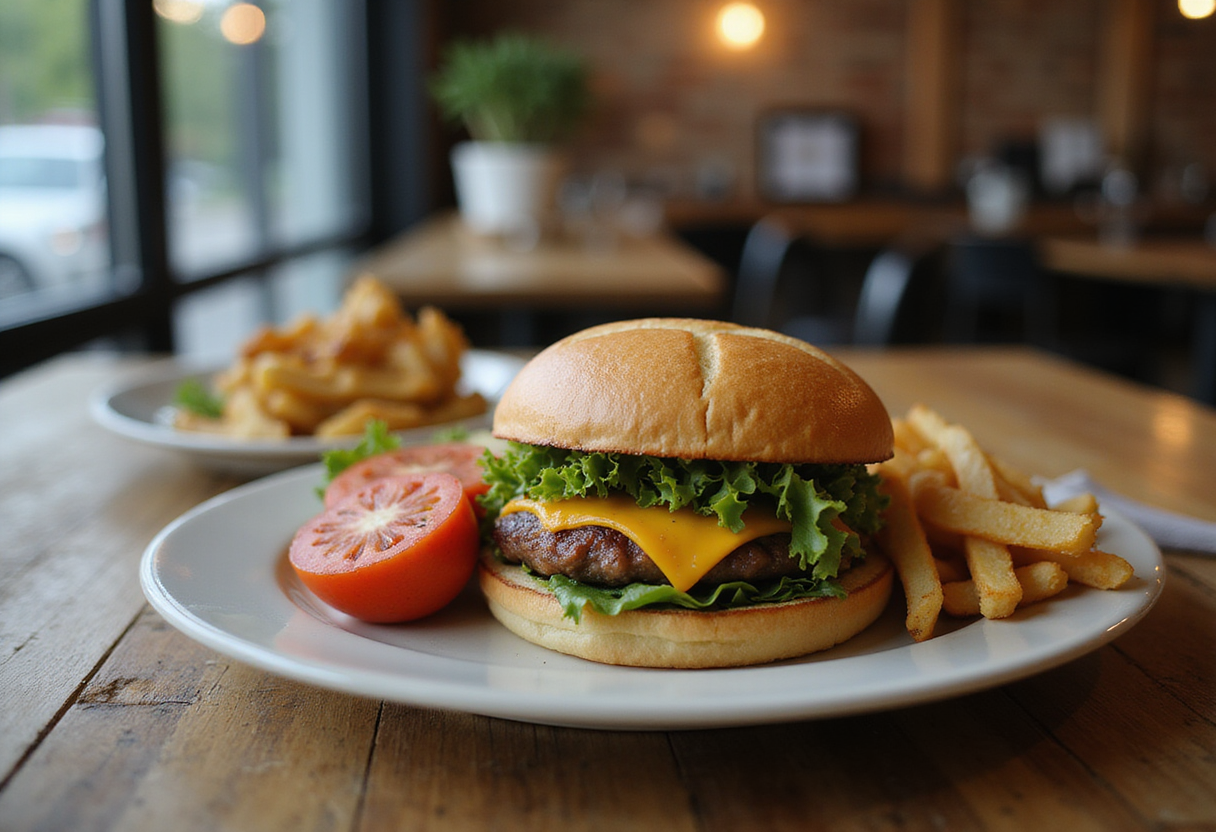
Restaurant operating costs have risen roughly 25%, and operators are passing the increase to consumers through a combination of higher menu prices, smaller portions and shorter menus, Moneycontrol reports.
The 25% cost figure is the hardest number in the story, and it frames every move that follows. Rather than absorb the increase, restaurants are re-engineering three levers at once: what the guest pays, how much the guest receives, and how many dishes the kitchen must produce.
Shorter menus are the most operationally significant of the three. Every additional item on a menu multiplies inventory lines, prep labor and waste exposure. Cutting SKUs reduces cost of goods tied up in slow-moving ingredients and trims the labor hours needed to prep them. For a kitchen facing a 25% input-cost shock, menu rationalization is the fastest structural fix.
Smaller portions work on the same logic from the plate side. A reduced serving size holds the menu price steady or limits the increase while lowering the food cost per cover. It is portion engineering as pricing strategy: the guest sees a familiar number, the operator sees a lower cost of goods per plate.
Straight price increases complete the picture. Where portion cuts and menu trims cannot close the gap, operators lift prices directly — and the 25% cost rise indicates how much pressure they are trying to relieve.
What does this change for operators?
It confirms that cost inflation is no longer being absorbed at the unit level. Operators are restructuring menus and portion specs rather than accepting margin compression. The playbook is now standard: fewer items, tighter portions, targeted price increases.
For multi-unit groups, the combination also changes sourcing. A shorter menu means fewer ingredients in larger volumes per item, which can strengthen purchasing terms with suppliers even as input prices climb.
Consumers will keep seeing the same restaurants with less choice on the menu and less food on the plate at a higher price. The direction of travel is clear: cost inflation remains in the system, and menu engineering is how operators are managing it.
Note: the source headline carries the core figures; further unit-level detail was not disclosed.
More from Elena Vasquez
Show full bio
News editor covering people, launches and day-to-day practice in Restaurant and hotel operations at The Pass Brief.
347 articles