Red Robin Posts 3.9% Same-Store Sales Jump, and Its Stock Falls Anyway
Red Robin's best same-store sales since Q1 2023 still sank its stock, KFC franchisee Tasty Chick'n filed Chapter 11, and Sweetgreen launched AI ordering via ChatGPT and Claude — all in one week.

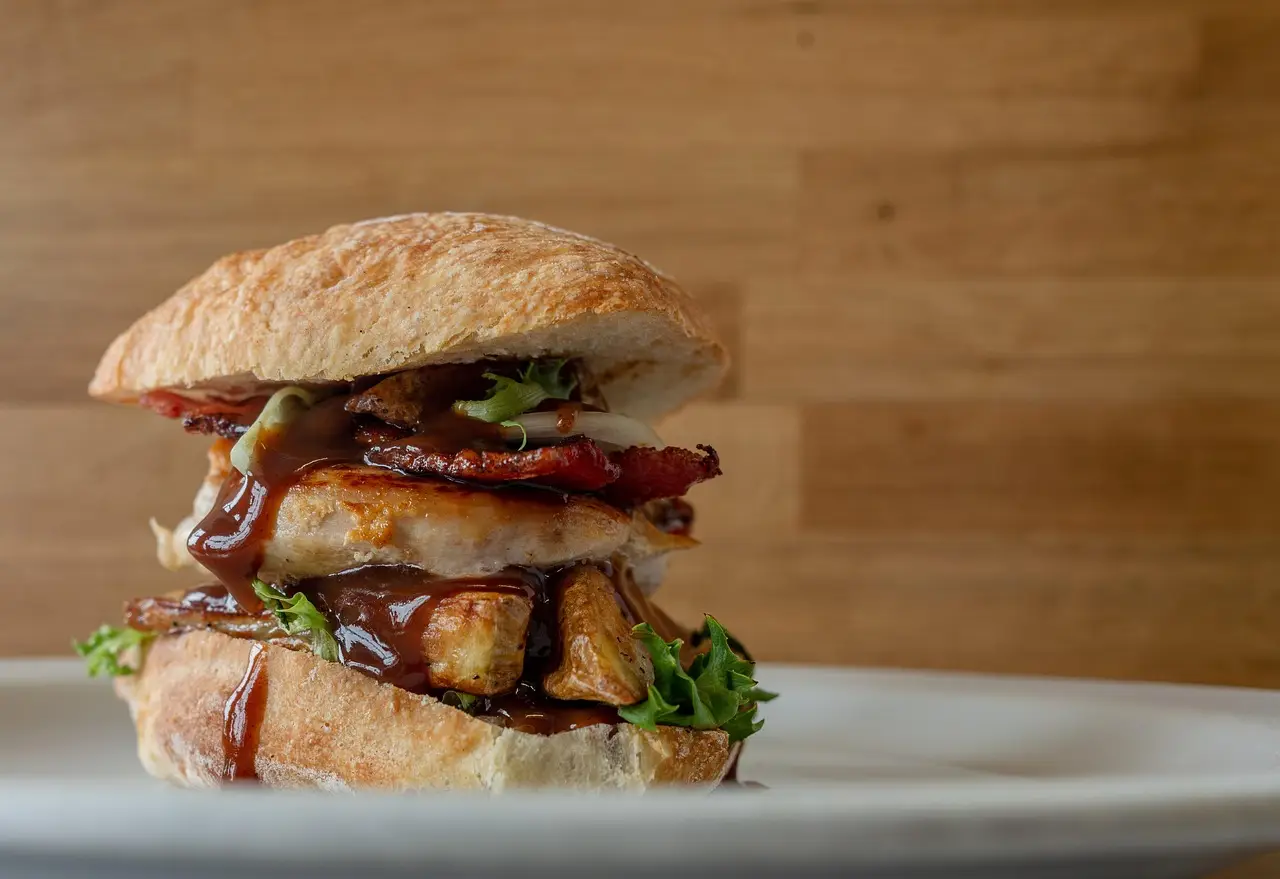
Red Robin's same-store sales climbed 3.9% — its best performance since Q1 2023 — and the market punished it anyway. Traffic and revenue both fell as the casual-dining chain closed stores and took price to offset food cost inflation, and the stock plunged on the earnings report.
That gap between the headline number and the underlying business is the real story. NRN editor in chief Sam Oches and executive editor Alicia Kelso walked through it on this week's Extra Serving, and their read applies to any chain mid-turnaround.
What does a 'good' quarter actually change for Red Robin?
The 3.9% figure is the strongest same-store sales growth Red Robin has reported in roughly two years. But it was built on pricing, not bodies in booths — traffic declined along with total revenue.
The chain is running a deliberate balancing act: shuttering underperforming locations to optimize the system for the long term, while pushing menu prices up to cover rising food costs in the short term. Investors, at least this quarter, weren't buying it. The question Oches and Kelso raise is one plenty of operators face: can a chain take its medicine on closures and pricing and still hold onto Wall Street's patience while the turnaround compounds?
The franchisee bankruptcy wave keeps growing
The same week brought another Chapter 11, and it's part of a pattern. KFC franchisee Tasty Chick'n filed for Ch. 11 protection, claiming profitability has declined every year since 2023.
Tasty Chick'n is not alone. This year's franchisee bankruptcy list already includes operators from Wendy's, Papa Johns, Popeyes and Dave's Hot Chicken. That's five major brands with franchisees who couldn't keep the math working.
Kelso breaks down what went wrong at Tasty Chick'n specifically, but the broader point is structural: franchisors may be part of the problem. When royalty structures, mandated investment and cost pressures pile onto franchisees whose margins shrink year after year, Chapter 11 becomes the exit valve — and the franchisor's unit count takes the hit.
AI ordering goes mainstream — sort of
Sweetgreen announced this week that it launched agentic ordering built on platforms like ChatGPT and Claude. Guests can use the AI agents to tailor meals to their dietary needs before the order lands.
The mechanics matter here. This replaces the traditional app or web ordering flow with a conversational layer — the guest describes what they want and what they're avoiding, and the agent assembles the bowl. For Sweetgreen, it's menu engineering by another name: the system can steer customization without a crew member walking each guest through ingredients.
Wonder's DIY restaurant play
At a splashy New York City event attended by influencers, ghost kitchen company Wonder introduced Wonder Create. The pitch: anyone can design their own virtual "restaurant" — menu and brand — that Wonder actually delivers to consumers.
It's a franchise model inverted. Instead of buying into an established brand, you generate one, and Wonder's infrastructure handles fulfillment. Oches and Kelso admit to some cynicism about the concept while weighing how much consumers genuinely want this kind of AI-driven novelty.
Does any of this change hospitality's direction?
Here's the counterweight to the AI enthusiasm: restaurants keep reporting that human-driven hospitality is winning the day. Sweetgreen and Wonder are betting that guests will delegate ordering and even brand creation to software. The Technomic Top 500 data frames the backdrop — chain sales slowed again in 2025 as consumers cut back on dining, though coffee, beverages and snacks, and chicken segments thrived.
So the industry is splitting. Traffic-constrained full-service chains like Red Robin manage declines with closures and price. Franchisees across quick service absorb the margin squeeze, sometimes into bankruptcy. And the growth segments — chicken, coffee, snacks — are where the tech bets are landing. Expect the bankruptcy count and the AI ordering rollouts to keep moving in the same direction through the rest of 2025.
More from Olivia Hart
Show full bio
Staff writer covering regulation, policy and their impact on Restaurant and hotel operations at The Pass Brief.
788 articles