Queensland Hoteliers Win WorkCover Reforms Targeting Fraud and Premiums
Queensland has adopted QHA-backed WorkCover reforms: tighter psychological injury tests, fraud enforcement and a possible hospitality-specific insurance model.
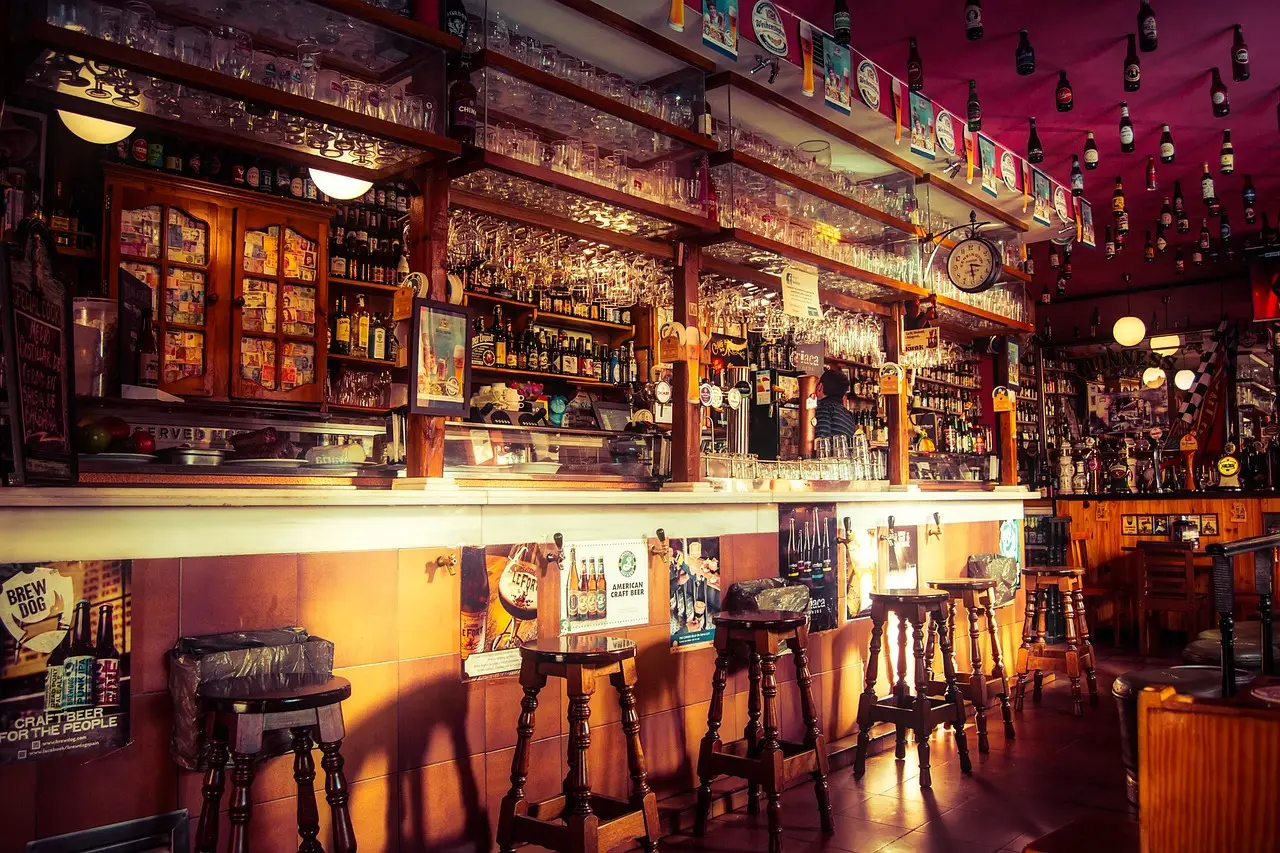
Queensland's hotel sector has secured a package of WorkCover reforms aimed at cutting premiums for small, family-run pubs and hotels — including a stricter test for psychological injury claims and a possible hospitality-specific insurance model borrowed from other states.
The Queensland Hotels Association, which helped develop and present recommendations to the government, says a number of its proposals have been adopted. CEO Bernie Hogan called the reform plan "a welcome and positive step" for an industry he describes as squeezed by a system that is "slow, hard to navigate and increasingly expensive."
What does this change for operators?
The reforms touch four areas that directly affect how Queensland venues run their businesses and what they pay in workers' compensation:
- Fraud enforcement. Every fraudulent claim pushes up premiums for honest operators, Hogan argues — most of them small and family-owned. Fraud crackdowns, he says, are about fairness to businesses and to workers who genuinely need the scheme.
- A clearer psychological injury test. Work will now need to be the major factor behind a claim, not just one contributor among many. Hogan frames this as a sustainability measure: genuine injuries must always be supported, but "a scheme that is clear about cause is one we can sustain."
- Clarity on reasonable management action. Managers don't need to be perfect, but they do need to be reasonable. Clearer rules, the QHA argues, give managers the confidence to insist on quality service, keep staff and patrons safe, and attract good people to the business.
- A specialised insurance model. The government will consider a hospitality-specific insurance system that Hogan says is already working successfully in other states, as an answer to lengthy wait times and rising costs that hurt workers and employers alike.
Why hoteliers pushed for this
Hogan's framing of the stakes is community-level. Walk into any Queensland pub or hotel, he writes, and you'll find a small team, often family-run, delivering meals, drinks, accommodation and celebrations. Those businesses, he argues, are the backbone of their communities — and too many are being squeezed by the current WorkCover setup.
The argument is essentially about cost allocation. Fraudulent claims raise the premium pool for everyone, including honest small operators. Ambiguous psychological injury tests broaden employer liability beyond clear workplace causes. Vague standards on management action chill legitimate supervision. And a generic insurance structure, the QHA contends, doesn't fit the risk profile of hospitality businesses — hence the push for a sector-specific model.
What comes next
Hogan is explicit that the package is a starting point, not a finish line. "The Government needs to be bold for the hospitality industry, and these reforms are a positive start," he writes. "But there's more to be done, and the sooner we can put these changes into action to support both businesses and their staff, the better."
The QHA's stated goals for the reforms are threefold: downward pressure on premiums, getting injured workers back to what Hogan calls "the dignity of work," and ensuring patrons continue to receive quality service.
No implementation dates, premium figures or cost estimates appear in the announcement. The specialised insurance model remains at the consideration stage, and the government has yet to publish a timeline for enacting the adopted recommendations — details Queensland operators will be watching for as the reforms move from plan to practice.
More from Olivia Hart
Show full bio
Staff writer covering regulation, policy and their impact on Restaurant and hotel operations at The Pass Brief.
558 articles