Qatar Lands Its First Internationally Operated Food Hall in Doha
Msheireb Foodhall opens at Msheireb Galleria in Doha as Qatar's first internationally operated food hall, importing the vendor-share model to a post-World Cup market.

Msheireb Foodhall has opened at Msheireb Galleria in downtown Doha, and its operator claims a national first: Qatar's first food hall run by an international operator. The distinction matters. Gulf capitals have assembled food halls before. An international management team running one is new for the Qatari market.
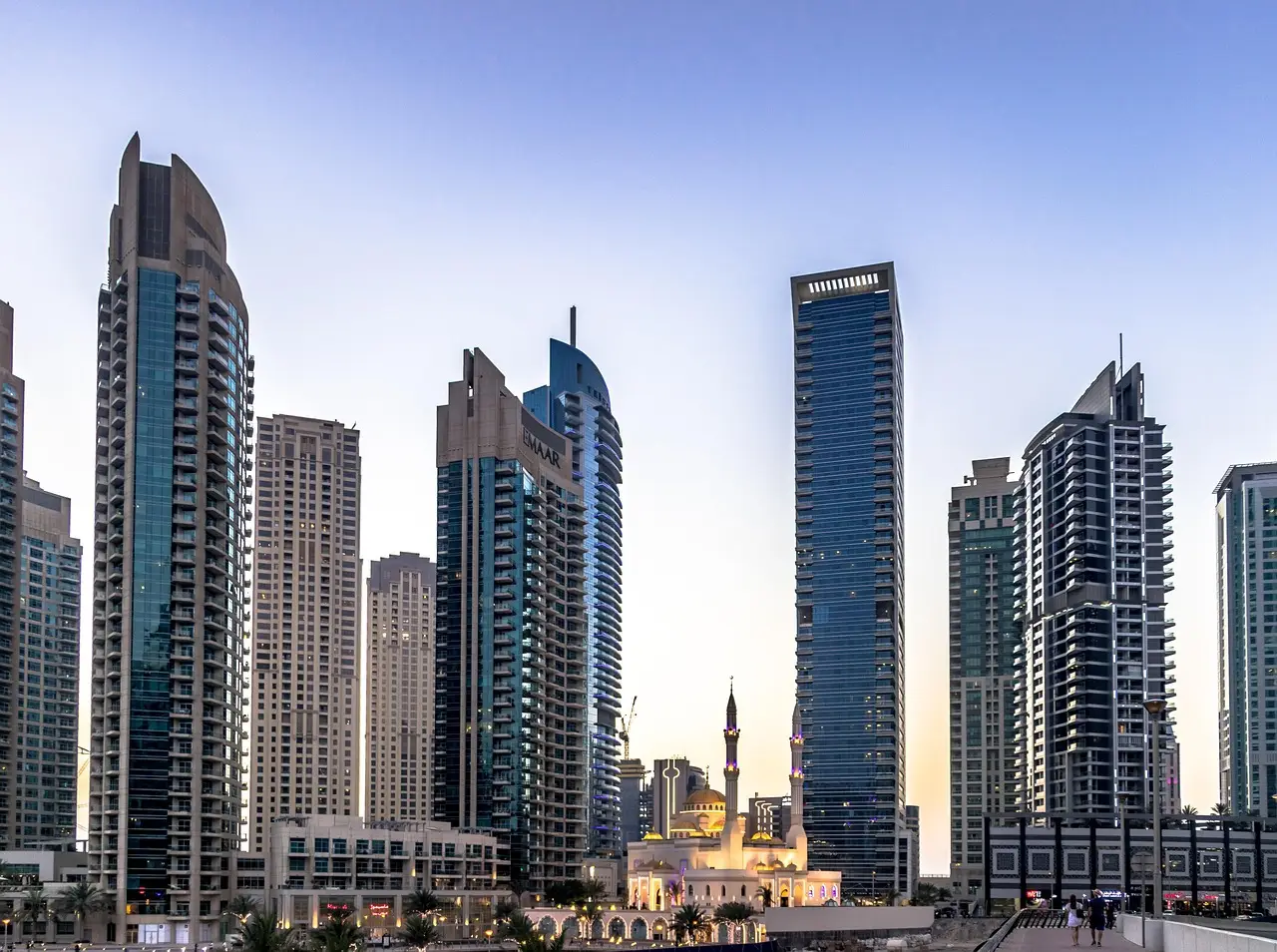
The venue sits in Msheireb Downtown Doha, the district built as a walkable counterpoint to the city's car-first layout. Msheireb Galleria, the mall anchoring the district, now carries the food hall as its social dining centerpiece.
Why does 'internationally operated' matter?
Food halls live or die on curation, not architecture. The model — multiple independent vendor stalls sharing one dining room, with the operator taking a percentage of vendor sales as rent — depends on operator discipline in vendor selection, footfall management and category mix.
Bringing in an international operator imports that playbook. It also imports vendor relationships and format experience that local management teams may lack. Qatar's dining market skews toward luxury fine dining and mall chains; the food hall occupies the middle, targeting groups who cannot agree on one cuisine.
The operator positions the venue as a "social dining destination" — industry shorthand for a space where check averages come from dwell time, drink attachment and multiple vendor visits per party, rather than a single entrée sale.
What the format signals for Doha
Msheireb Downtown Doha was developed by Msheireb Properties, the real estate arm of Qatar Foundation, as a regeneration project preserving heritage architecture alongside new retail. A food hall fits the district's positioning: high footfall, low commitment per visit, daytime-to-evening utility.
For vendors, the economics are lower-risk than a standalone lease. A stall inside an operated hall trades lower buildout costs for a revenue share, which suits operators testing the Qatari market before committing to full units.
The competitive question
Doha's hotel F&B sector remains among the region's most saturated, and post-World Cup the city carries restaurant capacity built for a surge that has since normalized. A food hall spreads that risk across many small tenants instead of one large one.
The opening also tracks a regional pattern. Food halls have multiplied across Dubai, Riyadh and Abu Dhabi over the past five years as developers seek formats that fill retail space vacanted by e-commerce. Qatar is arriving at the format later, with the advantage of proven international operators now willing to enter the market.
No opening-date beyond the announcement, vendor roster or pricing structure has been disclosed. The test will be footfall: whether Msheireb's office and residential base generates enough midweek traffic to keep vendor stalls profitable between weekend peaks.
More from Rebecca Stone
Show full bio
Senior reporter covering technology and product news in Restaurant and hotel operations at The Pass Brief.
489 articles