Phu Quoc Is Adding 20,000 Rooms for APEC 2027. Then What?
Phu Quoc developers are stacking up to 20,000 rooms for APEC 2027. Sun Group and Marriott are leading the build-out, betting the boom outlasts the summit.
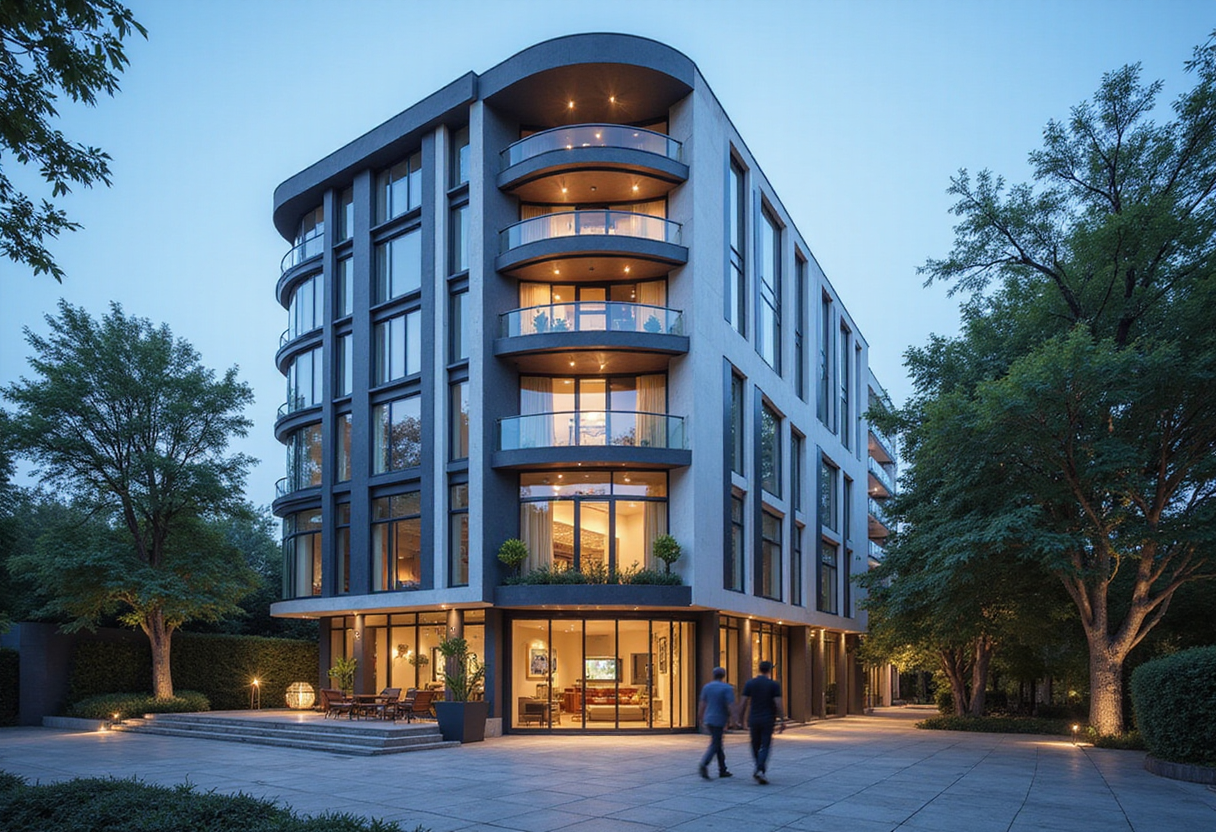
Sun Group's Ruby Beach complex alone calls for more than 7,000 rooms in its first phase — 17 towers at Bai Dat Do, on Phu Quoc's southern coast — with later phases potentially pushing the count toward 20,000. That single project would roughly triple the scale of most regional resort builds, and it's being rushed to market ahead of APEC 2027, which the Vietnamese island hosts in November 2027.
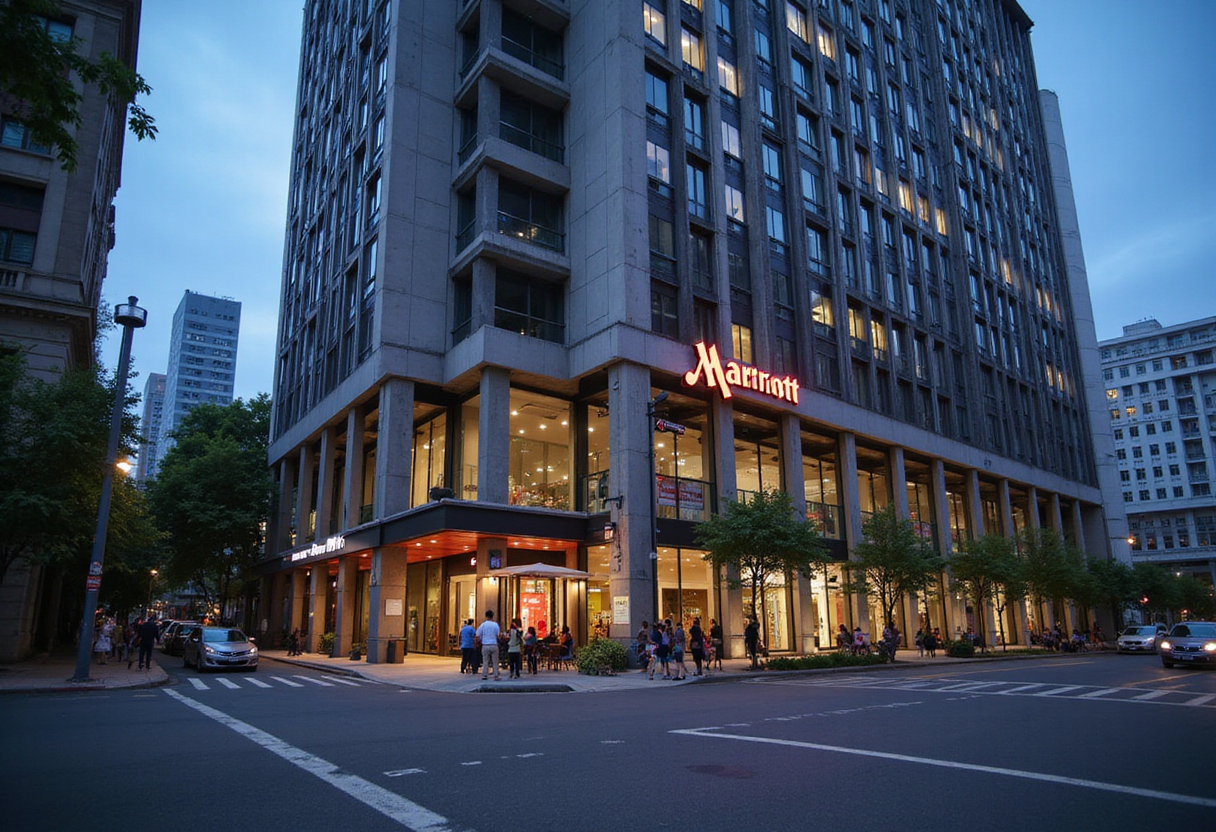
The annual summit gathers leaders from 21 Asia-Pacific economies and is functioning as a hard deadline for developers. Marriott International is among the international brands anchoring the Ruby Beach project.
Who is building, and how fast?
The Ruby Beach pipeline isn't Sun Group's only commitment. The company and Marriott signed a framework agreement last month to study additional hotel projects together in Phu Quoc, Da Nang, and other Vietnamese destinations, according to the agreement reported by VietnamPlus.
That deal builds on a March signing: 10 hotels and resorts with nearly 4,500 rooms across Phu Quoc and Vung Tau, scheduled to open between 2026 and 2030. Put simply, the March portfolio alone adds roughly 450 rooms per year on average over the window — and Ruby Beach sits on top of it.
What does the APEC deadline change for operators?
The mechanism here is straightforward. A one-time summit event pulls inventory into service on a fixed calendar rather than on demand signals. Rooms land in 2026 and 2027 whether or not the island's visitor base has grown to fill them.
Developers are betting that Phu Quoc's recent surge in popularity is structural, not a short-term boom. If they're right, the rooms absorb rising inbound travel and the MICE business the summit should showcase. If they're wrong, the island faces the classic post-event problem: supply calibrated to a peak week, priced against 51 ordinary weeks.
Some properties could struggle afterwards — the risk isn't construction, it's occupancy and rate once the delegations leave. Vietnam's resort markets have seen this pattern before, where event-driven pipelines outpace the base of leisure and corporate demand that ultimately has to carry the asset.
The forward math
The test arrives in 2028, the first full year after the summit. That's when operators will learn whether Phu Quoc's demand curve has genuinely shifted or whether thousands of new keys are competing for the same guests at lower rates. Watch Sun Group and Marriott's next round of announcements — whether the framework agreement converts into signed projects will signal how much confidence the owners themselves place in the island's post-APEC runway.
More from Olivia Hart
Show full bio
Staff writer covering regulation, policy and their impact on Restaurant and hotel operations at The Pass Brief.
376 articles