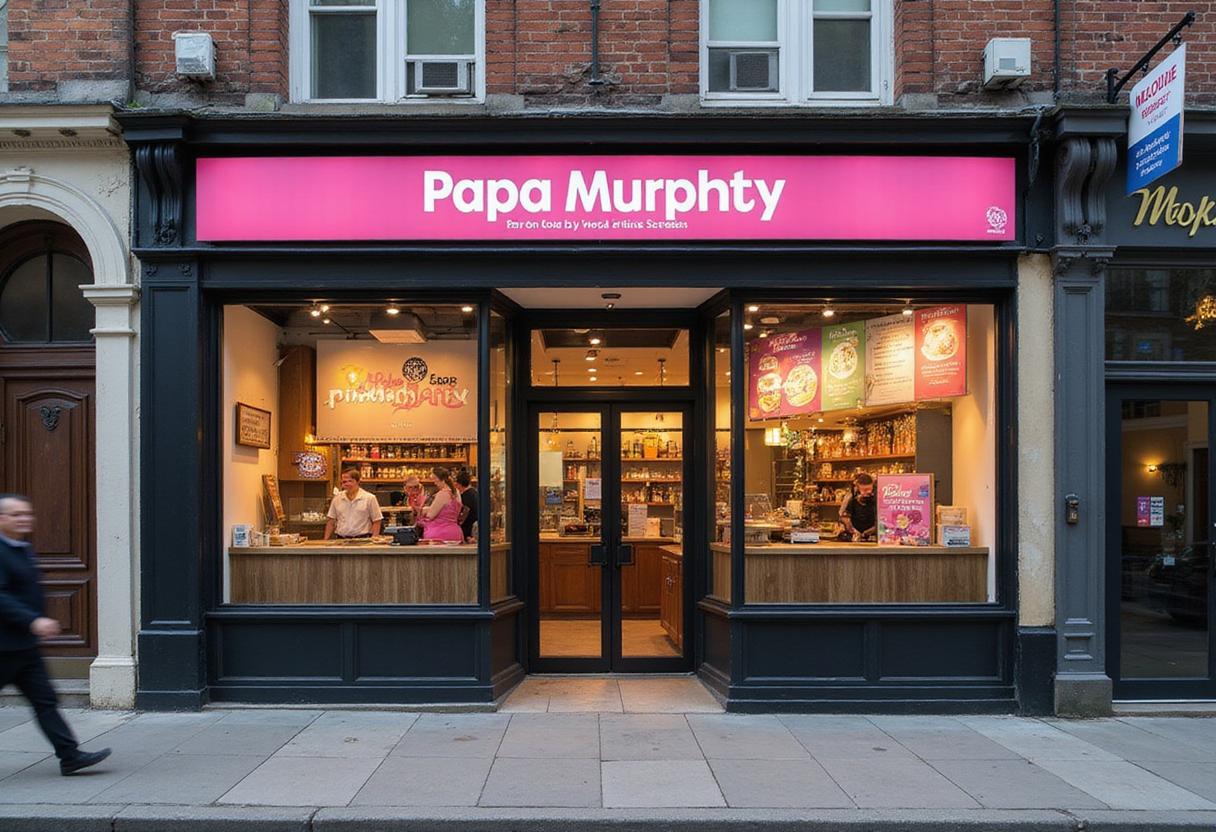
Papa Murphy's Signs 3 Co-Brand Deals Pairing Pizza With Pinkberry Yogurt
Papa Murphy's has signed three deals to open co-branded stores with Pinkberry in Oregon, New Mexico and Utah. Each unit will pair the take-and-bake pizza chain's counter with Pinkberry frozen yogurt under one roof.
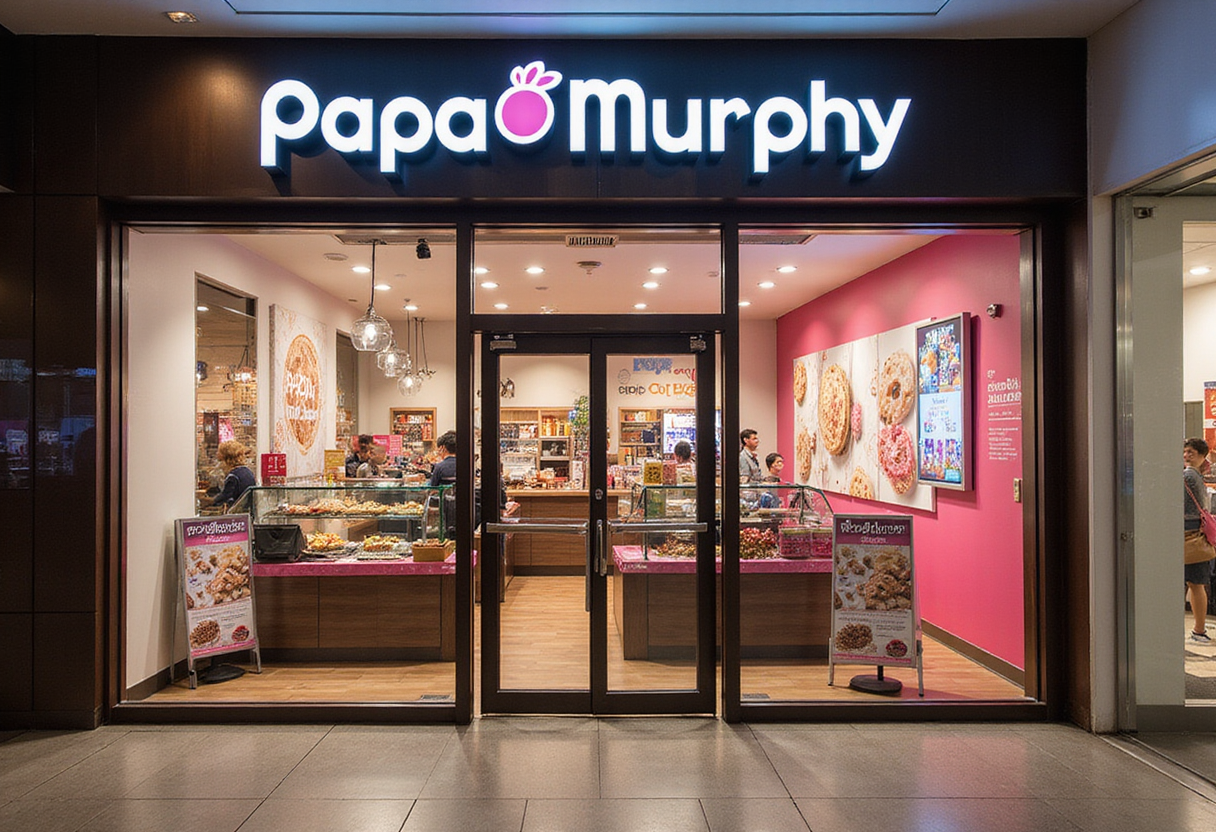
Papa Murphy's has signed three deals to open co-branded stores pairing its take-and-bake pizza concept with Pinkberry frozen yogurt in Oregon, New Mexico and Utah, the company said this week.
Each store will marry a Papa Murphy's take-and-bake counter with a Pinkberry dessert counter under one roof — a format the company is now placing in three markets outside the test bench.
What does the co-brand look like?
Each unit combines Papa Murphy's made-to-order pizzas — customers finish the bake at home — with Pinkberry's non-fat frozen yogurt and toppings. The two counters share a single front-of-house and a small-footprint build, with neither side running a full-service dining room.
That shared footprint is the format's main economic argument. A dual counter pulls two product categories onto one lease, one utility bill and one point-of-sale stack, instead of running them as two separate stores with two separate rents. The format also folds dinner and dessert under the same awning, putting the chain into a guest's consideration set twice per visit.
What is the operator's rationale?
The company says the model "maximizes efficiency and guest appeal." Translated into operator-level language, that points to two lines on the P&L: labor and guest frequency. Co-located stores can share host-counter staffing, supervision and closing labor, reducing the labor percentage that a standalone operator would otherwise book twice. A returning guest already inside the front door can be served twice — once for pizza, once for dessert — at lower incremental marketing cost than acquiring a separate dinner-only or dessert-only customer.
The dessert counter also adds daypart balance. Take-and-bake skews to dinner and weekend family occasions; frozen yogurt carries an afternoon, evening and parent-with-child traffic layer that the pizza counter alone does not. Two categories stacked into the same address is the operational claim the company is now putting in front of developers.
Why these three markets?
Oregon, New Mexico and Utah give the chain a footprint test across three distinct regional markets: a Pacific-coast population center, a mountain-west market and a southwest market. None is a home market for either brand, which lets Papa Murphy's measure how the concept travels without disturbing existing store density in either category. The three sites together also test the format in markets of varying competition — Pinkberry's frozen yogurt density and Papa Murphy's take-and-bake density differ city to city, and the early operators in each state will reveal whether one category crowds the other or both lines grow.
What does this change for operators and guests?
The three signed deals are commitments, not open doors. Until the first unit turns on its lights, the labor model, the daypart mix and the build-out cost remain projections. The first operator to open will set the template every subsequent developer is then asked to underwrite.
For guests, the practical change is one store visit that now covers a pizza dinner and a frozen yogurt dessert, ordered at one counter and carried out the same door. For operators, the practical question is whether one real estate line, one labor pool and one marketing dollar can carry two revenue lines profitably — or whether one line subsidizes the other.
The next quarter will tell whether the three signed sites convert to operating stores, and whether the dual-brand concept becomes a second growth lane for the two chains or simply a different way of counting the same store.
More from Elena Vasquez
Show full bio
News editor covering people, launches and day-to-day practice in Restaurant and hotel operations at The Pass Brief.
364 articles