One in 85 Consumers Now Reaches for Preserved Foods — and Pickle Brine Is Behind the Trend
One in 85 U.S. consumers now buys preserved foods, up from 1 in 95, per Tastewise. Pickle brine is moving into martinis, a 4.7% ABV Pabst release and more menus.
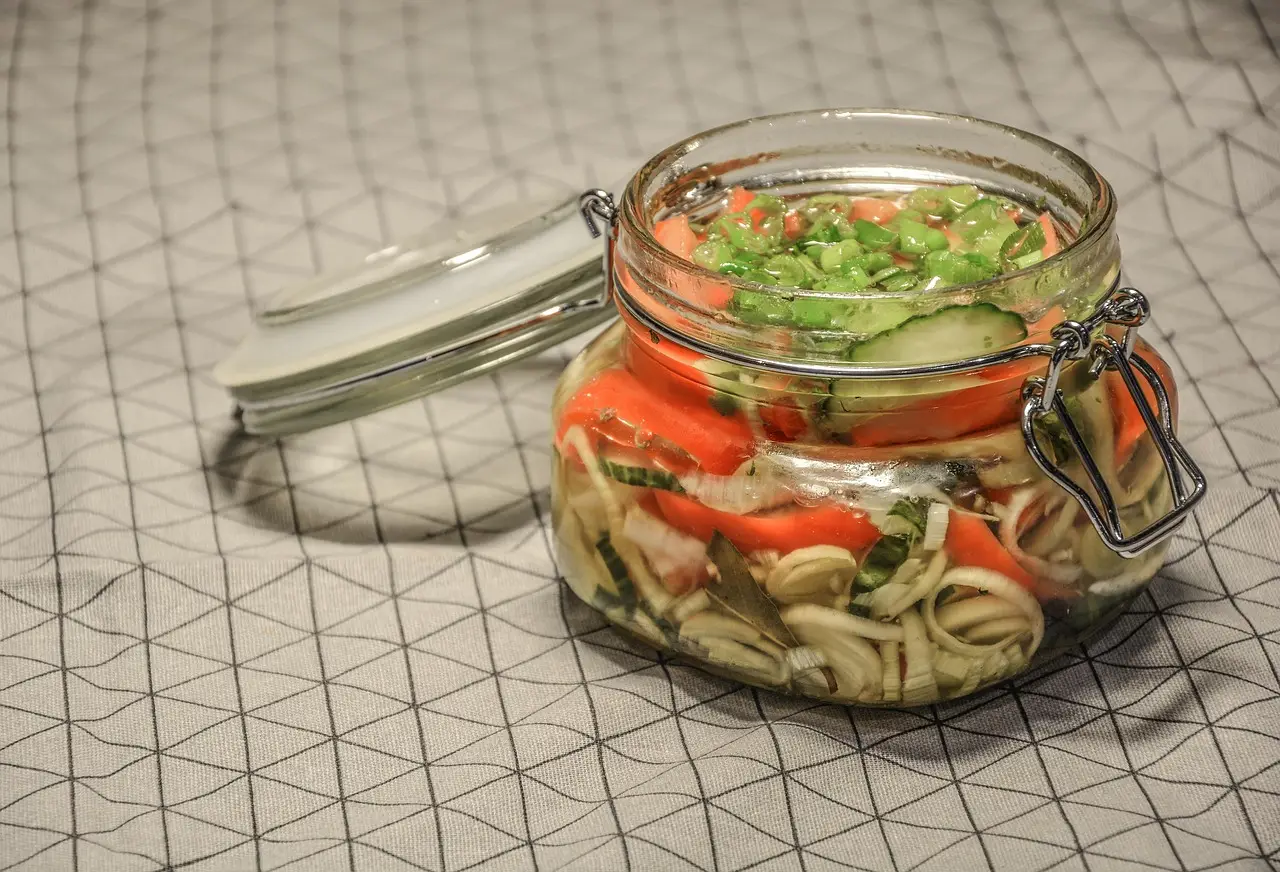
One in 85 U.S. food and beverage consumers now reaches for something preserved, up from 1 in 95 a year ago. That figure comes from Tastewise's 2027 Food and Beverage Forecast, published in September 2026. The measure covers preserved foods and drinks broadly, not pickles alone. But for pickle makers and bar programs alike, the data point lands conveniently before National Pickle Day on Nov. 14.
The forecast also found that conversation around preservation methods is growing, while descriptor words such as "ancient" and "sophisticated" are losing ground. The shift matters for menu language as much as for sourcing. Buyers now interrogate the process, not the poetry.
Why is the brine the part of the label worth reading?
Two jars can carry the same kosher dill label and taste noticeably different. The difference is the liquid, not the cucumber.
- Half-sours spend one to two weeks in a salt brine (a mix of salted water used for fermenting) and leave before full fermentation, staying bright green, crisp and subtle.
- Full-sours stay in the brine roughly three months, emerging darker and more intense.
- Traditional kosher dills sit in a salt brine flavored with garlic and dill; the name refers to the New York Jewish style, not dietary law. Many mass-market jars labeled kosher dill actually use a vinegar brine, so the ingredient list, not the name, tells them apart.
- Cornichons, the French gherkin, are picked at 1 to 2 inches, soaked in vinegar, cooked and jarred with herbs. They resemble dill pickles but taste less tart.
- Bread-and-butter pickles get brown sugar or sugar syrup in the brine itself, with garlic generally omitted. Sweetness is part of the method, not an afterthought.
How is pickle flavor moving into cocktails and beer?
The bar is the clearest commercial expression of the trend. A gin-based pickle martini pairs a mist of vermouth and a dash of celery bitters with pickle juice, finished with extra pickles as garnish. Smirnoff's Pickletini takes the vodka route: 1 1/2 ounces of vodka shaken with 1/4 ounce of vermouth and a measure of pickle juice, strained into a martini glass and garnished with a pickle.
Both drinks use the jar twice — once for juice, once for garnish — which makes them an efficient fit for gatherings and a low-waste pour for operators. The same jar also feeds recipes such as fried dill pickle dip, which calls for chopped dill pickles and pickle juice.
The bigger brand play came in May, when Pabst Blue Ribbon and Grillo's Pickles debuted a limited-edition pickle beer at 4.7% ABV. It is billed as bright and tangy, with a crisp, dill-forward character balancing the lager's maltiness. The release explicitly ties the product to the dive-bar ritual of dropping a pickle spear into a beer.
What are the four home pickling methods?
Home cooks can ferment pickles, process them in a canner (a vessel for heat-processing sealed jars), freeze them, or keep them in the refrigerator. Refrigerator pickles skip canning, so they are not shelf stable and must stay cold; the jars still need sterilizing. Labels mislead here: recipes called "quick pickled" may in fact be refrigerator pickles, while fresh-pack pickles go through a canner and stay shelf stable.
Crispness depends on the cucumber as much as the method. In-season produce performs best, and cooks should skip wax-coated cucumbers because wax can interfere with acidification. Dry brining with pickling salt improves crispness; calcium chloride products offer an optional firming step.
Beyond cucumbers, the jar holds asparagus, beets, carrots, snap beans, peppers, green tomatoes, cabbage and summer squash, plus relishes and chutneys. Dilly beans are trimmed from 5 to 6 inches to 4-inch lengths and rest at least two weeks before tasting. One botanical footnote: "gherkin" properly names a separate species, Cucumis anguria, a trailing gourd-family vine; commercial pickle mixes usually contain small, immature common cucumbers instead.
The simplest test remains two jars, two brines, one slice each. As preserved foods keep gaining share and pickle-brined drinks spread from dives to cocktail lists, the ingredient list — not the front label — is where the buying decision now gets made.
More from Rebecca Stone
Show full bio
Senior reporter covering technology and product news in Restaurant and hotel operations at The Pass Brief.
659 articles