NYC Turns Thanksgiving Week Into a 84.1% Occupancy Machine
While national hotel occupancy sits near 50% for Thanksgiving week, NYC runs 84.1% for the year — powered by the 100th Macy's Parade and a holiday playbook operators can copy at any scale.
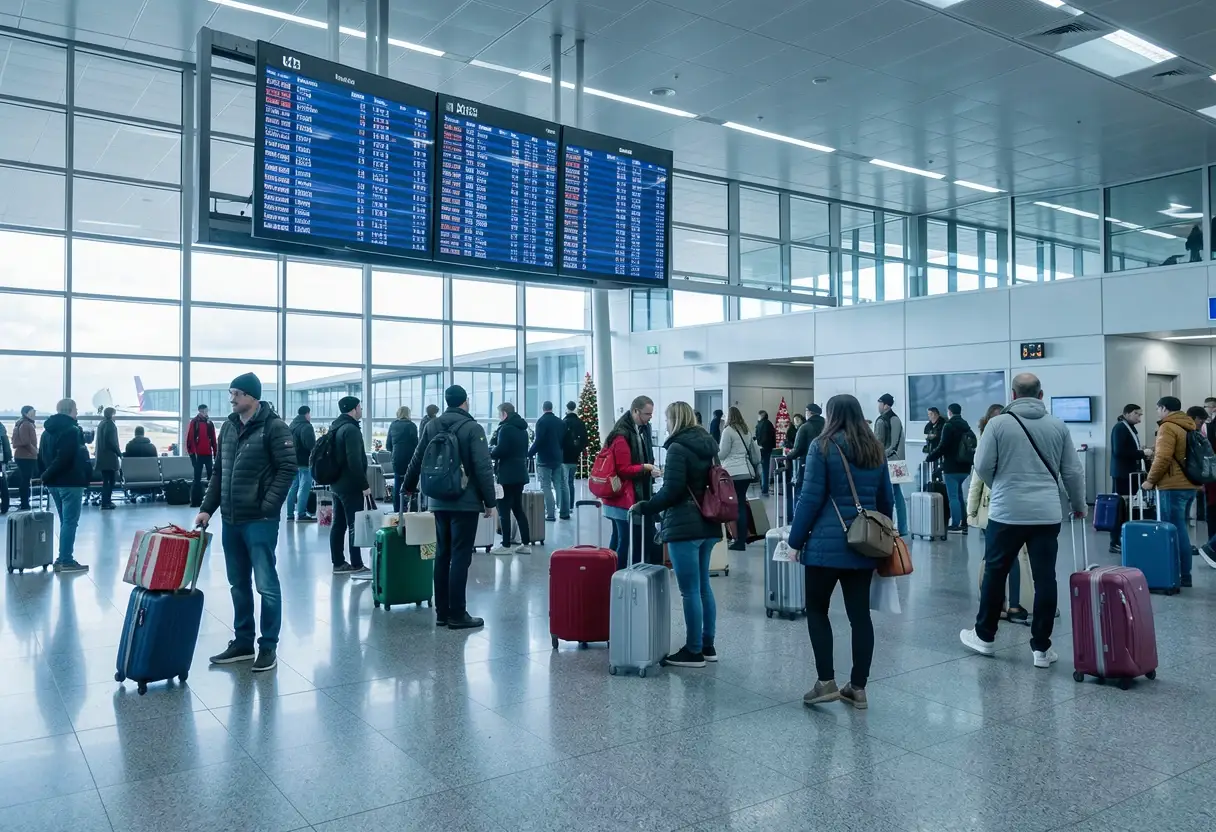
New York City hotels ran at 84.1% occupancy for full-year 2025 while the rest of the country struggled through one of the softest weeks of the year. CoStar data puts national Thanksgiving-week occupancy at 50% in 2024 and 49.8% in 2025, with average daily rate at $141.31. New York doesn't just avoid that dip — it converts it into one of its strongest booking windows.
The mechanism is a single, well-timed event. The Macy's Thanksgiving Day Parade steps off on Nov. 26 for its 100th running, with a record 100 inflatables in the lineup. The 2025 television broadcast drew a record 34.3 million viewers across NBC and Peacock. NYC Tourism + Conventions expects roughly 8.1 million visitors over the holiday season.
What makes the week work for New York?
The numbers stack up. In late 2024, New York led the nation in hotel occupancy for six straight weeks. In fall 2025, it again posted the country's highest weekly occupancy. For the full year, it topped all 25 largest U.S. markets on three metrics at once: 84.1% occupancy, $333.71 ADR and $280.71 RevPAR.
That ADR is more than double the national Thanksgiving-week figure — $333.71 against $141.31. New York isn't filling rooms cheaply. It's filling them at premium rates during a week when most markets can't fill them at all.
No published data isolates the parade from the city's wider holiday draw — the Rockefeller Center tree, decorated store windows, Broadway. But that's partly the point. The parade functions as the kickoff to a season, not a one-day spike, and the season is what carries occupancy for weeks.
How can operators in smaller markets copy it?
The playbook translates to communities of various sizes, and it starts with data you already have.
- Find your soft weeks. Pull daily occupancy and rate data, mark the weeks that sag — Thanksgiving is one candidate, but there are likely others across the year — and cross-reference the local events calendar.
- Treat an event as more than one day. Build packages covering the nights before and after, plus nearby dining and attractions, so a Saturday festival becomes a three-night stay.
- Sell what only you can offer. Hotels on the parade route sell viewing packages with multi-night minimum stays. The equivalent elsewhere might be a view, early access, breakfast before the crowds, or a reserved spot near the action.
- Price for demand, not volume. Set event-date rate strategy well ahead of time and don't fill rooms early at regular rates.
- Measure the results. Compare event weeks against surrounding weeks to isolate the effect, then share that data with the local tourism board to shape which events the community backs.
What does this change for 2027 planning?
For hotels building 2027 budgets now, the exercise is concrete: identify the sagging weeks, match them against local parades, festivals, sporting events and fairs, and build rate and package strategy around them. A market that can't replicate a 34.3-million-viewer broadcast can still replicate the structure — a tentpole event that anchors multi-night stays at premium rates, measured against the weeks around it. New York proves the ceiling; the method works at any scale.
More from Olivia Hart
Show full bio
Staff writer covering regulation, policy and their impact on Restaurant and hotel operations at The Pass Brief.
790 articles