New Zealand Opens Consultation on Food Control Plan Overhaul
New Zealand has opened a consultation on its main food control plan. Food Safety Minister Andrew Hoggard promises less paperwork for low-risk outlets.
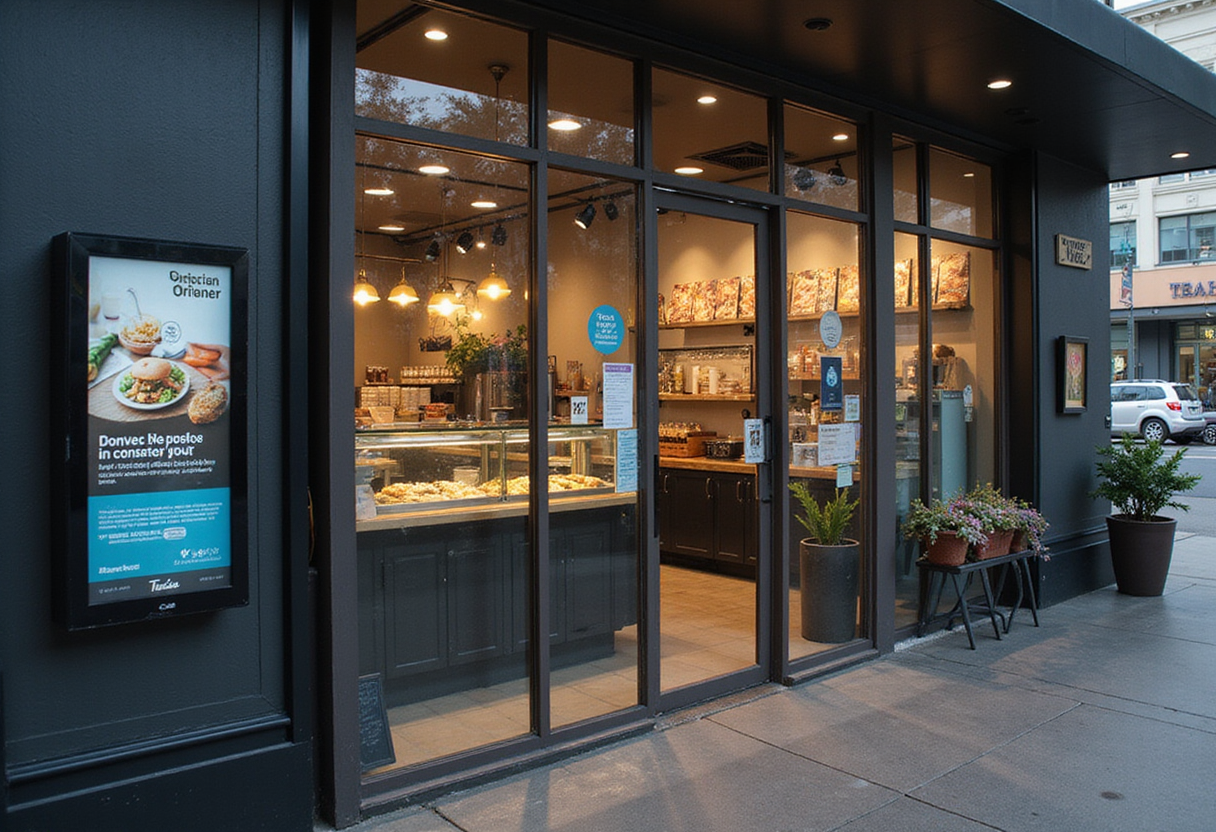
New Zealand has opened a national consultation on changes to its main food control plan, the regulatory framework that governs how food businesses prove their safety compliance.
Food Safety Minister Andrew Hoggard framed the proposed changes as a burden-reduction measure for operators. He said the updates would make it easier for businesses to meet their food safety obligations, with less paperwork and a focus on the risks that matter.
The consultation targets what the ministry classifies as low-risk outlets. The existing food control plan requires businesses to document procedures, record checks and demonstrate ongoing compliance. For small operators, that documentation load has long been a cost line rather than a safety measure.
What does the consultation actually propose?
The announcement is deliberately thin on operational detail. The government has named two directions: lighter paperwork and a sharper focus on material risk. It has not yet published the specific record-keeping requirements that would be cut, nor the threshold that separates a low-risk outlet from a high-risk one.
That distinction matters for operators. A café reheating pies sits in a different risk category than a raw-bar operator. Any redrawing of the boundary will move businesses between compliance regimes, with direct consequences for audit frequency and staff time.
Who pays under the current system?
Under the present framework, businesses themselves absorb the cost of compliance: staff hours spent on records, verification visits, and plan registration. The ministry has not stated whether the proposed changes reduce those costs or simply reorganize them.
Hoggard's promise of "less paperwork" is a promise about process. It is not yet a promise about cost. Operators will want to see the draft rules before assuming savings on labor or administration.
Why the risk-based approach matters now
New Zealand's food control plan system already operates on a risk-tiered model, where the depth of regulation scales with the hazard a business handles. A consultation focused on low-risk outlets signals the government wants to widen the gap between the lightest and heaviest tiers.
For hospitality operators, the practical question is audit exposure. Fewer mandatory records can mean faster verifications and fewer staff hours pulled off the floor. It can also mean less documentary evidence when something goes wrong. Regulators trade visibility for flexibility; businesses inherit both sides of that trade.
The ministry has not announced a closing date for submissions in the material released so far, nor a timeline for when any amended plan would take effect. Operators who want to shape the final rules will need to watch for the consultation's formal deadline once published.
What comes next
If the changes proceed, New Zealand would join a broader regulatory drift toward proportionate oversight of low-risk food businesses. The government has committed to updating the plan; the scope of that update, and the paperwork it actually removes, will only become clear when submissions close and the final rules are gazetted.
More from Marcus Bennett
Show full bio
Market editor covering technology and product news in Restaurant and hotel operations at The Pass Brief.
383 articles