New York Bars Big Brook Farm From Raw Milk Sales After Listeria Test
New York halted raw milk sales at Big Brook Farm after a state sample tested positive for Listeria — the farm's second such finding since 2024. No illnesses confirmed as of Oct. 1.
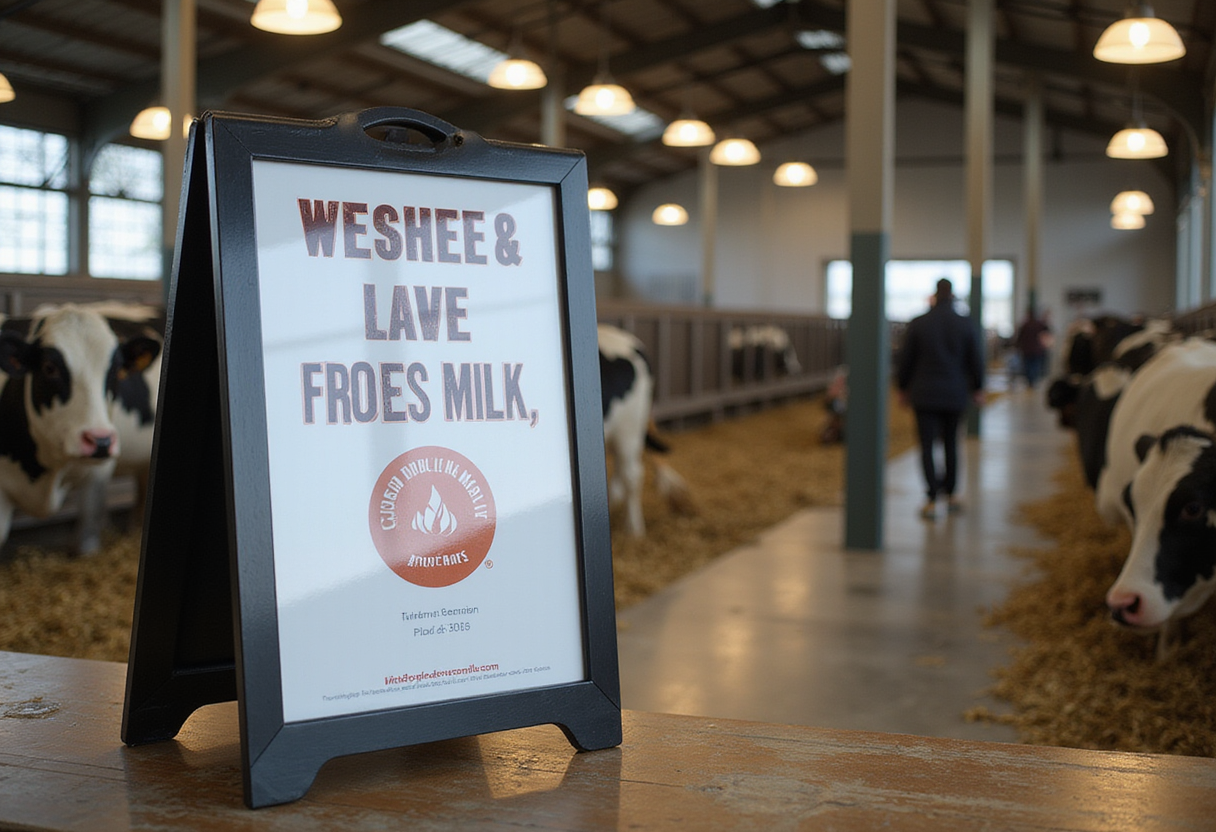
New York State has barred Big Brook Farm in Lee Center from selling raw milk after a state inspector's sample tested positive for Listeria monocytogenes, with follow-up testing confirming the result.
State Agriculture and Markets Commissioner Richard A. Ball issued the public warning on Sept. 30, urging consumers not to drink the dairy's unpasteurized milk. The farm cannot resume raw milk sales until subsequent testing shows the product is pathogen-free.
This is not the farm's first violation. In 2024, regulators issued a similar warning after testing found Listeria monocytogenes in Big Brook Farm's milk, meaning the dairy has now recorded two positive results for the same pathogen within roughly two years.
As of Oct. 1, no illnesses had been confirmed in connection with the current finding. That window matters for public health officials: symptoms of Listeria infection can take up to 70 days after exposure to develop, so cases linked to milk sold before the ban may still surface through mid-December.
Raw milk — sometimes labeled as fresh milk — skips pasteurization, the heat treatment that kills harmful bacteria including Listeria, Salmonella and E. coli. Research cited by state officials puts the risk in stark terms: people who drink raw milk are 800 times more likely to become sick than those who drink pasteurized milk.
The regulatory framework around the product is tight. Federal law prohibits selling raw milk across state lines, and New York's agriculture department enforces routine sampling at licensed producers — the mechanism that caught both the 2024 and current contamination at Big Brook Farm.
For restaurants and retailers, the case is a reminder of the liability calculus around unpasteurized dairy. Food contaminated with Listeria monocytogenes may not look, smell or taste spoiled, which removes the sensory checkpoints operators rely on for other spoilage events.
The pathogen carries particular weight for vulnerable populations. Pregnant women, the elderly, young children and immunocompromised individuals — including cancer patients — face elevated risk of serious illness, life-threatening infection and death. Infected pregnant women may experience only mild, flu-like symptoms, yet their infections can result in premature delivery, newborn infection or stillbirth.
Symptoms of Listeria infection include vomiting, nausea, persistent fever, muscle aches, severe headache and neck stiffness. Because the illness mimics other conditions, diagnosis requires specific laboratory testing. Anyone who consumed the implicated raw milk and developed symptoms should seek medical treatment and tell their physician about the possible Listeria exposure; anyone who purchased the product should monitor themselves for symptoms over the coming weeks given the 70-day incubation window.
Big Brook Farm's sales suspension remains in effect until the state clears the dairy through clean follow-up testing, and the outcome of that process will determine whether the Lee Center producer returns to the raw milk market at all.
More from Olivia Hart
Show full bio
Staff writer covering marketplaces and e-commerce at The Pass Brief.
90 articles