Nearly 80% of Starbucks Baristas Get First $300 Quarterly Bonus
Starbucks is paying its first $300 quarterly store-performance bonus to nearly 80% of eligible North American baristas, with payouts capped at $1,200 a year as sales momentum builds.
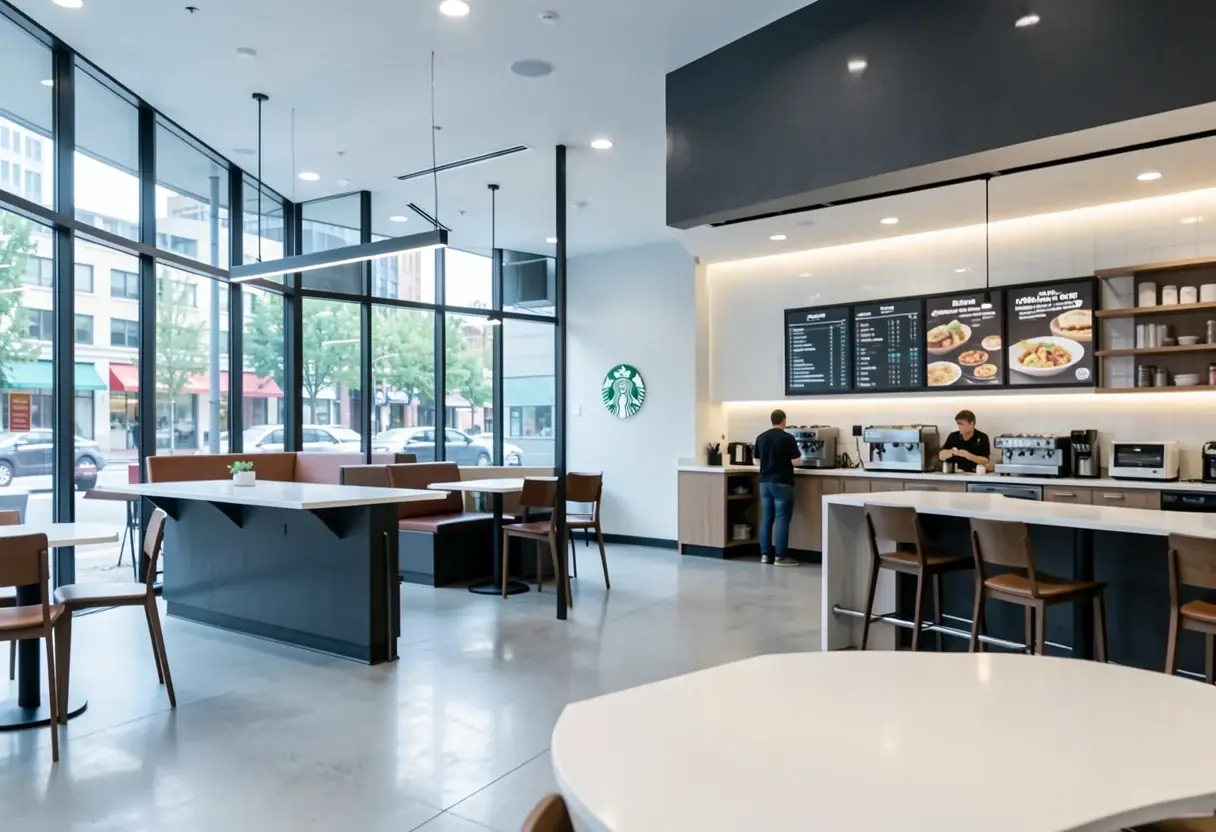
Starbucks is paying its first $300 quarterly bonus to nearly 80% of eligible baristas at its North American company-operated coffee shops this week, part of a performance-based reward program that can put up to $1,200 per year in a barista's pocket.
The company announced the payout on Thursday, calling it the first installment of the "Best of Starbucks Reward." The payments hinge on whether a store meets or exceeds sales, operational and customer service metrics — tying cash compensation directly to unit-level performance at a moment when Starbucks is leaning hard on improved in-store execution.
"We have strong momentum in our Back to Starbucks plan, and coffeehouse partners are part of that progress," the company said in a post on its website.
The Seattle-based chain, which employs roughly 200,000 full- and part-time workers it calls "partners," has been stacking financial benefits this year as it works to stabilize labor costs against record-low turnover. Baristas received Bean Stock grants earlier this week. Starbucks has handed out stock grants to hourly workers since 1991 — more than $2.75 billion worth before taxes — and was the first retailer to offer such grants to hourly employees.
Digital tipping has added another layer. Since July, when Starbucks expanded tipping to credit card payments through its app and to scan-and-pay at the register, workers have collected some $22 million in additional tips through digital channels.
What does the package actually total?
Stack the pieces together and Starbucks says its average compensation and benefits package for hourly workers is worth $30 per hour — a figure the company claims is among the best in retail. The investment appears to be paying off on the labor side: nearly 1 million people apply for barista roles at Starbucks every year, and the chain reports turnover at record lows, far below the industry average.
That stability matters because the bonuses weren't triggered by generosity alone. They were earned by stores hitting their numbers, and the numbers have been improving fast. Starbucks posted 7.7% same-store sales growth last quarter, its fiscal fourth period, marking the fourth consecutive quarter of growth. Better store performance is precisely what qualified most baristas for the first payout.
Why the timing works for operators
The structure is worth noting for anyone watching restaurant labor economics. Instead of across-the-board wage increases that raise the labor percentage permanently, Starbucks is layering variable pay on top of base wages — bonuses that scale with store results, stock that vests over time, and tips that cost the company nothing to disperse. When sales soften, the bonus outlay softens with them.
The timing also aligns with a difficult stretch for chain restaurants broadly. Chain restaurant sales slowed again in 2025 as consumers pulled back on dining, with only a handful of sectors — coffee, beverages and snacks, and chicken — posting real strength. Starbucks sits squarely in one of the winning categories, and it is converting that category tailwind into performance-linked compensation.
The mechanics behind the bonus program reflect the company's broader operational thesis: the "Back to Starbucks" turnaround plan depends on faster, better-run stores, and workers who share financially when stores hit their targets have a direct stake in that outcome.
With the first quarterly payments now in paychecks, the test for the next three quarters is straightforward — whether stores keep clearing the sales, operations and service bars that unlock the remaining $900 of a barista's potential annual payout.
More from Daniel Okafor
Show full bio
Correspondent covering companies, deals and strategy in Restaurant and hotel operations at The Pass Brief.
694 articles