Myles and Jun Yakitori closes original Summerville location
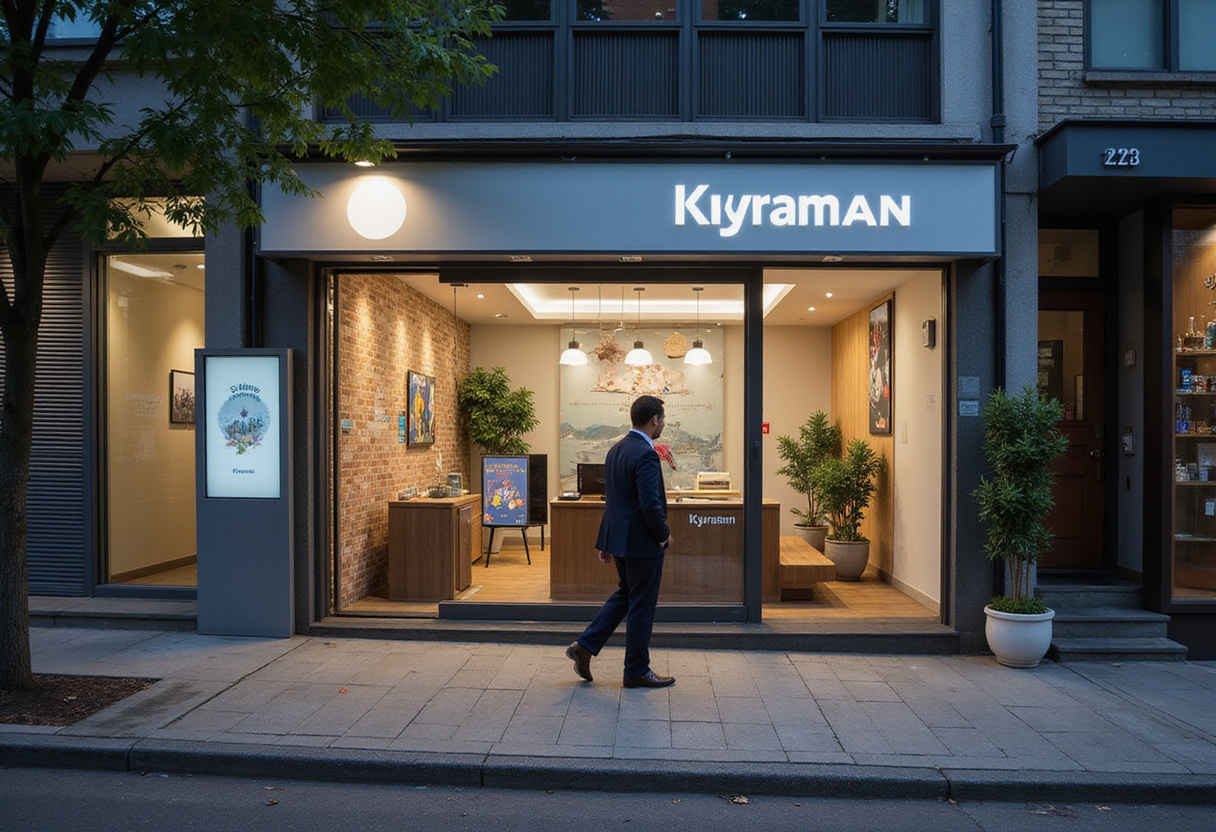
Japanese yakitori concept Myles and Jun Yakitori has vacated its original Summerville, S.C. restaurant location but will continue operating within the same town, according to the Post and Courier. A new address has not been released.
Summerville's Myles and Jun Yakitori has vacated the original address where the Japanese skewer concept first opened, ending one chapter of the operation while keeping the brand inside the same South Carolina market. The Post and Courier reported the move as a relocation rather than a withdrawal from the town's dining scene.
Specifics on the new address, square footage, target opening date, and any build-out cost were not disclosed in the initial report. The operator has not publicly identified a successor site, leaving a window of operational uncertainty that single-unit independents in secondary markets typically try to compress.
How a yakitori operation runs economically
A yakitori-focused concept typically builds its menu around a narrow band of chicken and offal skewers cooked over binchotan charcoal, supplemented by a short list of kushiyaki, sides, sake, and highballs. The format is labor-intensive: a single grill master often controls pace and yield, and the per-cover check tends to track below full-service Japanese izakayas, with revenue concentrated in beverage attach and skewer turns during peak hours.
For a single-unit operator in a secondary market like Summerville, kitchen and bar economics turn on a handful of variables — binchotan cost and freight, poultry trim yield, sake and shochu wholesale pricing, and a labor percentage that typically runs higher than a comparable American casual concept because of the live-fire skill set. Margin protection usually depends on controlling poultry trim waste, training a tight grill team, and pushing the bar program hard enough to offset food costs that run in the high-20s to mid-30s as a percentage of sales.
Why a Summerville move makes sense
Summerville, part of the Charleston, S.C., metro, has absorbed steady residential growth and become a destination for independent concepts priced out of downtown Charleston real estate. Operators who launched in strip-center or adaptive-reuse locations along the town's original corridor frequently face the same decision point: renew an expiring lease at market-rate escalators, or relocate to a footprint with better ventilation, parking, and grease-trap infrastructure for a live-fire kitchen.
A move within the same trade area preserves the existing customer base, cuts marketing reintroduction costs, and lets the operator carry over liquor-license timing. The trade-off is build-out capital, downtime, and the risk of losing regulars whose routines are tied to the old address.
For a live-fire concept, the build-out matters more than most. Charcoal exhaust, fire-suppression code, and hood-and-duct specifications drive a meaningful share of opening budgets, and operators who can carry kitchen equipment forward from the previous site gain a measurable capex advantage over a greenfield opening.
What to watch next
Key questions facing the Summerville dining community:
- Where in town will the new Myles and Jun Yakitori land, and what is the projected opening window?
- Will the menu and price points carry over, or will the new footprint justify a refreshed yakitori and sake program?
- How will the operator handle the gap between locations — pop-ups, catering runs, or a clean closure-then-reopen?
Until the operator confirms an address and an opening date, Myles and Jun Yakitori's Summerville story remains a relocation in progress rather than a farewell to the market. Watch for an updated liquor-license filing, which typically surfaces in county records before the brand announces a new site.
More from Daniel Okafor
Show full bio
Correspondent covering consumer brands and retail at The Pass Brief.
216 articles