Mumbai Restaurants Weigh 10-15% Menu Price Increases
Mumbai restaurant menus are set to rise 10-15% as input costs bite, marking a sector-wide shift from quiet cost absorption to visible repricing across the city.
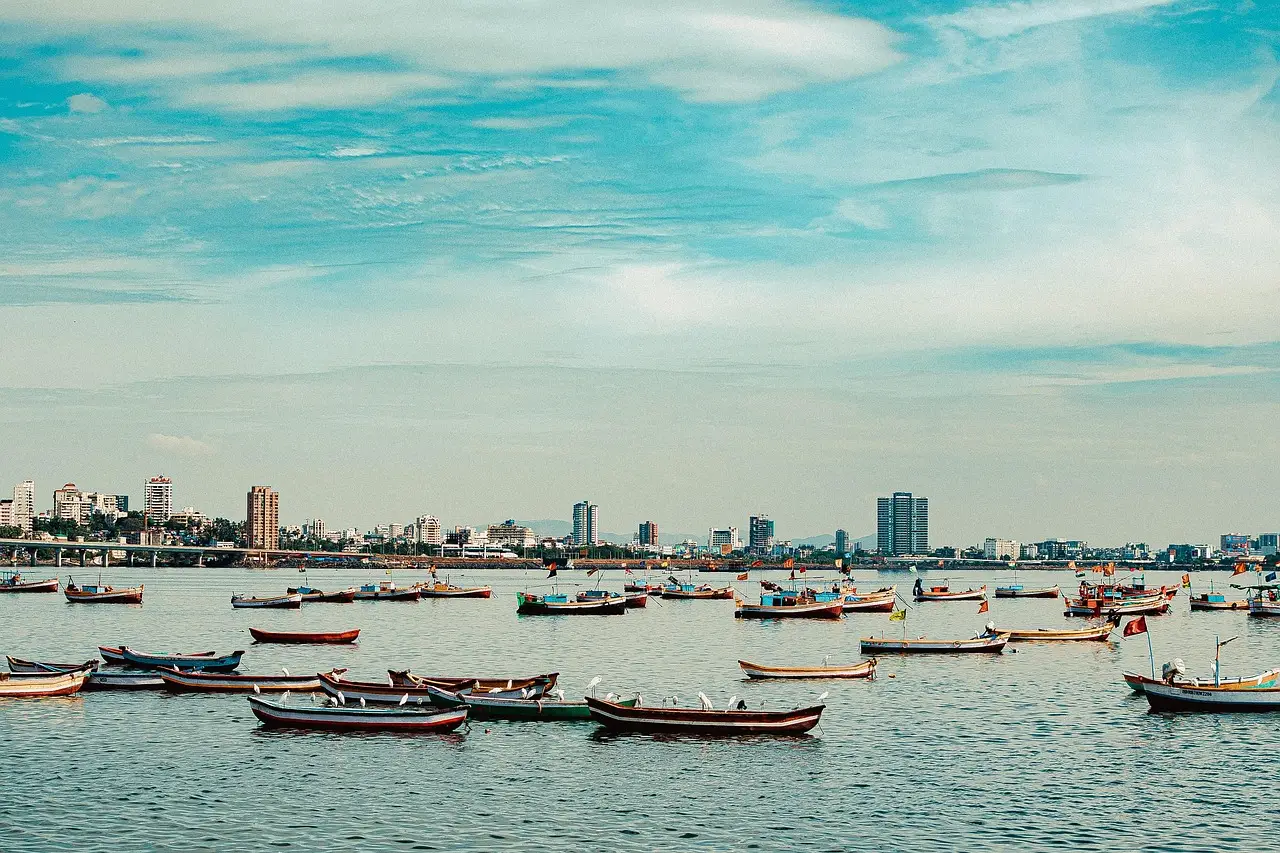
Mumbai restaurant prices are set to rise 10-15% as operators absorb climbing input costs, according to a report from Urban Acres. That's a meaningful jump for a market where eating out is already under pressure, and it signals that the city's operators have run out of room to absorb costs internally.
A double-digit increase doesn't arrive in one move, usually. Operators typically spread it across menu categories, weighting it toward items with more pricing elasticity and shielding traffic drivers like staples and beverages. Whether Mumbai's restaurants follow that playbook matters for how much volume they give up in exchange for margin.
What does this change for operators?
The practical question is simple: can a 10-15% price increase stick without breaking traffic? In most markets, the answer depends on how much of the rise is driven by genuine cost inflation versus margin repair. Urban Acres frames this round as costs "biting" — language that suggests operators are passing through increases they can no longer absorb through supplier negotiations or portion engineering.
When input costs climb faster than menu prices, restaurants face three levers: reprice, re-engineer the menu, or rework sourcing. A published 10-15% range implies the industry has largely exhausted the first two quietly and is now moving to visible repricing. That's typically the last step, and the one most likely to reach the guest.
For a household that spends, say, 3,000 rupees a month dining out, a 15% increase works out to roughly 450 rupees more per month — about 5,400 rupees a year. That's the kind of arithmetic that changes visit frequency before it changes venue choice.
Why costs, not appetite, are driving this
The report ties the move to cost pressure rather than demand strength. That distinction matters for pricing strategy. Raising prices into strong demand is margin capture; raising them into cost inflation is margin defense, and it carries more risk if guests trade down or reduce visits.
Mumbai's competitive density cuts both ways. A crowded market gives diners alternatives, which caps how far any single operator can push. But when the whole market moves together — as a cost-driven, sector-wide increase implies — individual restaurants lose less share because there's nowhere cheaper to go.
Watch how the increase lands over the coming quarters. If traffic holds, the repricing sticks and margins recover; if covers fall, expect operators to lean harder on portion sizing, sourcing shifts and menu engineering to close the gap without further headline price moves.
More from Olivia Hart
Show full bio
Staff writer covering regulation, policy and their impact on Restaurant and hotel operations at The Pass Brief.
464 articles