McDonald's CEO expects high inflation and weak traffic to persist
McDonald's CEO expects high inflation and lackluster traffic to persist, CNBC reports, signaling planning for prolonged pressure across the chain's franchised system.
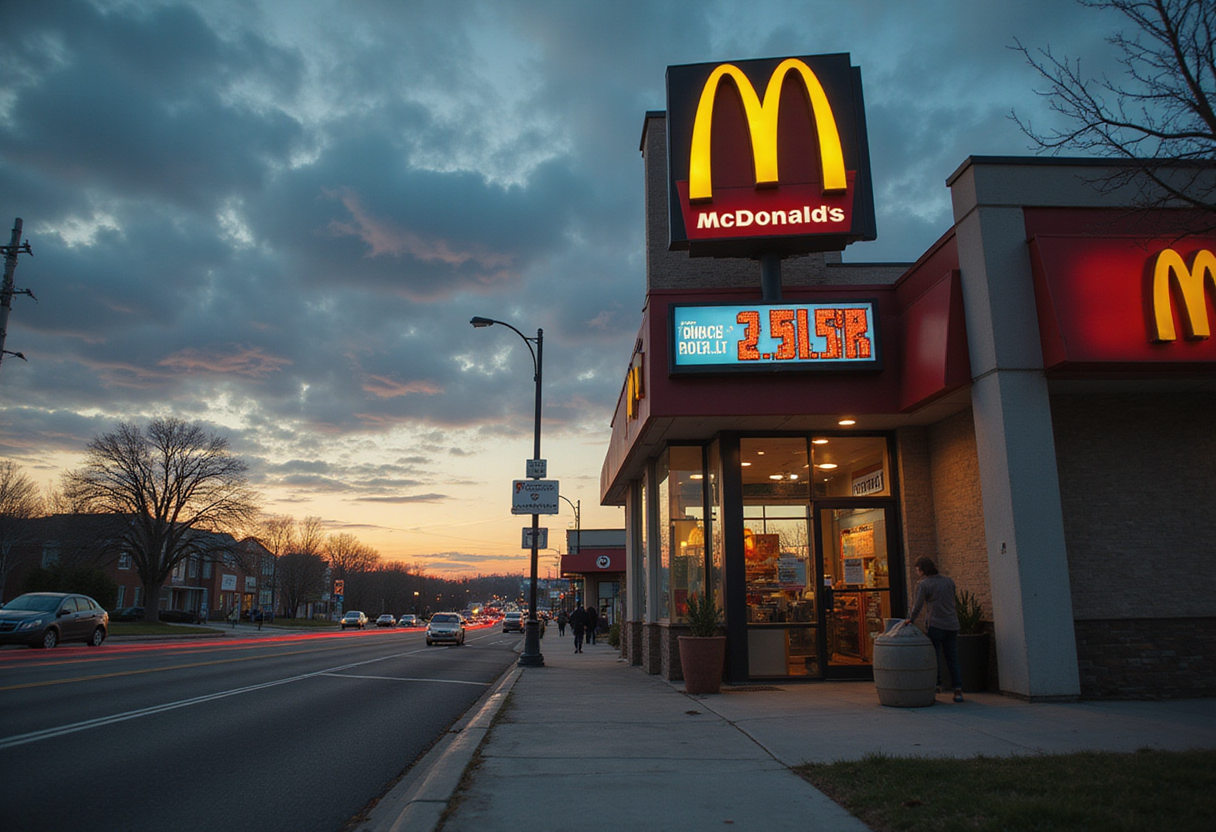
McDonald's chief executive expects high inflation and lackluster customer traffic to stay, according to a CNBC report — a signal that the burger giant is planning for a prolonged squeeze rather than a short downturn.
The statement matters because of who made it. When the CEO of the largest U.S. burger chain calls current conditions permanent, franchisees, suppliers and investors adjust. The framing shifts planning from recovery to adaptation.
What did the CEO actually say?
CNBC reported that McDonald's CEO expects both elevated inflation and weak traffic to endure. The report centers on the executive's own outlook, not on a single quarter's results. McDonald's operates a heavily franchised system, so pricing decisions sit largely with franchisees, not the corporate parent.
That structure matters here. Corporate guidance can shape expectations, but franchise operators carry the cost side — labor, food inputs, utilities — and set menu prices in their markets.
Why the traffic claim deserves scrutiny
Weak traffic across fast food is well documented. The question is duration. Executives have incentive to lower expectations before earnings calls, so a public prediction of persistent pressure may serve that purpose as much as it reflects forecasting.
The report does not specify a timeline. It does not break out company-operated versus franchised performance, nor does it quantify how much traffic has fallen. Those gaps leave room for the situation to prove either better or worse than the executive's framing suggests.
How does inflation shape the operator's math?
For a franchised system, sustained inflation pressures three lines at once: cost of goods, wage rates and menu pricing. Franchisees must raise prices to protect margins, yet price increases are a likely driver of the traffic softness the CEO now expects to continue. The two problems feed each other.
That dynamic explains why a CEO would call the condition lasting. Breaking the cycle would require either input costs easing or value offers strong enough to rebuild visits without eroding franchisee economics — a balance the industry has spent more than a year trying to strike.
What comes next
Watch upcoming earnings commentary for whether McDonald's pairs this outlook with specific value-platform commitments or franchisee support measures. An expectation of permanent pressure only becomes a strategy when the company states what it will change; until then, it is a forecast with a caveat attached.
More from Marcus Bennett
Show full bio
Market editor covering technology and product news in Restaurant and hotel operations at The Pass Brief.
326 articles