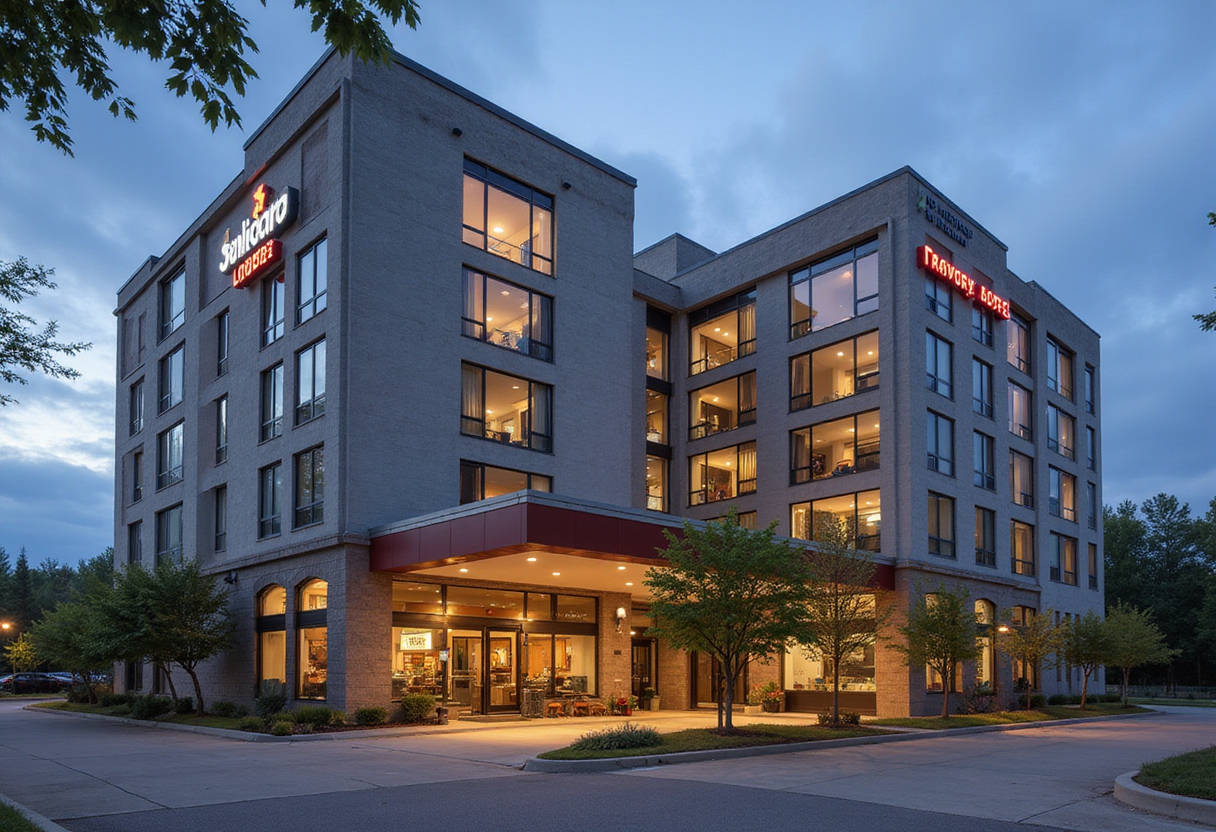
Lythe Hill Hotel & Spa Sold to Dubai Family Office, Caterer Reports
The Caterer reports Lythe Hill Hotel & Spa has been sold to a Dubai-based family office. The headline carries no purchase price, no seller identity, and no closing date, leaving UK hospitality observers to read the trade filing as a single confirmed data point rather than a full
The Caterer, the United Kingdom hospitality trade publication, reports that Lythe Hill Hotel & Spa has been sold to a Dubai-based family office. The headline carried no purchase price, no prior owner, and no closing date.
That single named counterparty is the extent of the public record as of the filing. Three transaction fundamentals remain unreported.
What The Caterer disclosed
- Lythe Hill Hotel & Spa as the asset
- Dubai family office as the buyer
- Trade-press sourcing rather than a parties' press release
What The Caterer did not disclose
- The purchase price
- The seller's identity
- The completion date
What does the report leave unanswered?
The headline names a buyer. It does not name a seller. Without a seller, the reader cannot determine whether this represents a strategic exit, a financial sponsor's fund-life wind-down, or an estate settlement.
Lythe Hill trades under its own brand as a hotel and spa. That is an asset class with periodic Gulf state appetite. Trophy real estate within reach of Heathrow and central London carries appeal for regional family offices deploying permanent capital across generations.
How does a family office purchase differ from a private equity deal?
Family offices deploy multi-generational capital. They do not face fund-life exits. They do not require IRR-driven returns within five to seven years. Private equity hospitality vehicles carry refinancing covenants and exit timing pressure.
The Caterer report does not state whether the Dubai office acquired the freehold only, the operating company only, or both. That structural detail controls the tax treatment, the lease terms, and the operator's flexibility to rebrand or renovate.
What is the likely valuation framework?
UK country house hotel transactions typically clear at multiples of 7 to 10 times adjusted EBITDA. The Caterer carried no revenue figure and no EBITDA figure for Lythe Hill. Without those, no implied valuation can be drawn from the trade-press account.
For sector context, single-property country house hotels in southeast England often post occupancy in the 55 to 70 percent range across the year, average daily rates between £150 and £280, and labor cost percentages above 30 percent of revenue. These are sector benchmarks, not Lythe Hill specifics. The asset's own metrics remain private.
What changes for the staff and the brand?
The Caterer report carries no comment from the seller or from on-property leadership. That silence leaves the operating plan unresolved. A family office buyer may retain incumbent management for years.
Alternatively, the new owner may rebrand, expand the spa footprint, or layer in F&B repositioning. Each path produces different margin outcomes, different labor structures, and different supplier agreements for produce and beverage.
Until a closing statement appears, the only confirmed record is narrow and final: a Dubai family office now holds Lythe Hill Hotel & Spa, and the trade publication reported it as such. Further details will surface when the buyer or seller is willing to put a number, a date, and a name on the deal.
More from Marcus Bennett
Show full bio
Market editor covering technology and product news in Restaurant and hotel operations at The Pass Brief.
401 articles