Long Dinners Are Back, and Dwell Time Is the New Sales Metric
Guests are lingering longer over dinner, and the reversal puts table turnover — a core lever of full-service economics — against rising per-check spend across the industry.
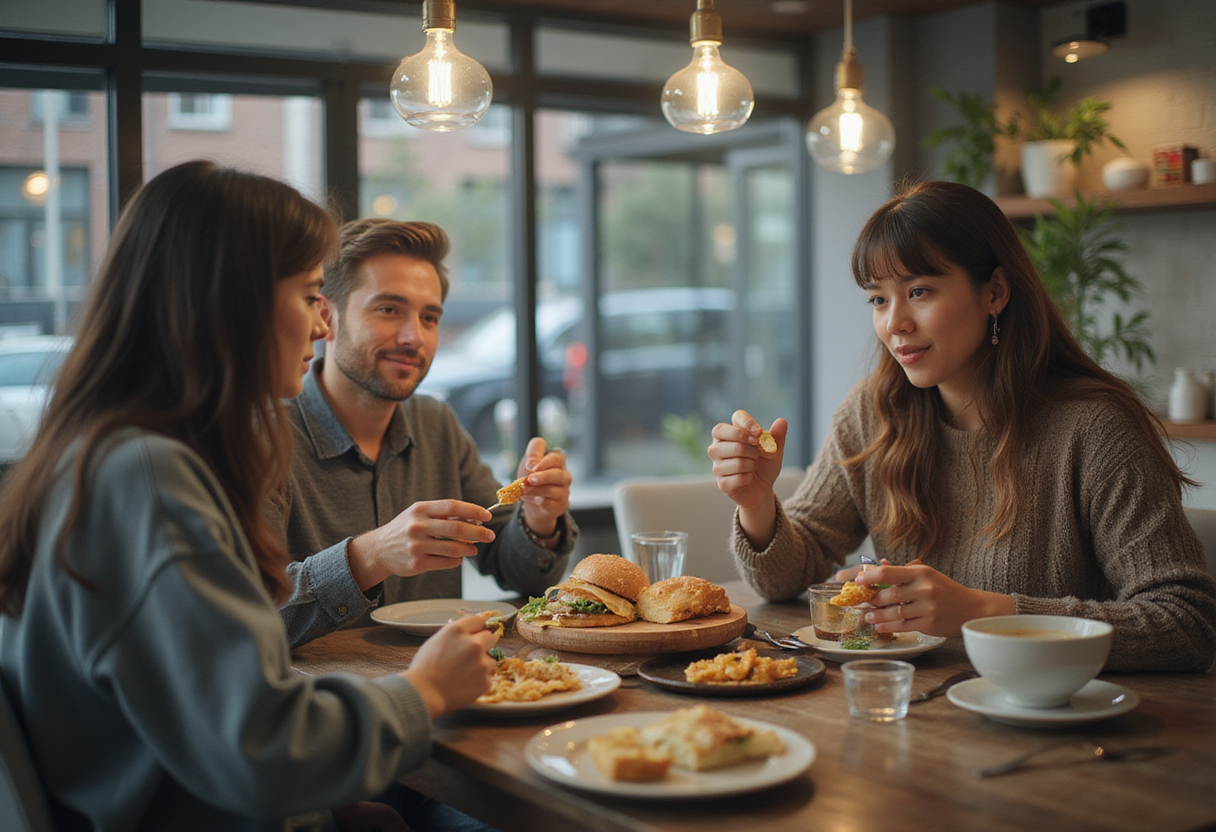
Guests are once again stretching dinner service well past the conventional 60-to-90-minute window, and the shift puts table turnover — a core lever of full-service restaurant economics — in direct tension with rising per-check spend.
The trend, flagged in a new BBN Times analysis titled "The Return of the Long Dinner: Why People Are Spending More Time at the Table," describes diners lingering longer over meals, a behavioral reversal after years in which many casual-dining chains raced to compress service times through kiosks, QR ordering and expedited courses.
What does longer dwell time change for operators?
For full-service restaurants, revenue per available seat hour depends on two inputs: check average and table turns. When guests stay longer, the second input falls. That math forces operators into one of three responses:
- Raise menu prices or push premium add-ons so each seat generates more revenue per hour, even with fewer turns.
- Engineer menus and pacing — coursed formats, shared plates, digestifs — that monetize the extra time instead of fighting it.
- Accept lower capacity on peak nights and build staffing and kitchen models around longer ticket times.
The sourcing implications follow directly. A coursed, extended-dinner format rewards ingredients that hold and plate well across longer sequences: charcuterie, aged cheeses, slow-fermented breads and cellar-temperature wines. Operators shifting to that format typically rebalance purchasing toward those categories and away from items built for speed.
Who pays for the slower turn?
Labor is the pressure point. Longer dwell times extend server coverage per table, which raises labor minutes per guest even when the check climbs. Operators absorbing the trend face a choice between scheduling more labor hours per cover, raising menu prices to protect prime-cost percentage, or both.
Technology built for fast casual — ordering kiosks, pay-at-table tablets aimed at cutting checkout friction — sits awkwardly with this behavior. Guests who want to linger are not rushing to close their tabs, so the systems operators deployed to shave minutes off each visit may deliver less value at full-service dinner than at lunch, where speed still drives volume.
Why now?
The BBN Times analysis frames the shift as part of a broader post-pandemic reordering of how consumers value restaurant visits: the meal functions increasingly as the evening's main event rather than a stop before one. That reading tracks with the pricing power full-service chains and independents have reported on experiential formats — tasting menus, wine pairings, chef's counters — where the extended duration is the product being sold.
For operators, the strategic question is straightforward: whether to price and pace menus for guests who treat the table as a destination, or to keep engineering for turnover and risk losing the highest-spending cohort. The BBN Times piece suggests the lingerers are winning, and operators that learn to monetize the hours — rather than reclaim them — will hold the margin advantage.
More from Marcus Bennett
Show full bio
Market editor covering media and advertising at The Pass Brief.
249 articles