London's Oldest Restaurant, a Dickens Haunt, Wins Heritage Protection
London's longest-running restaurant, frequented by Dickens in the 19th century, has been granted protected heritage status — a structural constraint that will outlast any current operator and reshape refit economics.
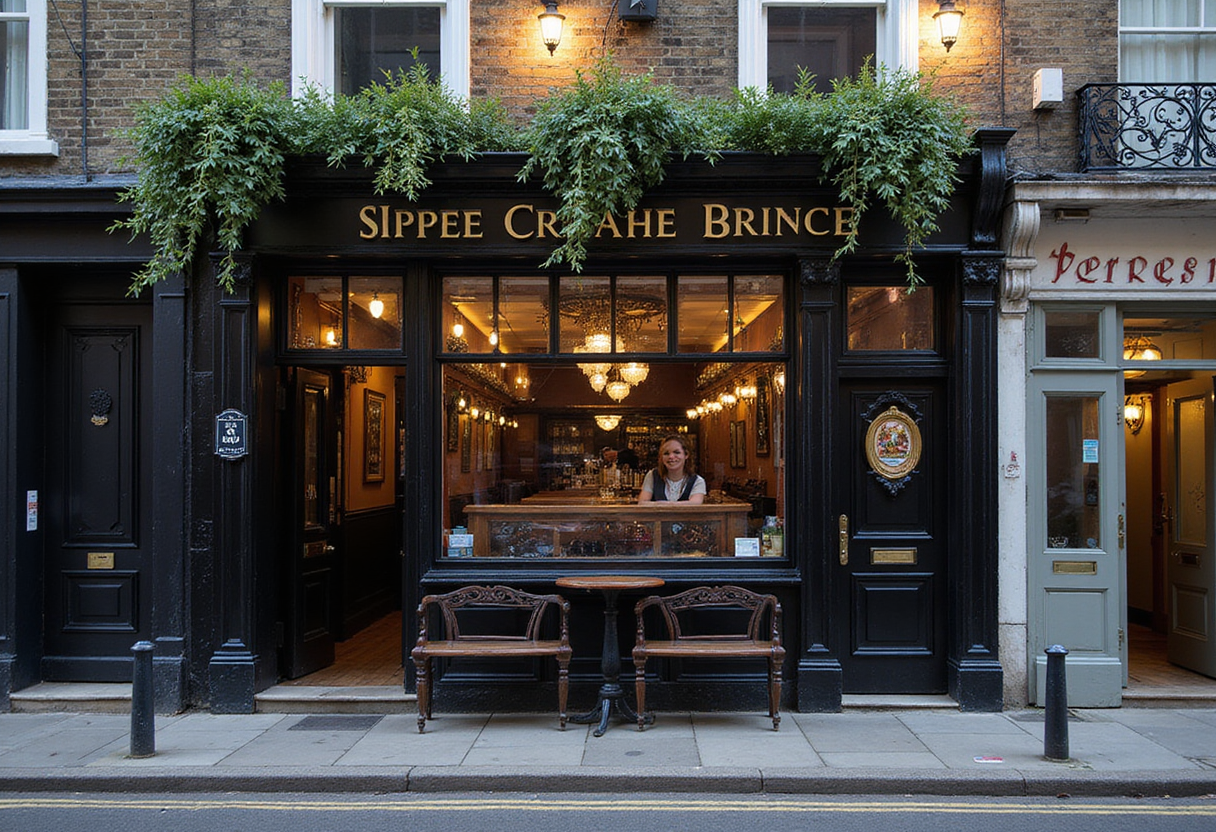
London's longest-running restaurant — a venue Charles Dickens counted among his regular haunts — has won protected heritage status, locking the building into preservation rules that will outlast any current operator.
The dining room, which traces its service back further than any other in London, has joined a heritage register. The designation stops demolition or significant exterior alteration without government sign-off. For the owner, that caps how the site can be redeveloped. For the operator, it changes the lease math on every refit cycle from here forward.
What does the listing actually change?
Heritage protection doesn't touch the kitchen. Menu, staffing and check average stay under operator control. What's restricted is the building fabric — facade work, structural changes and significant interior alterations now need listed-building consent. A new owner buying the site inherits those limits along with the dining room's history.
For a hospitality operator, that's a familiar trade. Heritage status preserves brand equity: the dining room's past becomes part of the marketing pitch. But it raises renovation costs and lengthens approval timelines. Contractors working on listed buildings typically charge premiums over standard refits because approved materials and traditional craft skills are scarcer.
Why the Dickens link still matters at the till
The Dickens connection isn't literary trivia. It's foot traffic. Restaurants with documented cultural provenance pull a measurable slice of tourist trade, especially in cities where visitors book "historic dining experiences" as a booking category. International visitors are a key driver — tour operators bundle literary walks with meals at venues tied to canonical authors.
For an operator weighing capital plans, the math is straightforward: protected status trades redevelopment flexibility for built-in storytelling. The restaurant wins a marketing asset it could never buy with an advertising budget. It loses the option to add square footage, install a rooftop bar, or reconfigure the floor plan for higher covers per service.
How it shifts the property math
Heritage listing doesn't change a lease in place. It does change the property's market value in two opposing directions. The asset becomes scarcer — fewer buyers can take on a listed building without specialized expertise. At the same time, the buyer pool shrinks, often pushing prices below comparable unlisted hospitality real estate. It's a structural constraint on every lease negotiation that follows.
For the operator, the practical question is whether protection lifts average check or depresses property value. The answer usually depends on how well the operator leans into the heritage angle. A restaurant that markets the history, runs themed menus, and partners with walking-tour operators tends to lift check averages above neighborhood peers. It's the classic heritage-operator dilemma: pay more to maintain what you have, or sell to someone who'll lean into the story.
The forward read
The restaurant now sits in a small club of protected UK hospitality sites — a category that includes a handful of historic London pubs and one or two Edinburgh dining rooms. Operators watching the case will note how the next lease negotiation unfolds.
Heritage protection, once granted, doesn't expire. The constraint compounds with each refit cycle, and the marketing dividend usually depends on whether the operator treats the building's past as a feature or a fence.
More from Olivia Hart
Show full bio
Staff writer covering regulation, policy and their impact on Restaurant and hotel operations at The Pass Brief.
402 articles