London's New Traffic-Free Oxford Street Anchors WTTC's Growth Case
WTTC forecasts 3.1% European travel growth in 2026 and hails London's traffic-free Oxford Street as proof that government-backed tourism investment pays.
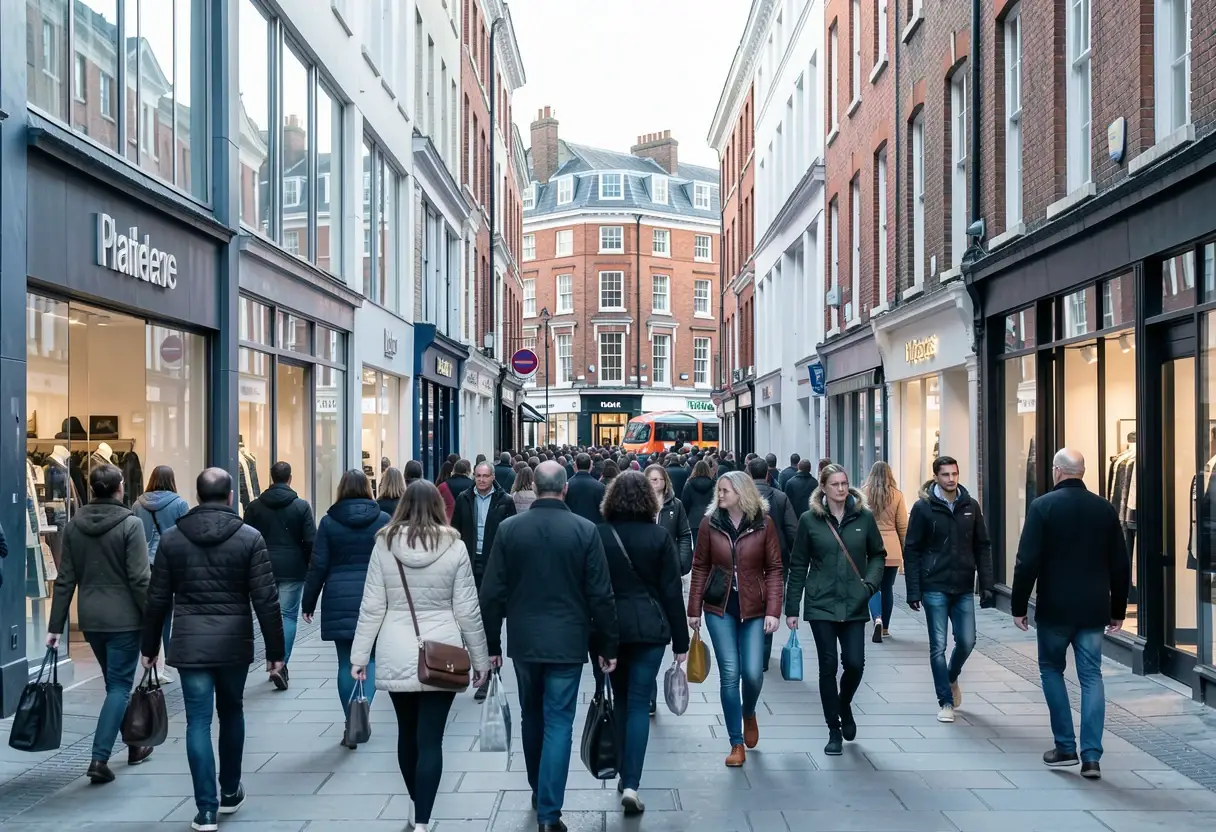
The World Travel & Tourism Council expects Europe's travel sector to grow 3.1% in 2026 — faster than the wider economy and above the 2.6% the sector recorded last year. The forecast lands as global industry leaders gather in London for World Travel Market, and WTTC has picked its host city as the exhibit A for what government-backed tourism investment can do.
Days before WTM opened, almost a kilometre of Oxford Street became permanently traffic-free. The Mayor of London, Sadiq Khan, delivered the scheme through the Oxford Street Development Corporation, with support from the UK Government. For WTTC, the timing is the message.
Why London is the model
WTTC points to the numbers behind the pedestrianisation argument. London welcomed an estimated 16.4 million international visitors in 2025, one of the highest visitor totals of any city worldwide. The city isn't chasing demand — it's rebuilding the physical product around it.
Khan framed the street conversion in economic terms, not aesthetic ones. "It is a truly momentous occasion for the capital," he said. "Revitalising Oxford Street will boost jobs and economic growth in the capital, unlock the full potential of this key part of the West End, and help build a better, greener and more prosperous London for everyone."
What the global picture looks like
WTTC's latest Economic Impact Research sizes the prize for destinations that invest:
- International visitor spending across Europe is set to rise 5.8% in 2026.
- The sector worldwide should contribute a record US$11.9 trillion to the economy.
- That equals 9.9% of global GDP.
- Travel & tourism supports 375 million jobs worldwide — one in every nine jobs on the planet.
Put differently, if the sector were a country, its output would rival the largest economies on earth. And the hiring engine is accelerating rather than maturing.
What does this change for operators?
The labor question sits at the center of WTTC's pitch. Gloria Guevara, WTTC's President & CEO, said the sector is set to create around one in three of all new jobs worldwide over the next decade — but she was explicit that the growth isn't guaranteed.
"That growth is never automatic," Guevara said. "It depends on governments putting the right conditions in place, from connectivity and infrastructure to skills."
For hospitality operators, that's the practical takeaway. Destinations that fund infrastructure, workforce skills and connectivity expand the customer base and the labor pool at the same time. Destinations that don't will watch the 3.1% growth pass them by.
The ask going forward
WTTC is calling on governments to follow London's lead, backing the sector with investment in four areas: infrastructure, skills, sustainable destination management and connectivity. The organization represents the global travel and tourism private sector, with 200 CEOs, chairs and presidents of leading travel companies among its members.
London's bet — that removing cars from a retail artery converts foot traffic into visitor spending — will be watched closely. If the Oxford Street model delivers measurable returns, expect other capitals to copy the blueprint.
More from Olivia Hart
Show full bio
Staff writer covering regulation, policy and their impact on Restaurant and hotel operations at The Pass Brief.
558 articles


