Lodging Conference: Optimism Returns, but the Growth Playbook Has Changed
Hotel owners and brands left the Lodging Conference in Phoenix with a two-part message: deal volume is thawing, but the cost stack that built the last cycle isn't coming back.
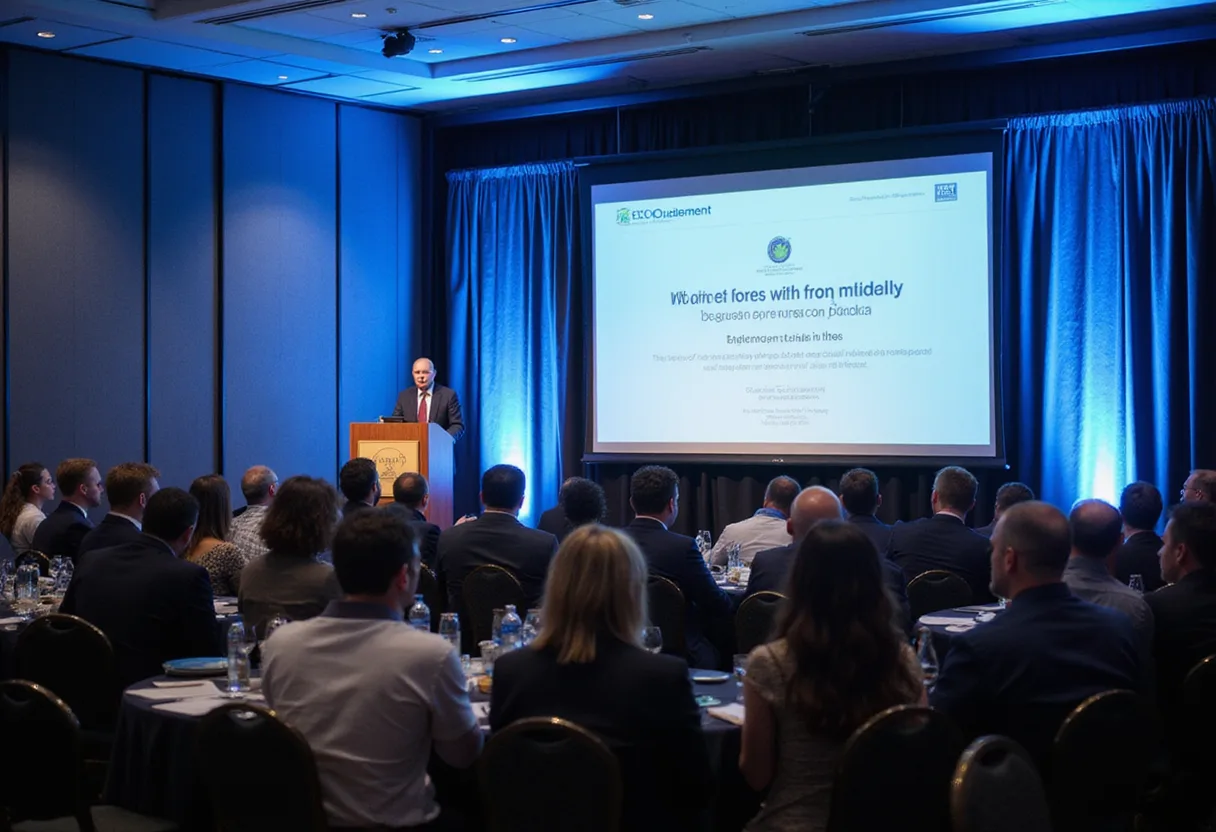
The Lodging Conference wrapped in Phoenix this fall with hotel owners, brands and capital partners carrying roughly the same message into the hallways: deal volume is thawing, lender appetite is returning, and yet almost nobody on the underwriting side is penciling new deals the way they did two years ago.
That is the through-line from Hospitality Net's coverage of the gathering. Optimism is back. The rules have changed. Both halves of that sentence matter.
What does "optimism is back" actually look like at the unit level?
For the better part of 18 months, the U.S. lodging industry ran on adrenaline and adjusted expectations. RevPAR eked forward on rate while occupancy lagged. New-construction starts fell sharply, weighed down by a debt market that priced risk the way it priced risk in 2020. Lenders pulled back. Equity partners who once chased growth flags now wanted yield. The deal pipeline didn't disappear so much as it slowed to a trickle.
At the conference, operators described a market that has finally tilted. Capital is moving again. Buyers are back in the room for the right assets in the right markets. Brand growth teams, which spent two years thawing out their pipelines, are watching approvals convert to openings at a steadier cadence. The mood, by every account from the floor, was noticeably lighter than the same meeting a year ago.
So what changed about the rules?
Almost everything that used to be cheap is now expensive. That is the undercurrent running through every panel and every hallway conversation. Construction costs for a select-service hotel have settled well above pre-pandemic baselines. Insurance premiums in many Sun Belt markets have climbed sharply. Labor, the line item nobody can engineer around, has reset at higher baselines in markets where housing costs force it. The interest-expense line on a typical hotel's P&L sits materially heavier than it did in 2021.
Put those together and the operator's P&L doesn't look like the operator's P&L of 2019. A growth model built on cheap debt, cheap builds and labor that could be staffed at will no longer pencils. The rules — the underwriters' rules, the brand-expansion rules, the feasibility-study rules — have been rebuilt around a cost stack that nobody expects to retrace.
What does this change for owners and operators in practice?
It changes what gets built, where it gets built, and how it gets financed. Three shifts stood out across the agenda:
- Conversions are winning ground against ground-up construction in markets where land and hard costs no longer cooperate.
- Adaptive reuse projects — office towers, retail boxes, even some older hotels — are pulling capital because they compress timelines and reset basis.
- Capital is concentrating in fewer hands: institutional buyers with low-cost debt, family offices that can wait, and REITs that already own the dirt.
For the operator on the ground, the practical question is whether the rebound in top-line demand holds long enough to absorb the higher cost stack. Conference speakers were clearly betting yes. The reservation books for the next two quarters support that bet. The longer answer depends on whether labor costs finally flatten and whether insurance markets cool — neither of which is in any operator's control.
The forward read is straightforward. The optimism is real. The growth it funds will look different from the growth that defined the last cycle, and the operators who internalize that difference first will be the ones writing the next chapter of the industry's expansion.
More from Daniel Okafor
Show full bio
Correspondent covering companies, deals and strategy in Restaurant and hotel operations at The Pass Brief.
401 articles