Leafy Greens Shortage Hits Restaurant Supply, Operators Scramble
A leafy greens shortage is disrupting restaurant supply chains, The Star reports, hitting perishable menu staples that operators cannot easily substitute or stockpile.
A leafy greens shortage is causing headaches for restaurants, according to a report from The Star, and operators now face a familiar squeeze: higher input costs on produce categories that menu formats cannot easily absorb.
The report confirms the shortage itself but offers little else. It does not quantify the price increase. It does not name affected suppliers, growing regions, or chains. That absence matters. Shortage claims circulate often in produce. Some hold up at the receiving dock. Others dissolve before the invoice arrives.
What do operators actually face?
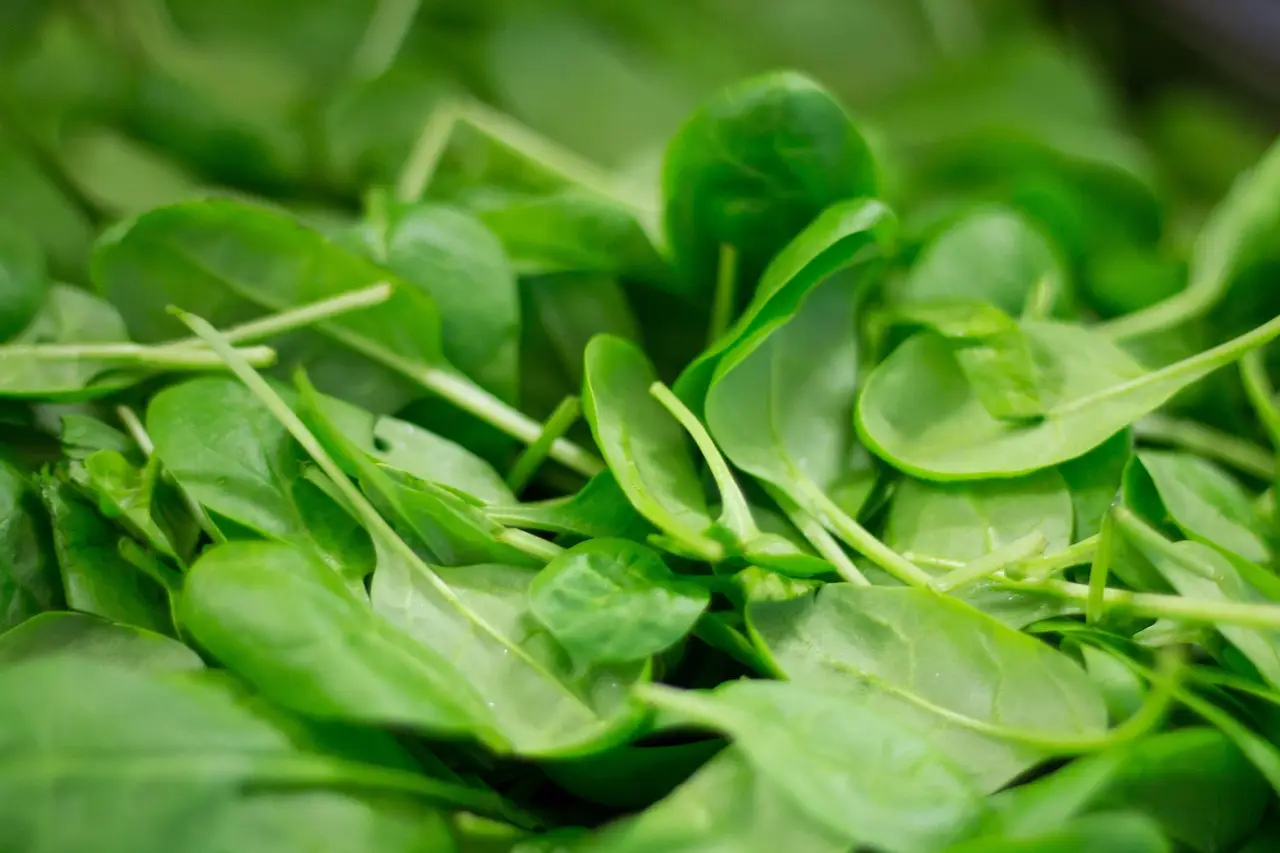
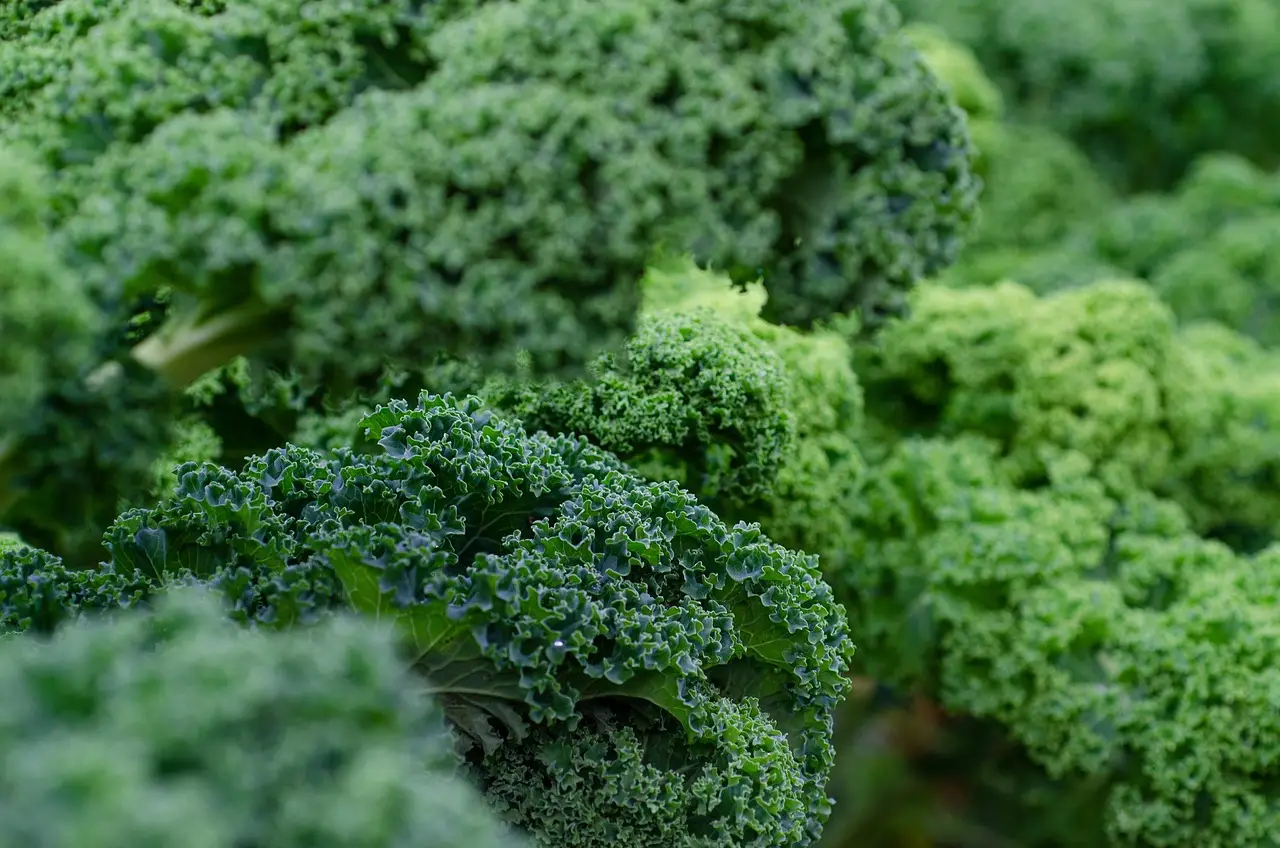
Leafy greens sit at the center of the plate in ways that make substitution costly. Salads, garnishes, sandwich builds, and taco programs all depend on romaine, iceberg, spinach, and blended spring mixes. When those items tighten, three cost lines move at once:
- Cost of goods. Produce typically runs a mid-single-digit share of total food cost at full-service restaurants. A spike in one category can push the whole line over budget without any change in volume.
- Waste. Short supply often means poorer quality on arrival. Operators either accept higher trim loss or reject deliveries and run items out of stock. -86'd menus.** Removing a salad or garnish removes revenue. Operators rarely raise prices fast enough to offset a short-run supply gap.
The Star does not say which of these pressures is driving restaurant complaints. Readers should treat the mechanics above as standard playbook, not confirmed detail from this report.
Why shortages in greens hit harder than in other categories
Greens are perishable on a timeline measured in days, not weeks. Operators cannot stockpile them the way they can freeze proteins or store dry goods. A supply gap becomes a menu gap almost immediately. That is the structural reason a leafy greens shortage hurts restaurants more than a comparable disruption in, say, canned tomatoes, which kitchens can bridge with inventory.
This perishability also limits menu engineering options. A burger can swap one cheese for another with little guest notice. A Caesar salad cannot swap romaine for something else and stay a Caesar. The substitution math is narrow.
What the report leaves unsaid
The report does not state a cause. Weather events, disease pressure in growing regions, labor shortfalls at harvest, and transportation disruptions all produce similar symptoms at the restaurant level. Without a named driver, operators cannot judge how long the tightness will last, and distributors cannot set expectations for the next bid cycle.
It also does not distinguish between retail and foodservice channels. When supply tightens, growers often prioritize retail contracts because of volume commitments. Restaurants, which buy in smaller and more variable lots, frequently feel shortages first and recover last. Whether that pattern holds here remains unverified.
What operators should watch next
The practical indicators are invoice-level, not headline-level. Watch for rising case prices on romaine and spring mix over the next several weeks. Watch for quality downgrades and shorted deliveries. Watch for produce distributors adding surcharges or allocation limits, which typically signal a supply problem expected to persist beyond a single shipping cycle.
Operators with fixed-price salad builds on their menus carry the most exposure, because they cannot reprice an individual component. Those running seasonal or rotating greens programs have more room to substitute and reprice.
The Star's report establishes that the shortage is real enough to disrupt restaurants now. Whether it becomes a sustained cost event or a brief shipping gap is a question the report does not answer, and one that produce market data over the coming month will settle.
More from Marcus Bennett
Show full bio
Market editor covering technology and product news in Restaurant and hotel operations at The Pass Brief.
525 articles