Lazy Dog’s 51-unit no-alcohol program earns Bevvy recognition
Lazy Dog’s 51-location chain won a Bevvy Award for its no-alcohol menu, pairing mocktails, teas, lattes and scratch-made sodas with shared fresh ingredients that increase flow-through and freshness.
By Daniel Okafor
Lazy Dog Restaurants counts 51 restaurants and has won a Bevvy Award for Best Non-Alcohol Beverage Menu, a concrete win for the Costa Mesa, California-based casual-dining chain.
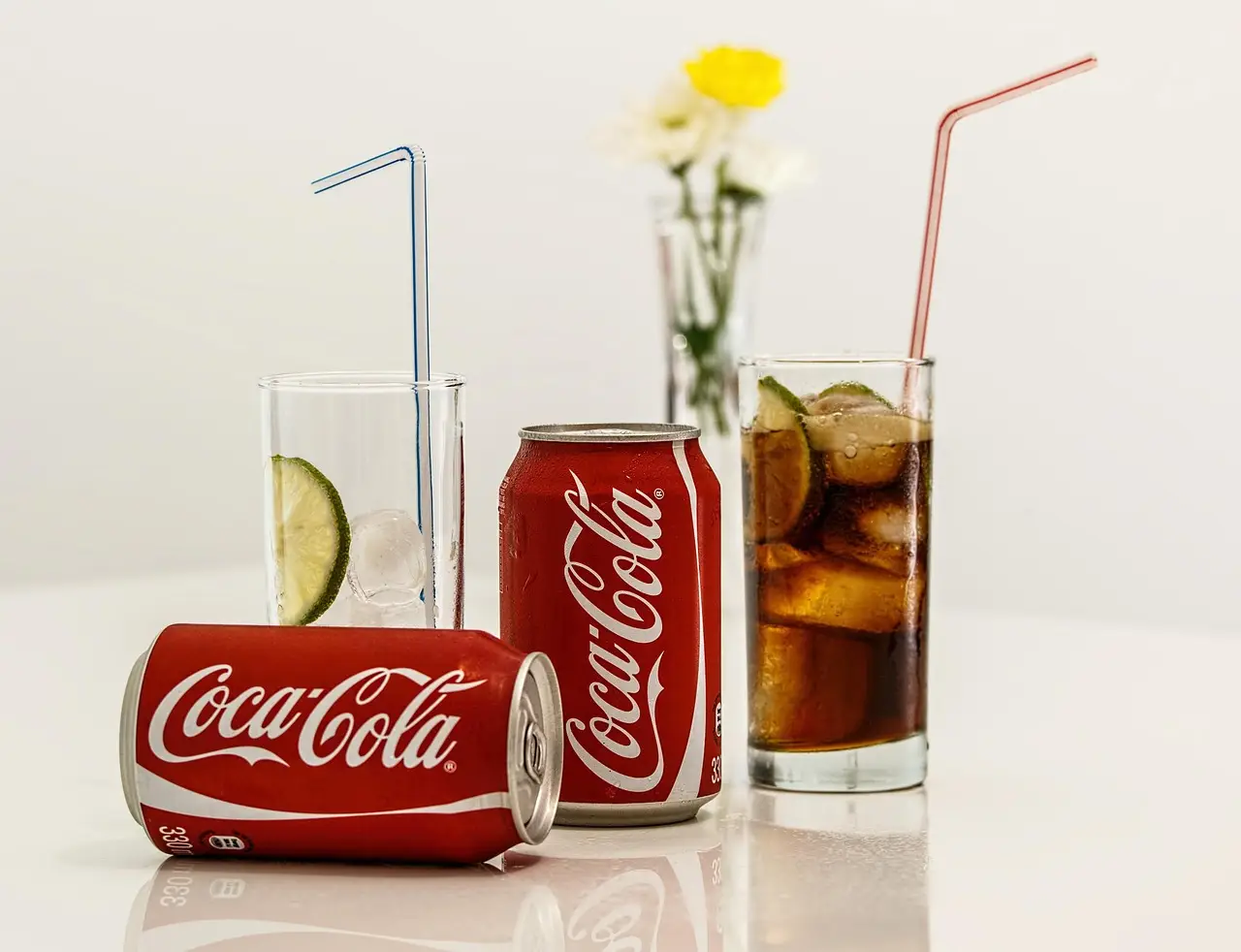
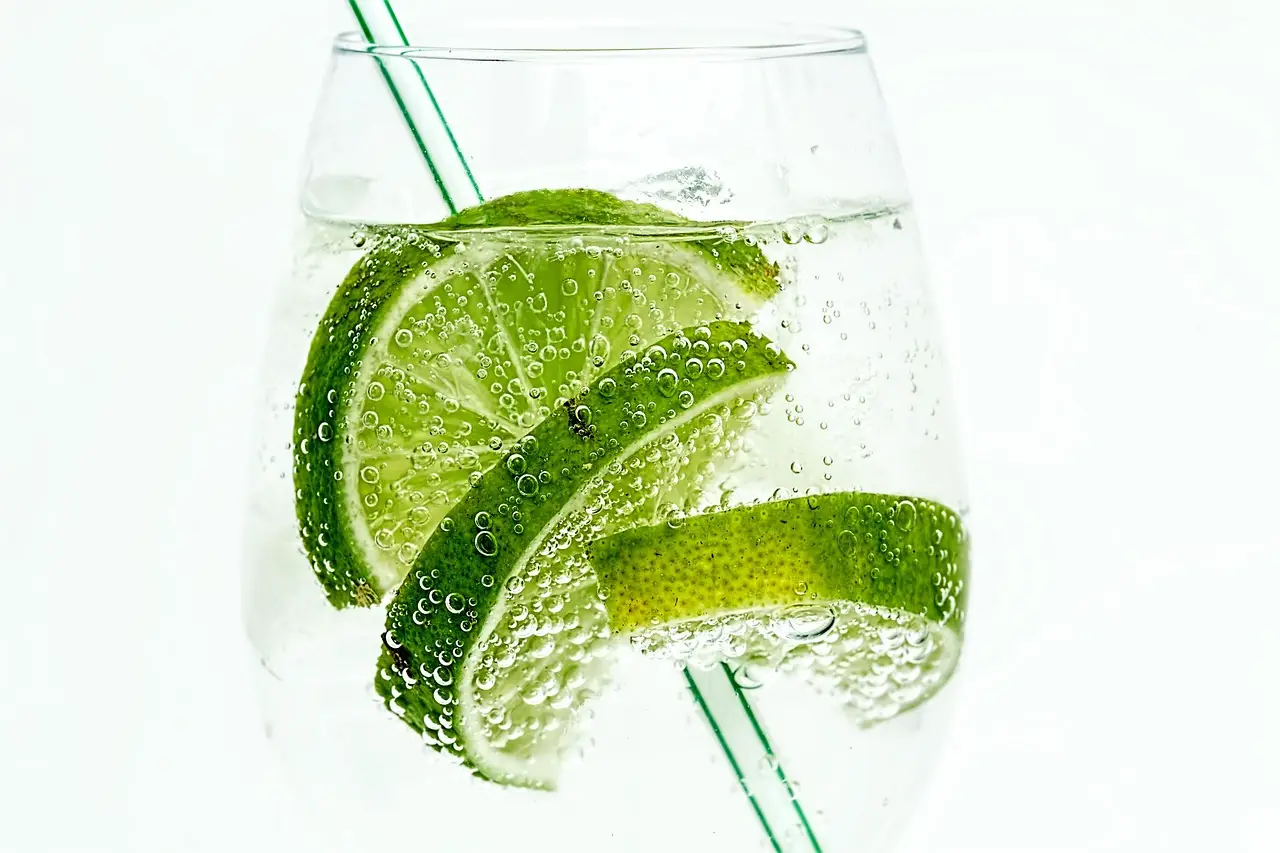
The program reaches beyond mocktails. Lazy Dog’s menu includes teas, lattes, sodas, lemonades and refreshers built around house-made ingredients, chef-driven technique, flavor profiles, eye-catching glassware and garnishes.
The chain’s food menu has long centered on innovative scratch cooking under cofounder and VP of R&D Chef Gabe Caliendo; its cocktail list also long earned high marks for creativity and quality.
“Fun kinds of lemonade have been on the menu for a while,” Caliendo said, adding that the bigger shift appeared around 2023, when liquor, wine and beer sales began to change course. Lazy Dog started developing alcohol-free beverages then and soon launched Twisted Sodas.
The Twisted Sodas take the dirty-soda form but rely on house-made purees and flavored creams, including huckleberry puree, coconut-lime cream and vanilla bean cream. Their popularity prompted a mocktail category, which Lazy Dog launched in 2025. Caliendo said the line was for a more serious non-alcohol drinker seeking more sophisticated glassware and garnishes.
In August, the chain rolled out an upscale tea and coffee program featuring a mango matcha tea and salted caramel latte, both served in elevated glassware.
Caliendo also developed signature alcohol-free spirits and elixirs. Fezcal, billed as a “faux mezcal,” is water-based and alcohol-free, with peppercorns and spices that give it a tequila- or mezcal-like taste when mixed. He also made a faux vodka for the Pomegranate Sour Fauxtini and other cocktails.
His no-alcohol Licor 43 takes a different route: fresh orange marmalade is strained into syrup, mixed with cold brew and poured into a bud vase with aquafaba foam and an orange slice for Lazy Dog’s signature Cold Brew Carajillo. Some fresh drink ingredients also feed the food menu.
Glassware is part of the sourcing strategy. Caliendo said he looks in the vase or ashtray section of catalogs to find fun glassware. Lazy Dog also sets aside specific glassware for non-alcoholic drinks, differentiating them from alcoholic options and reducing the chance that a guest receives the wrong drink.
What does cross-utilization change for operators?
Fresh prep does double duty. Lazy Dog’s central operating choice is to share ingredients rather than build parallel recipes for alcoholic and non-alcoholic drinks. The chain makes its own simple syrup, salted caramel and sweet-and-sour mix; the last combines fresh lemon, orange and lime juices with organic agave nectar and water.
That sweet-and-sour base goes into both the N/A Strawberry Jalapeño Mockarita, made with Fezcal, and traditional margaritas. During the summer peach promotion, an infusion of fresh sliced peaches went into a bourbon cocktail and a non-alcoholic drink. Some fresh drink ingredients also feed the food menu.
“The beauty is I am able to use these ingredients in our bar program in an alcohol version, then morph them into something that’s N/A for that drinker,” Caliendo said. He called the practice efficient and almost necessary because the chain is making fresh components; cross-utilization increases flow-through and helps them stay fresh.
For a high-volume, nationally based 51-restaurant group, that is a direct economic argument: one stream of fresh preparation can support several drinks and some food applications without duplicate component recipes. It also gives operators a way to respond to shifting alcohol preferences through sourcing and menu engineering, rather than treating the no-alcohol side as a token offering.
The label stays visible. Even though “mocktail” has a bad reputation in some circles, Lazy Dog does not hide the term. Caliendo said the straightforward label makes sense for a high-volume, national chain with a broad customer base, so guests know what they can order. That clarity gives a 51-unit program a simple sales proposition: a recognizable name paired with scratch-made ingredients and distinct presentation.
Technomic’s Top 500 found chain restaurant sales slowed again in 2025 as consumers cut back on dining, while coffee, beverages, snacks and chicken were among the sectors that thrived. Lazy Dog’s program puts an operating model behind that relative strength: shared fresh components, deliberate sourcing and high presentation standards.
Seasonality will guide the next round. For winter, Caliendo is exploring Bosc pears, fresh apples and purple ube. The near-term test is whether those ingredients can keep the program distinctive across 51 restaurants while preserving the cross-utilization economics behind the award-winning menu.
More from Daniel Okafor
Show full bio
Correspondent covering companies, deals and strategy in Restaurant and hotel operations at The Pass Brief.
589 articles