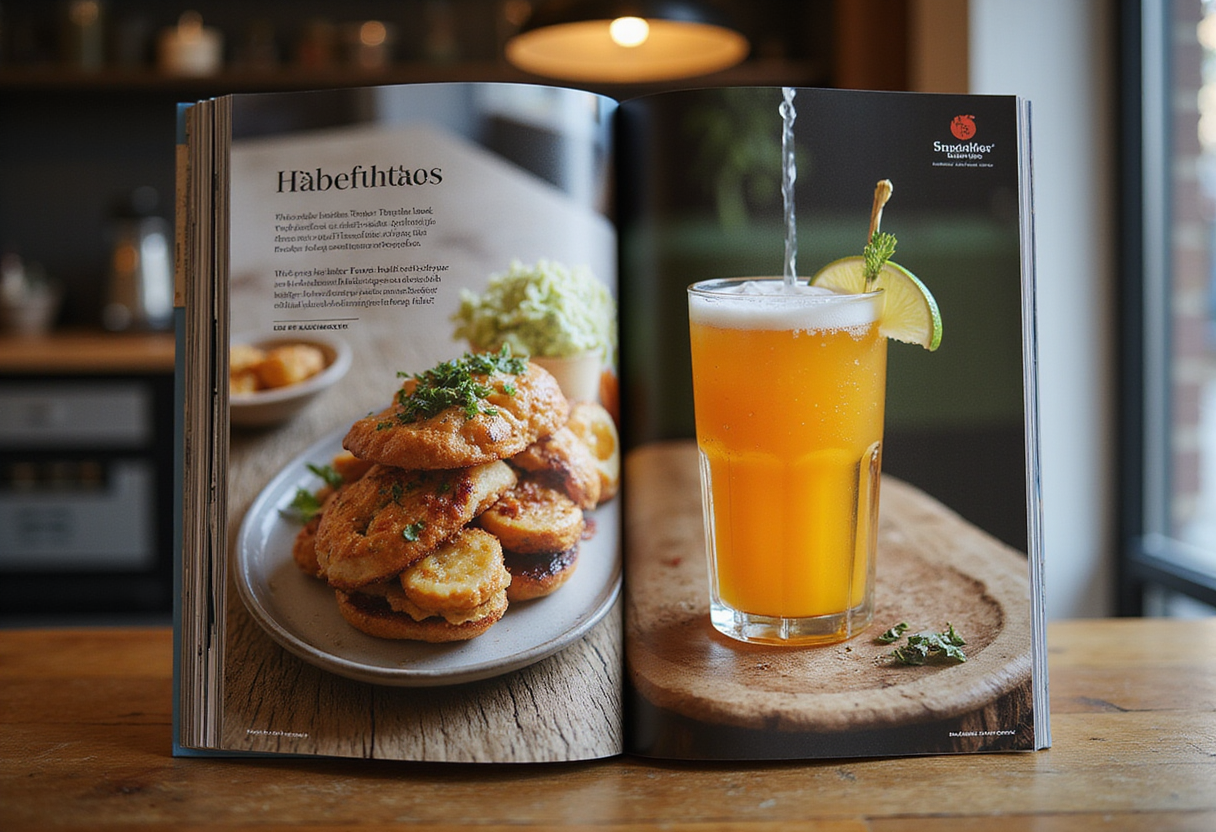
KTLA's 2026 Trend Segment Names No Numbers
KTLA aired Paul Zahn's 2026 food and beverage trend segment. The indexed record contains no numbers, chains, or economics — only the forecast itself.
KTLA has aired a segment titled "2026 food and beverage trends with Paul Zahn," and that title is nearly all the verifiable information available. The broadcast, hosted on the Los Angeles station's platform, signals that trend forecasting for next year has begun. It does not, on the evidence provided, include unit counts, check averages, menu prices, or cost figures.
This matters. Trend segments reach millions of viewers. They shape what operators expect to source, price, and staff for. When the underlying data stays off-screen, the industry inherits direction without magnitude.
What does the segment actually contain?
The record shows three facts only:
- The outlet is KTLA, a Los Angeles broadcast station.
- The presenter is Paul Zahn, a recurring lifestyle and food commentator on the segment circuit.
- The subject is food and beverage trends for 2026.
No chain names appear. No ownership groups, markets, or franchising distinctions surface. The segment, as indexed, does not state which trends it names or what evidence supports them.
That absence is itself a finding. Broadcast trend coverage typically draws from supplier decks, agency reports, and publicist pitches. Without attribution, an operator cannot weigh a claim against sales data, menu mix, or cost of goods. A trend asserted without a number is a claim, not a forecast.
Why operator-level detail stays scarce in this format
Television segments run short. They compress a year of category movement into a few minutes of on-camera sampling. The format rewards novelty and visual appeal, not margin analysis.
Compare that with the standard restaurant trade disclosure. An operator announcing a menu move states the price point, the launch window, and often the supplier. A segment like this one states none of those. The gap between the two formats is where skepticism belongs.
Paul Zahn has built a career in this format. His segments routinely showcase products on-air. That model serves brand exposure. It does not serve procurement decisions, labor planning, or pricing strategy, and it does not claim to.
What a 2026 trend claim would need to be actionable
For a trend to matter at the operator level, four pieces of information should accompany it. Each is missing here.
- Sourcing: which ingredient or system the trend requires, and at what supply reliability.
- Menu engineering: where the item sits on the menu and what it does to average check.
- Pricing: what the guest pays and what the plate costs.
- Scope: whether the trend applies to quick service, casual dining, or independent restaurants, since these segments rarely move together.
None of the indexed material answers any of these questions. The segment may well address them on air. The public record does not show it.
The forecast season is starting early
One timing detail deserves note. Calendar-year 2026 forecasts are circulating before the end of 2025. Suppliers, flavor houses, and trend agencies now release their annual predictions earlier each cycle, because early claims own the narrative before competitors publish.
That competitive pressure rewards assertion over verification. The earlier the forecast, the thinner the data behind it typically runs. Operators reading trend coverage this far ahead should apply a discount proportional to the lead time.
What to watch next
The credible 2026 forecasts will arrive with numbers attached. Trade publications and large operators will publish category growth rates, menu adoption counts, and price trajectories through the coming months. Those releases, not broadcast samplings, will establish which of the segment's directions carry commercial weight.
Until KTLA or Zahn publishes a companion writeup with specifics, the segment stands as a signal of forecast season, not a source of it. Readers should treat the named trends, whatever they prove to be, as hypotheses awaiting cost data.
More from Marcus Bennett
Show full bio
Market editor covering technology and product news in Restaurant and hotel operations at The Pass Brief.
343 articles