KFC Tests Breakfast and Tableside Service at New Concept Restaurant
KFC is piloting breakfast and tableside service at a new concept restaurant, testing two labor-sensitive service models that could extend its dayparts and lift check averages.
KFC is testing breakfast and tableside service at a new concept restaurant, a format experiment that puts two of the industry's most labor-sensitive service models into a single test box for the chicken chain.
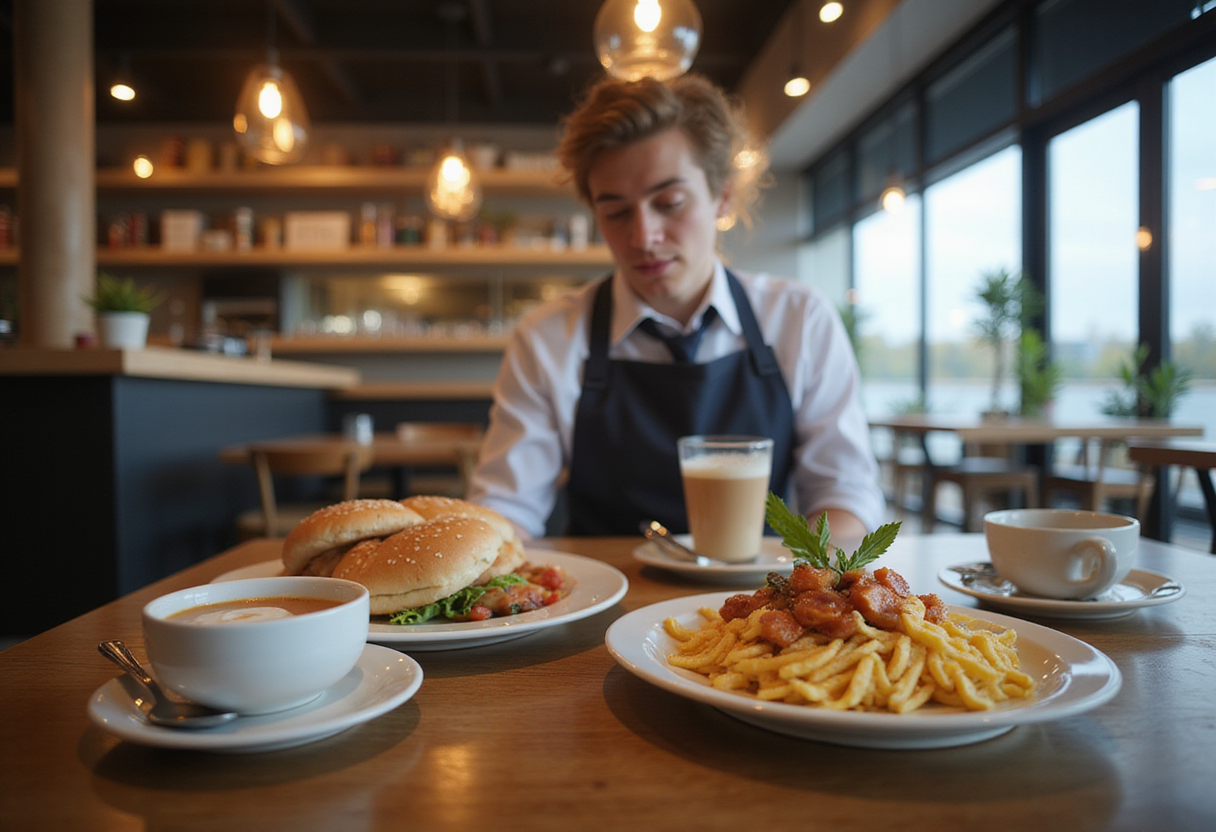
The details of the pilot remain thin on the ground — location, opening date and unit count haven't been disclosed in the initial announcement. But the shape of the move is clear. KFC, a Yum! Brands chain, is probing whether its customers will order in the morning daypart and whether they'll sit down while food comes to them, rather than queueing at a counter.
Both questions carry real operator economics. Breakfast extends the revenue window of a fixed-cost box: rent, equipment and overhead run all day, so a morning daypart that pulls incremental traffic improves the sales-per-square-foot math without new real estate. The catch is a separate prep line, a separate inventory and a staff shift that has to earn its own labor percentage before the lunch rush subsidizes anything.
Tableside service pushes the other direction. It adds labor minutes to every transaction, which is why fast food has historically resisted it — but it also opens the door to higher check averages, longer dwell times and a format that can compete with fast-casual on experience rather than price alone. Delivery to the table also replaces the buzzers-and-trays pickup routine that most QSR customers know, and it does so with labor the operator, not the customer, pays for.
What does this change for KFC's model?
Concept stores are how big chains run cheap experiments. A single test unit lets KFC measure whether breakfast attach rates and table-service check averages justify rolling the format to company-operated stores first, then to franchisees — the standard sequencing, since franchisees bear the remodel and training costs and want proof of unit-level margins before they commit.
The breakfast bet follows the traffic. Morning dayparts have been one of the few reliable growth pockets in fast food, and chicken chains have watched from the sidelines while burger players harvested that revenue for decades. A workable breakfast menu would let KFC sell against its direct rivals on a daypart where, for now, it mostly isn't present.
The table-service piece is the bolder half. It tests whether a brand built on speed and takeout can carry a dine-in experience without adding enough labor cost to erase the check-average gain. That's the equation every operator watching this pilot will be running in their own spreadsheets.
For now, it's one concept store and no confirmed rollout. The industry will be watching the metric that always decides these experiments: whether the new format's sales per labor hour beat the standard box it's meant to replace.
More from Daniel Okafor
Show full bio
Correspondent covering companies, deals and strategy in Restaurant and hotel operations at The Pass Brief.
311 articles