Independent Restaurants Mobilize Against Sysco-Restaurant Depot Deal
An independent operator has joined the IRC's campaign against the Sysco-Restaurant Depot deal, as concerns grow over distribution consolidation squeezing independent purchasing power.
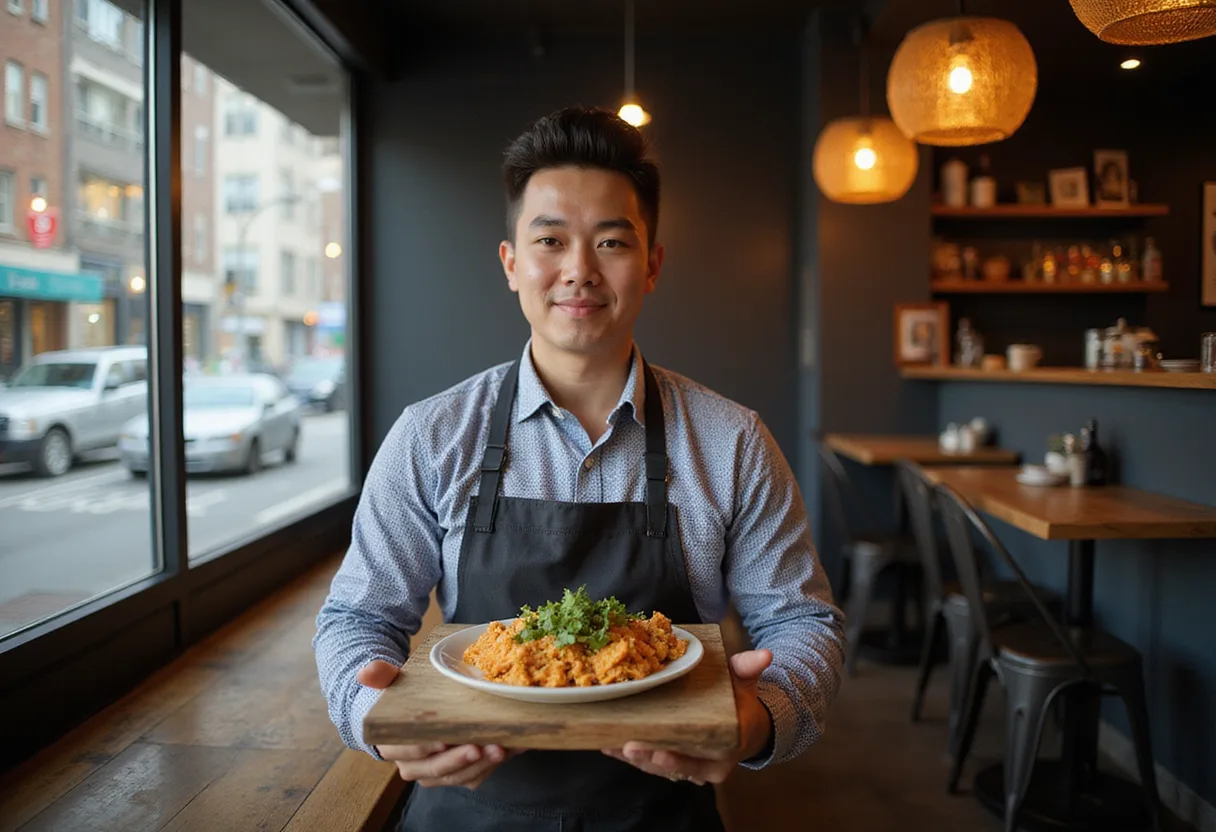
The owner of Gado Gado, an independent restaurant operator, has joined the Independent Restaurant Coalition's effort to block or reshape the proposed transaction between Sysco and Restaurant Depot, according to The Business Journals.
The Independent Restaurant Coalition, a trade group representing independent restaurant operators, is organizing opposition to the deal, which would combine one of the country's largest broadline foodservice distributors with a major cash-and-carry wholesaler that many independents rely on for daily purchasing.
At stake is purchasing leverage. Independent operators typically pay more per case than large chains because they lack volume contracts, and consolidation at the distribution level could narrow their options further. For a single-unit independent, cost of goods already runs meaningfully higher as a share of sales than at chain operators, and any tightening of wholesale competition directly compresses already thin margins.
The Gado Gado owner's participation gives the coalition a named operator face for its campaign, a tactic the group has used before to press policymakers on issues ranging from pandemic-era relief to credit card interchange fees.
The coalition's effort targets regulators' review of the transaction. Deals between major foodservice distribution players draw scrutiny under antitrust law when they concentrate share in markets where independents have few alternative suppliers. Sysco's national broadline network and Restaurant Depot's warehouse-model footprint serve overlapping but distinct customer bases — Sysco skews toward institutional and chain accounts, while Restaurant Depot's membership warehouses serve small operators buying in cash.
The Business Journals' report did not detail the specific regulatory filings or deadlines involved, and neither Sysco nor Restaurant Depot has publicly responded to the coalition's campaign, according to the report.
The outcome will shape how independents source product and at what price for years to come, and the coalition's campaign signals that operators intend to make purchasing costs — not just menu trends — a central industry fight.
More from Rebecca Stone
Show full bio
Senior reporter covering technology and product news in Restaurant and hotel operations at The Pass Brief.
654 articles