In-N-Out CEO: Slow Growth Is the Business Model, Not a Weakness
In-N-Out CEO Lynsi Snyder says slow, calculated growth — capped by a one-day trucking radius for fresh beef — is the model behind 445 units in 10 states, with absorbed food costs and no East Coast plans.
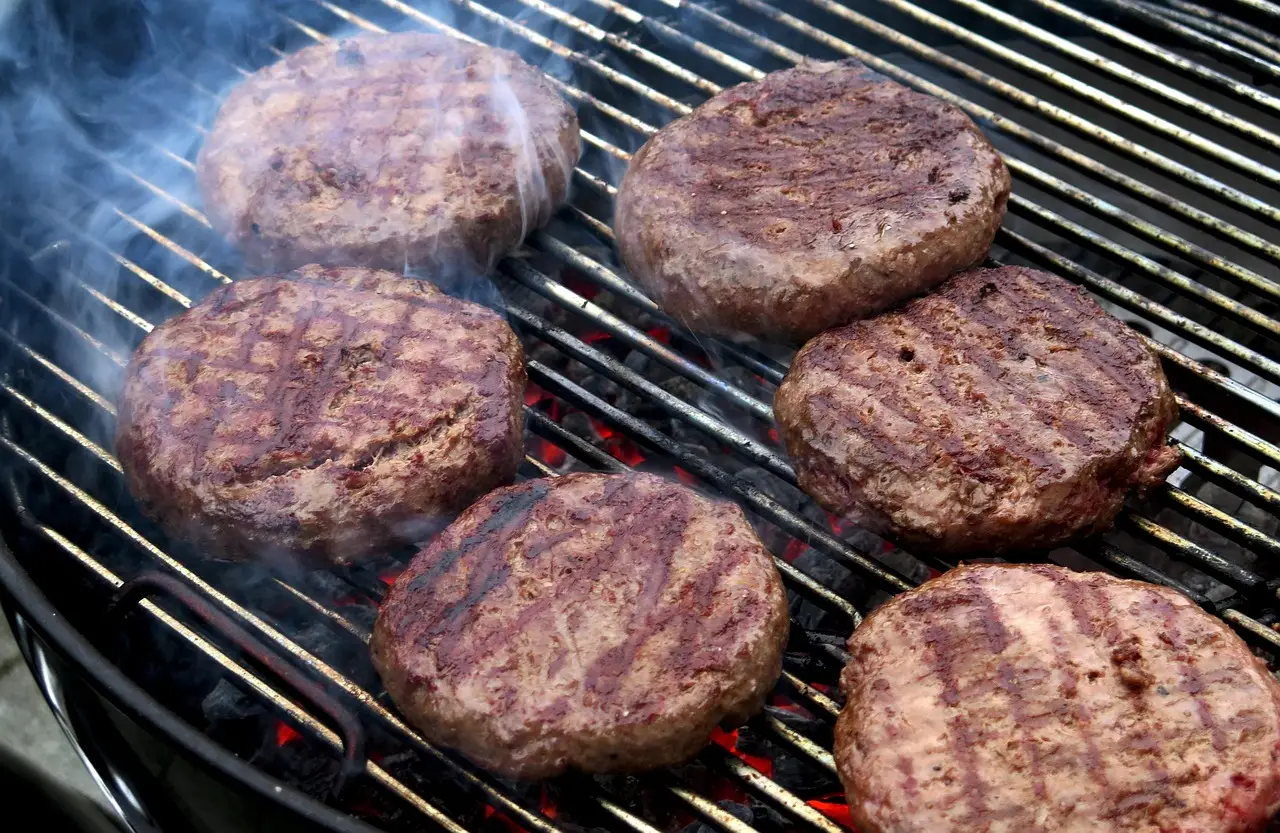
In-N-Out operates 445 restaurants across 10 states — 289 of them in California — and CEO Lynsi Snyder says that deliberately slow footprint is the reason the chain's economics hold up. Speaking on David Novak's "How Leaders Lead" podcast, Snyder laid out a growth philosophy that treats scarcity, supply-chain radius and absorbed cost inflation as features, not bugs.
"There's that saying, 'Keep it simple, stupid.' I don't want to veer from what my family started," Snyder said.
What does the growth cap actually look like?
The hard constraint is logistics, not demand. In-N-Out uses fresh, never-frozen beef, which means every restaurant must sit within a day's drive of a distribution facility. That single rule limits how fast the company can fill in the map, even in markets where customers would queue on day one. It's why East Coast expansion isn't on the table. Snyder told Inc. earlier this year: "I don't see us being on the East Coast in my lifetime. We won't compromise on quality just to expand."
The pace is intentional and uneven. "It's a pretty calculated growth rate, and there are times when we're not hitting the amount of stores we planned on opening, and we're okay with it," she said — a stance that would get most public-chain CEOs a quarterly earnings reckoning, but In-N-Out is family-owned and answers to no market.
The history explains the discipline. Harry and Esther Snyder opened the first location in 1948 as a burger stand in Baldwin Park. When Harry died in 1976, the chain counted just 18 restaurants, all in the Los Angeles area. It didn't cross a state line until the 1992 Las Vegas opening — 44 years into the company's life.
A 27-year-old inheritor settled a family argument
Snyder, now 44, took over at 27 after the deaths of her father, Guy, and her uncle, Rich, according to KTLA. She inherited a business with two competing visions: her grandfather Harry and her father favored cautious expansion, while her uncle pushed to move faster. She sided with the slow-growth camp. That choice still governs the company as its red-and-white signs appear in states that once seemed out of reach.
"Sometimes people's perceptions — because we might be in a new market or a new state — they go, 'Oh, they're opening all over,' and it's like, 'No, we're really not," she said.
The current pipeline reflects it: Tennessee is already serving Double-Doubles, and the first three New Mexico locations are expected to open in Albuquerque in 2027. When the Tennessee move stirred fears the company might leave California entirely, Snyder went on Instagram in March to confirm the corporate headquarters stays in Baldwin Park — noting In-N-Out has opened in other states since 1992 under the same standards.
Who eats the cost inflation
Snyder said the model also dictates pricing and labor policy. When ingredient prices climb, the company absorbs higher food costs rather than pass them through or degrade specs. It pays workers above-market wages, she said, because it expects service levels that keep customers returning.
"We're loyal to the customer," Snyder told Novak. "We are not cutting corners. We're not compromising."
For operators watching a family-owned chain trade unit count for control of quality, sourcing distance and labor investment, the takeaway is a supply-chain rule dressed up as a brand promise — and no sign it bends before Albuquerque's 2027 openings.
More from Daniel Okafor
Show full bio
Correspondent covering companies, deals and strategy in Restaurant and hotel operations at The Pass Brief.
790 articles