Hotel AI Now Runs on a Meter: Pertlink Puts a Token Cost on Every Guest
Pertlink's free 30-page playbook introduces Token Cost Per Guest and Token Cost Per Booking as hotel AI shifts from subscription to metered pricing ahead of 2027 budgets.
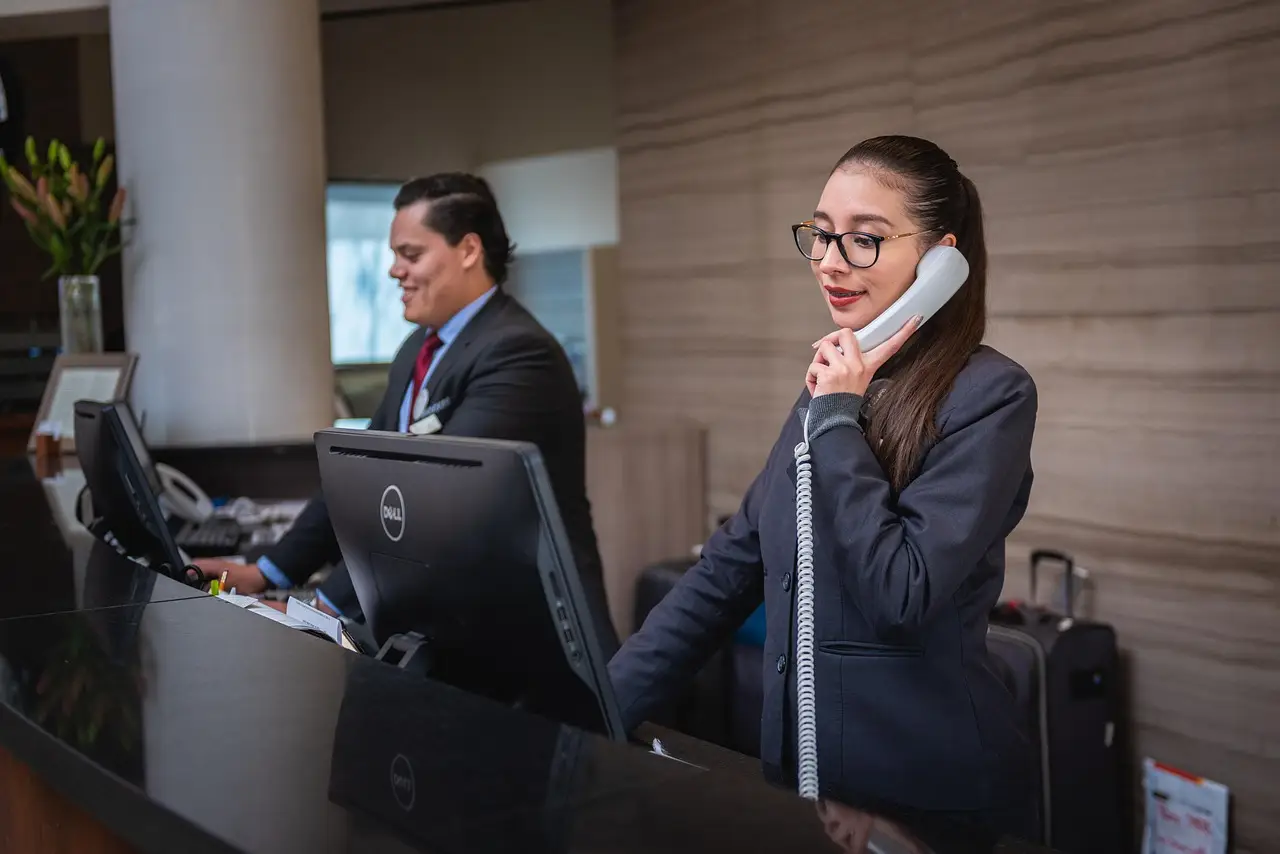
Hotel AI no longer behaves like a subscription, consultant Terence Ronson argues: it runs on a meter, billed in tokens, and every guest message, drafted review and rate check adds to the invoice. His company, Pertlink, published a free 30-page playbook with Hospitality Net on Thursday that introduces two measures — Token Cost Per Guest and Token Cost Per Booking — with worked examples, usage-pricing budget guidance and a 2027 budget checklist.
"If you can't tell your owner what AI costs per guest, you don't have an AI budget. You have a hope," Ronson said. Henri Roelings, founder of Hospitality Net, said hoteliers are being asked to approve AI budgets without a shared way of measuring what they pay for. The playbook is vendor- and brand-agnostic and recommends no product.
What does this change for hotel budgeting?
The playbook arrives in budget season, and the day's reading points in the same direction: the way hotels set budgets, targets and incentives may be working against total profitability.
A World Panel viewpoint asks whether commercial teams are rewarded for departmental wins at the expense of the whole property. It gives three examples: sales hitting its room-night target while displacing more profitable business, revenue management lifting RevPAR while acquisition costs erode the gain, and operations meeting its expense budget by cutting the service that supports future pricing power. An annual budget, the viewpoint notes, can also discourage a sound change of strategy when demand shifts.
The panel is asked how hotels should structure budgets, targets and incentives so commercial and operational decisions point at the same result. The question continues a thread from last Friday, when Muhammad Tanveer argued that most hotel budgets are agreed but few are owned.
Are AI agents a different category of software?
Martin Soler of Soler & Associates says a few weeks of using AI agents changed his mind. Asking AI to analyze ads is one thing; telling an agent to run a campaign toward a sales goal, log in where it needs to, send daily updates and implement approved changes is another.
He sketches hotel uses beyond marketing:
- Nightly room assignments drawn from stay history and maintenance blocks
- A 2 a.m. night audit that escalates only unclear cases
- Profile deduplication and invoice requests
None of these are good ideas yet on security and privacy, he flags, and agents will not replace people — they will still need humans to supervise them.
What does boutique development really cost?
At BLLA's Boutique Hotel Owners Conference, Ferial Sadeghian of the 21-room Cuyama Buckhorn and Jayson Seidman of Sandstone discussed the real numbers. Sadeghian spends about $5,000 a year on candles that were never in the budget. Seidman keeps two budgets — the bank's and a separate atmosphere reserve he protects himself, because "as soon as you put that in a budget, it's gone."
Seidman argues per-key analysis misleads lenders on boutique projects that include what are effectively standalone restaurants and spas, so he gives each revenue stream its own capital line. Both owners found food and beverage outweighing rooms revenue. Ariela Goharik Kiradjian's report closes with nine lessons for owners, from site visits at different hours to financing for decade-long timelines.
Signals
- AI hits managers harder than the frontline. AHLA and Actabl, reporting at The Hospitality Show, found 84% of respondents said AI improved their own work, but only 15% said it improved frontline work. Hotel turnover fell to 5.35% in June 2026 from 6.07% two years earlier, per HotelData.com analysis of Actabl data.
- Scandic completes its €500 million acquisition of Dalata's hotel operations. The deal adds 57 hotels and 12,500 rooms under the Clayton Hotels and Maldron Hotels brands in Ireland and the UK, taking Scandic past 320 hotels in 11 markets.
- Record pipelines in Asia Pacific and China, per Lodging Econometrics. Asia Pacific excluding China reached 2,684 projects and 473,560 rooms in Q3, with India holding 43% of projects. China's pipeline holds 3,507 projects, with brand conversions at a record high.
- Revenue managers can't explain why a strategy worked, says Fabian Bartnick, who writes for vendor PerfectCheck. He warns that revenue teams confuse good outcomes with good strategy and that AI tools risk automating overconfident explanations.
- Hotel Shield won the 2026 HTNG TechOvation Award, AHLA's prize, for an anti-trafficking AI vision platform that matches watchlists in real time and alerts staff.
People and Properties
Ayotunde Gibbs was promoted to Chief Technology Officer at Remington Hospitality, where she will put AI at the center of the company's technology strategy. Ryan Adams was promoted to Vice President of Resort Operations at Harrah's Resort Southern California. David Dong was appointed General Manager at Enchantment Resort in Sedona.
Hotel Kämp in Finland completed a three-year renovation. Dusit opened ASAI Yangon Sule in Yangon and took over management of The Strand Hotel Yangon under Dusit Collection. Fort George Belize joined Autograph Collection ahead of a waterfront expansion. Club Med opened reservations for its St. Croix resort, its return to U.S. shores in November 2027. IHG confirmed a late 2026 opening for Kimpton Suntaya Bali Ubud, the brand's first in Indonesia.
With token-based measures now on paper and 2027 budgets in drafting, owners have their first vendor-neutral tool to price AI the way they price any other utility: per unit of use.
More from Elena Vasquez
Show full bio
News editor covering people, launches and day-to-day practice in Restaurant and hotel operations at The Pass Brief.
622 articles