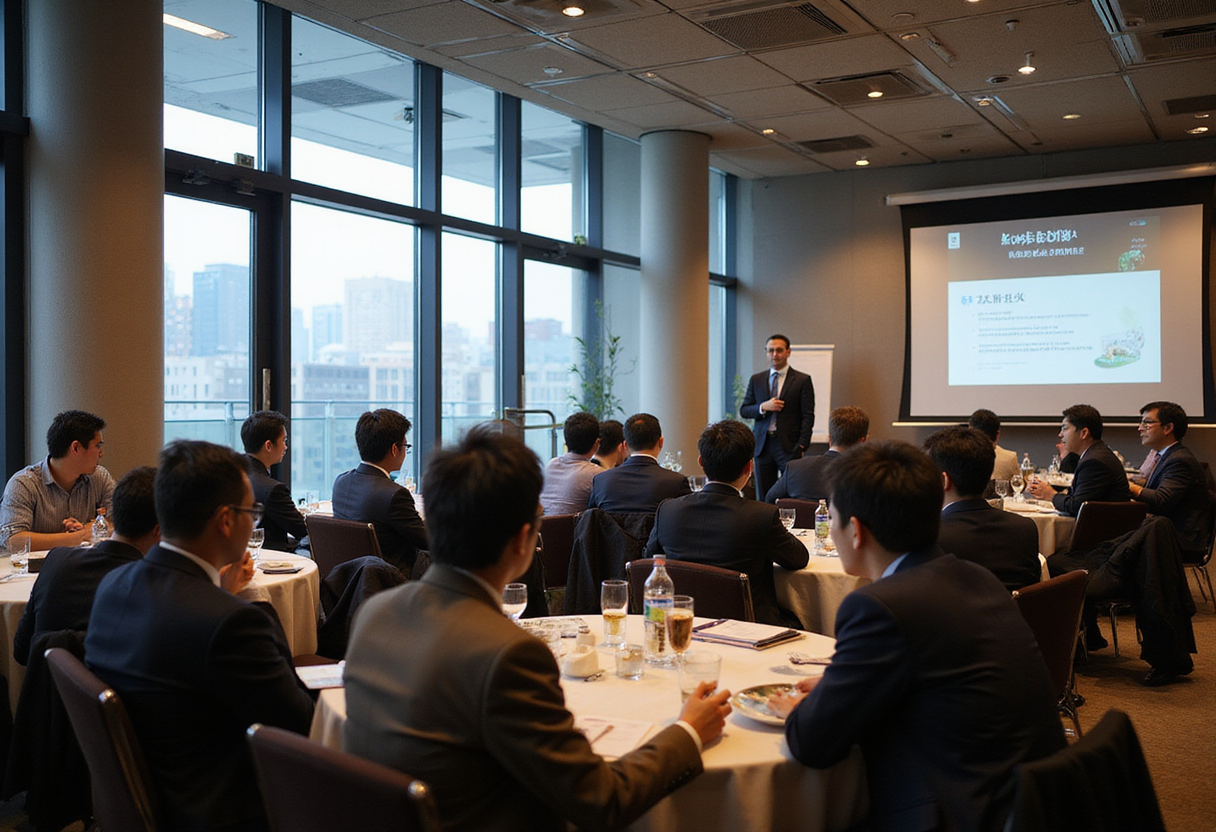
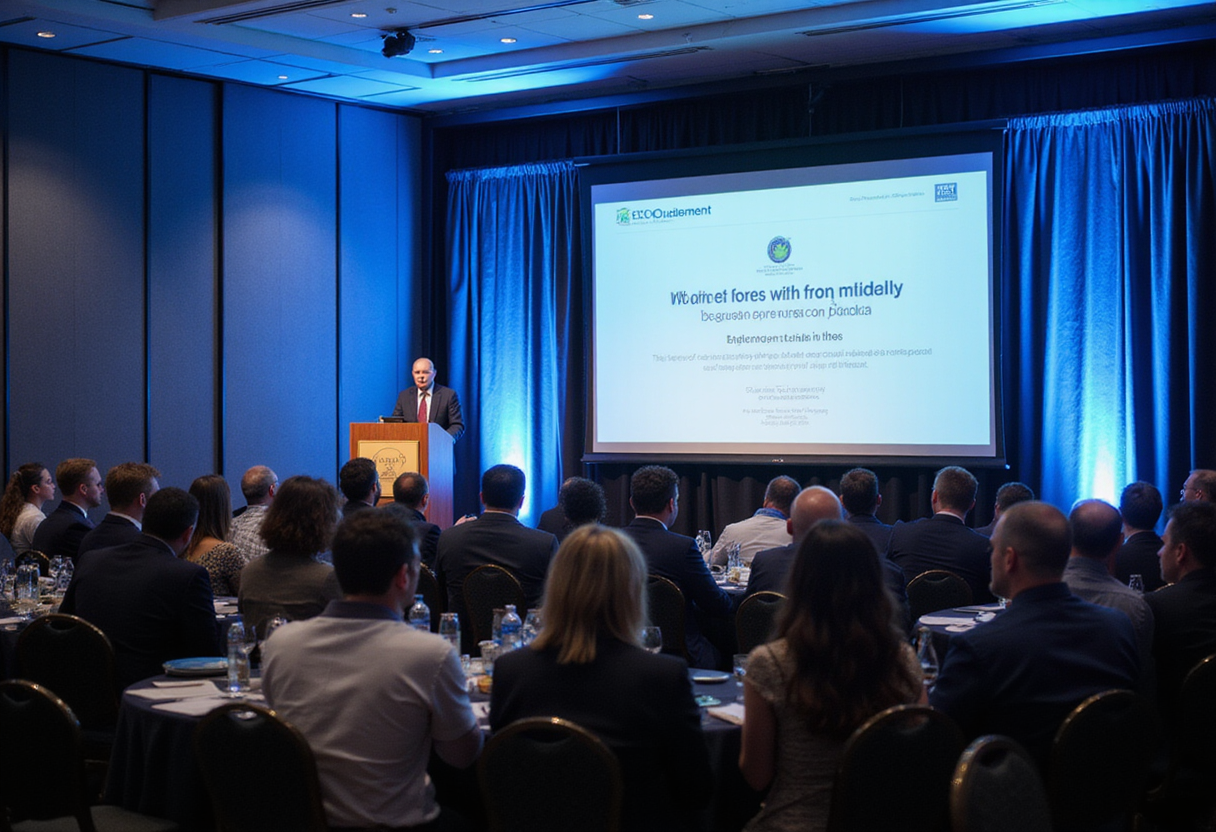
HJC2026 Concludes in Tokyo, Framing Strategic Growth for Japan's Hospitality Sector
HJC2026, the fifth edition of the Hospitality Japan Conference, wrapped up in Tokyo. Organizers framed the program around "redefining strategic growth" across Japan's hotel, restaurant and broader hospitality operators.
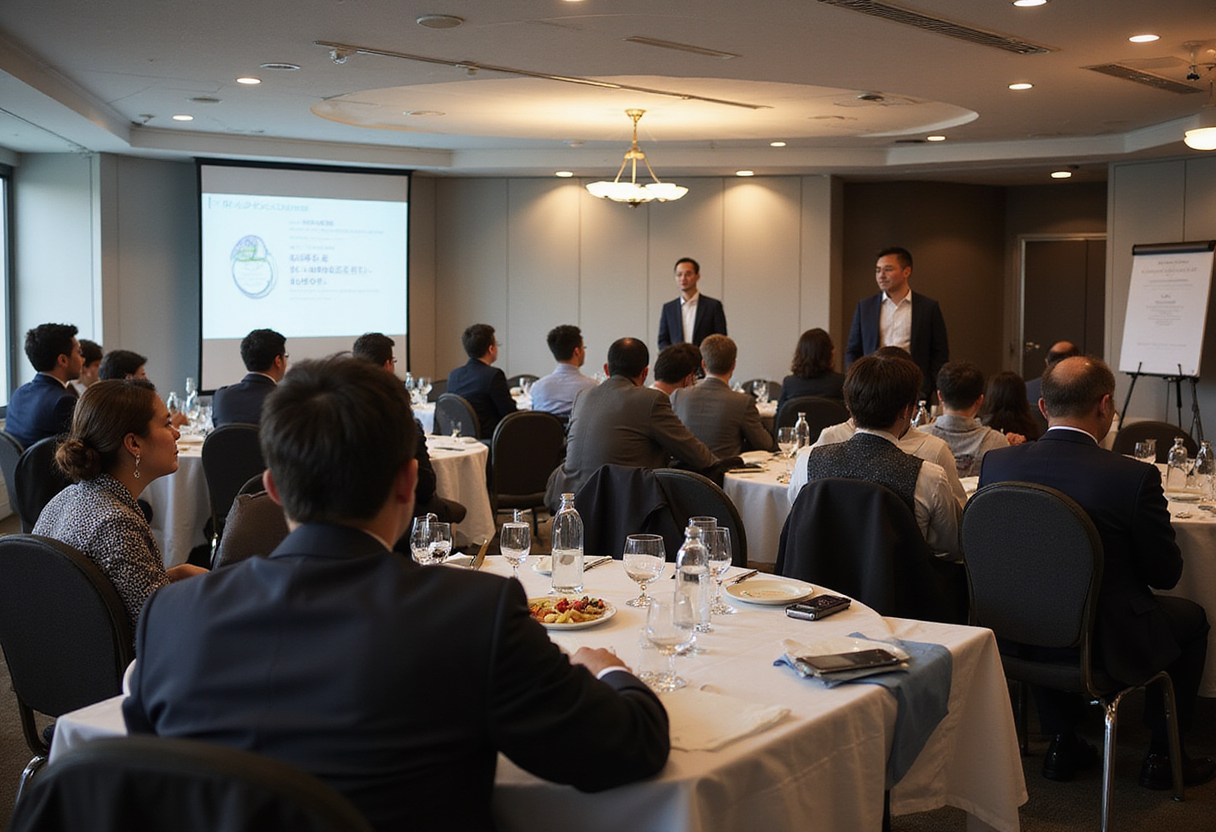
HJC2026, the fifth edition of the Hospitality Japan Conference, concluded in Tokyo, with the event's program framed around "redefining strategic growth" across Japan's hospitality sector.
The announcement circulated to regional business outlets confirmed the conference title, its Tokyo location and the strategic-growth framing. No opening date, closing date, attendance figure or published agenda accompanied the brief item carried internationally. The language signals an operator-level agenda rather than a consumer-facing event: hospitality conferences in Tokyo routinely center on capital allocation, unit economics and competitive positioning in a market where inbound tourism has lifted hotel and restaurant revenue for several years.
What does the "strategic growth" framing tell operators?
The phrasing maps directly onto the structural questions facing Japanese hospitality groups. Imported food and beverage costs, persistent labor shortages and rising real-estate expense in Tokyo, Osaka and Kyoto have pressed margins in both the hotel and the restaurant segments. Inbound visitor demand has lifted average daily rates and check averages, but operators continue to manage labor cost as a percentage of sales and food cost as a percentage of sales against a competitive set that has expanded rapidly in regional cities.
Hospitality conferences in Tokyo have built their formats around those exact topics for years. Senior executives from publicly listed hotel chains, restaurant groups and the consultancies that advise them use such platforms to brief operators on inbound-visitor forecasts, regional-city expansion economics and the rebuild of corporate and group travel demand.
What should operators expect next?
The most concrete read on Japan's hospitality momentum will arrive with the next round of publicly listed operator earnings. Those filings quantify the unit counts, average daily rates, occupancy levels, food-cost percentages and labor-cost percentages referenced at industry events such as HJC2026. Until those disclosures appear, the conference serves as a directional marker rather than a data point.
Forward statements made at Tokyo operator conferences typically preview the unit-growth and margin commentary that surfaces in subsequent earnings releases. For chains tracking Japan, the closing of HJC2026 leaves open the question of which operators will translate the conference's strategic-growth framing into measurable unit openings, pricing actions or franchise signings in the months ahead.
The next confirmed milestone for Japan's hospitality sector will be the operator earnings that follow in the next reporting cycle, where strategic-growth commentary from HJC2026 may translate into disclosed unit counts, capital expenditure plans and revised margin guidance for publicly traded hotel and restaurant chains.
More from Daniel Okafor
Show full bio
Correspondent covering consumer brands and retail at The Pass Brief.
216 articles