Hilton Unveils Clean Energy Prototype for Home2 Suites
Hilton has launched a Clean Energy Prototype for Home2 Suites, targeting lower utility costs and reduced environmental impact as hotel energy prices climb.
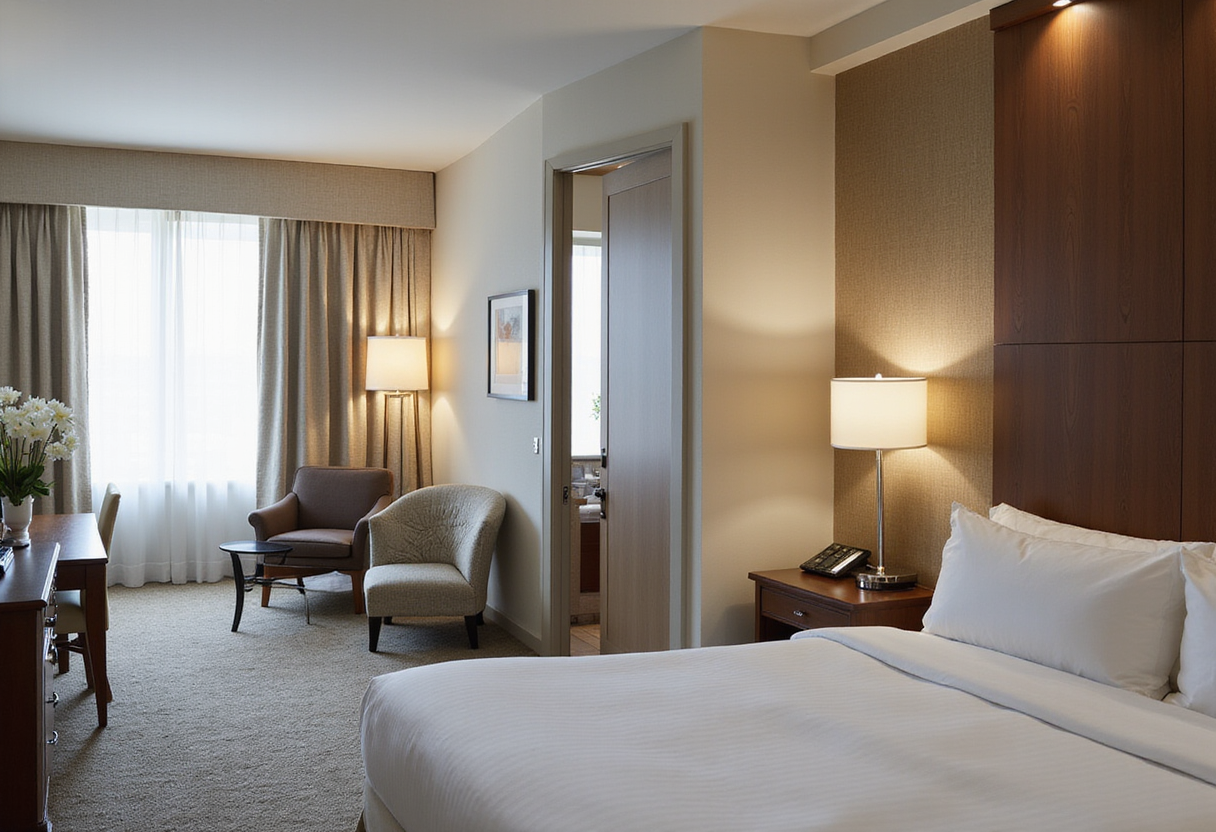
Hilton has debuted a sustainability-focused prototype for Home2 Suites, its extended-stay brand, with the stated aim of cutting both operational costs and environmental impact across new-build properties.
The design, called the Home2 Suites by Hilton Clean Energy Prototype, arrives as hotel operators face rising utility costs and an energy market in flux. For a brand built on extended-stay economics — where longer guest visits mean more laundry, more HVAC runtime and more kitchen energy per room than a typical transient hotel — utilities are a line item owners watch closely.
The prototype signals Hilton's bet that energy-efficient construction and systems can protect franchisee margins as electricity and gas prices climb.
What does this change for owners?
Prototypes matter in franchised hotel systems. When Hilton updates a brand standard through a prototype, new-build developers and owners planning conversions work from that design template, which shapes construction budgets, equipment choices and long-run operating costs before a single guest checks in.
For Home2 Suites specifically — a brand competing in the crowded midscale extended-stay segment against Marriott's TownePlace Suites and Choice's Everhome Suites — lower utility costs per available room could sharpen the pitch to developers deciding where to place their next franchise dollar.
Hilton frames the prototype around two pressures at once:
- Rising hotel utility costs squeezing operator margins
- Evolving energy markets pushing brands toward efficiency-focused design
The company did not disclose specific efficiency figures, target savings percentages or a rollout timeline in its announcement, so owners will be watching for unit-level performance data as the first prototype properties come online.
Why extended-stay is the proving ground
Extended-stay hotels run hotter on energy than limited-service properties with shorter average stays. Guests cook in-suite, run dishwashers and climate-control their rooms for weeks at a time. That makes energy efficiency a genuine operating-leverage play rather than a branding exercise — every kilowatt saved repeats daily across a long-stay calendar.
For Hilton, the prototype also fits a broader industry pattern: brands are increasingly competing for developers on projected operating costs, not just franchise fees and royalty structures. A prototype that can demonstrate lower utility spend per room gives franchise sales teams a concrete number to take into owner negotiations.
The first Clean Energy Prototype properties will be the test. If they deliver measurable utility savings against comparable Home2 Suites buildings, expect Hilton to fold the design into broader brand standards — and expect competitors to answer with efficiency claims of their own.
More from Daniel Okafor
Show full bio
Correspondent covering companies, deals and strategy in Restaurant and hotel operations at The Pass Brief.
311 articles