Guac Mexi Grill Signs 95-Unit US Development Deal
Canadian fast-casual Tex-Mex chain Guac Mexi Grill has signed a 95-unit U.S. development deal targeting Georgia, South Carolina and Florida, with first openings set for 2027.
Guac Mexi Grill has signed a 95-unit development agreement for the United States, the largest commitment in the Canadian fast-casual Tex-Mex brand's ten-year history. The deal spans a 10-year expansion strategy concentrated in Georgia, South Carolina and Florida, with the first units scheduled to open in 2027.
The brand enters the U.S. from a base of more than 55 units across Canada. It launched in Ontario in 2016 — meaning the American deal, if executed, would nearly triple the chain's footprint over the coming decade. That's roughly nine to ten openings per year on average, a pace that will test the company's franchising infrastructure in three new states at once.
"Entering the United States with a 95-unit development agreement reflects our long-term vision for the brand," CEO Trushana Makadia said in the announcement. "We're approaching this expansion with the same commitment to operational excellence and guest experience that has shaped our growth since 2016."
What does Guac Mexi Grill actually sell?
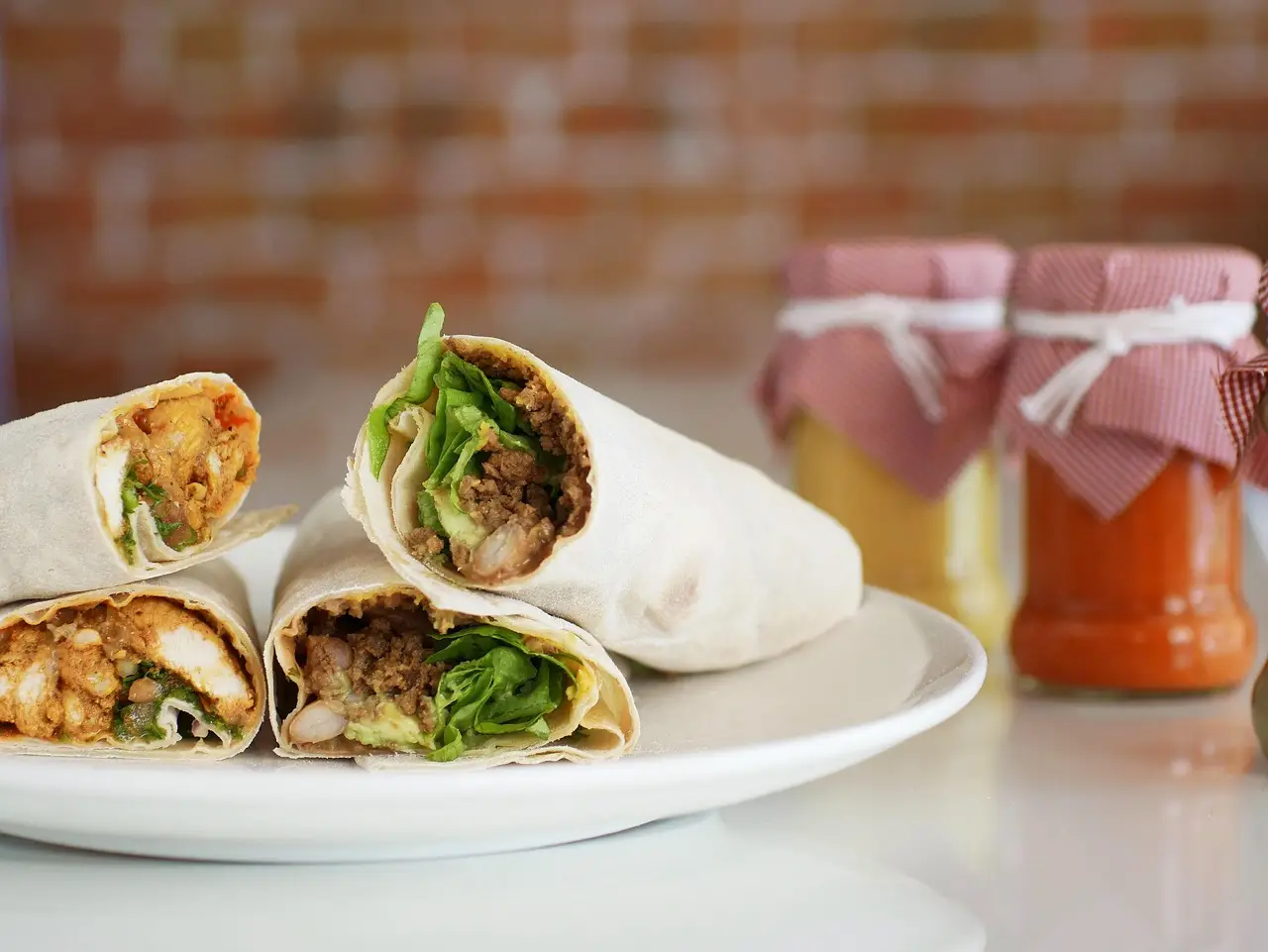
The menu is built around customizable burritos, bowls, tacos and other Tex-Mex items — the same build-your-own format that Chipotle and Moe's Southwest Grill have made standard in the segment. The brand's stated differentiators sit in preparation and design rather than format: house-made sauces, guacamole prepared in-store, and fire-grilled proteins.
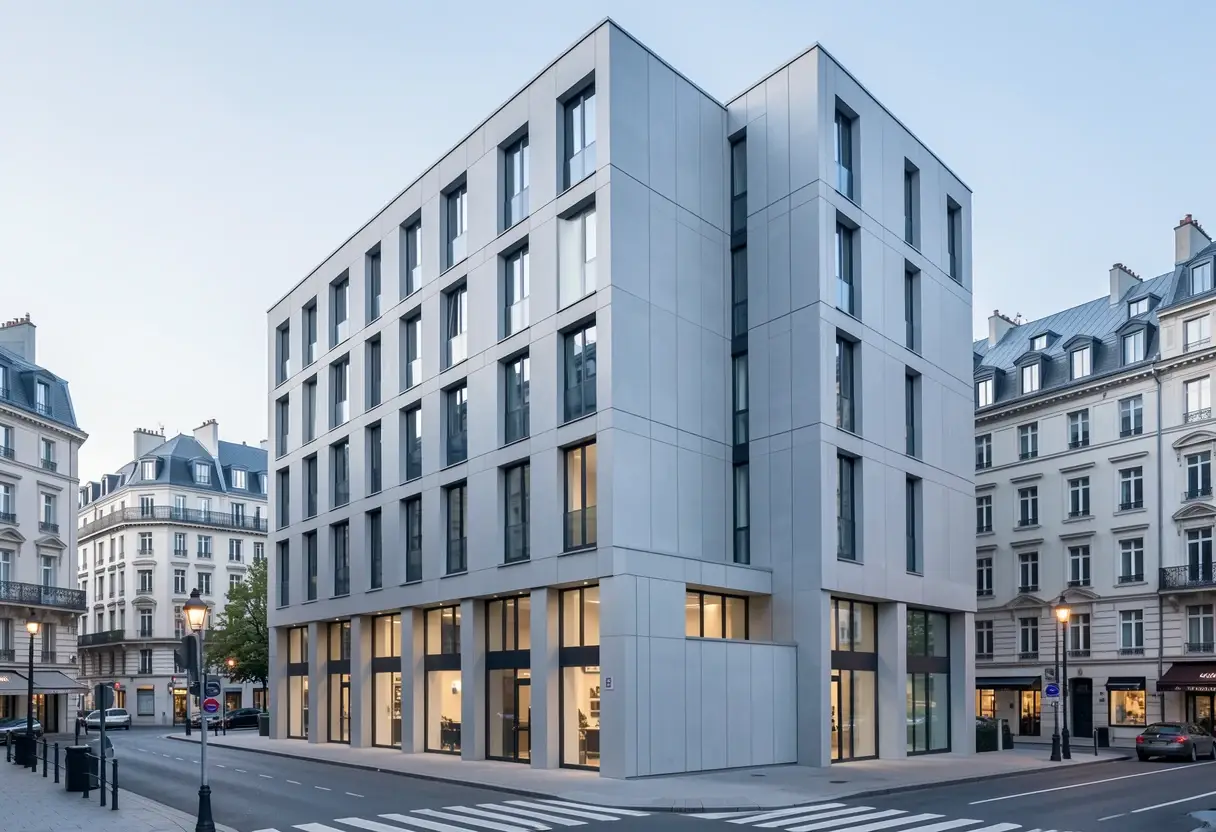
On the restaurant environment side, Guac Mexi Grill describes an "elevated industrial-modern" design. The company positions itself between quick service and fast casual — combining QSR speed and convenience with an emphasis on culinary preparation and guest experience.
Where will the units go?
The development plan points to conventional real estate rather than flagship builds. The format fits:
- Traditional retail plazas
- Shopping centers
- Street-front locations
- Select nontraditional venues
That flexibility matters for a 95-unit rollout. Multi-format footprints let franchising groups fill gaps — endcaps, inline mall space, gas-and-go sites — without redesigning the prototype each time. It also spreads risk across real estate types if any single channel, such as shopping centers, softens.
Why the Southeast?
The source doesn't break down site-level economics, but the three-state target zone — Georgia, South Carolina and Florida — is among the fastest-growing regions in the country by population, which typically feeds fast-casual demand. Florida in particular has drawn heavy franchise development activity across dining categories in recent years.
Guac Mexi Grill isn't claiming a national footprint yet. A 95-unit commitment across three adjacent Southeastern states reads as a regional beachhead strategy: prove the brand in markets with strong growth and lower saturation before pushing wider.
What's next?
The first test comes in 2027, when the initial units open roughly a decade after the brand's Ontario launch. If the development pace holds near ten openings a year, Guac Mexi Grill would arrive at the mid-2030s as a 150-plus-unit brand spanning both countries — and with a much larger question to answer about what comes after the Southeast.
More from Olivia Hart
Show full bio
Staff writer covering regulation, policy and their impact on Restaurant and hotel operations at The Pass Brief.
558 articles