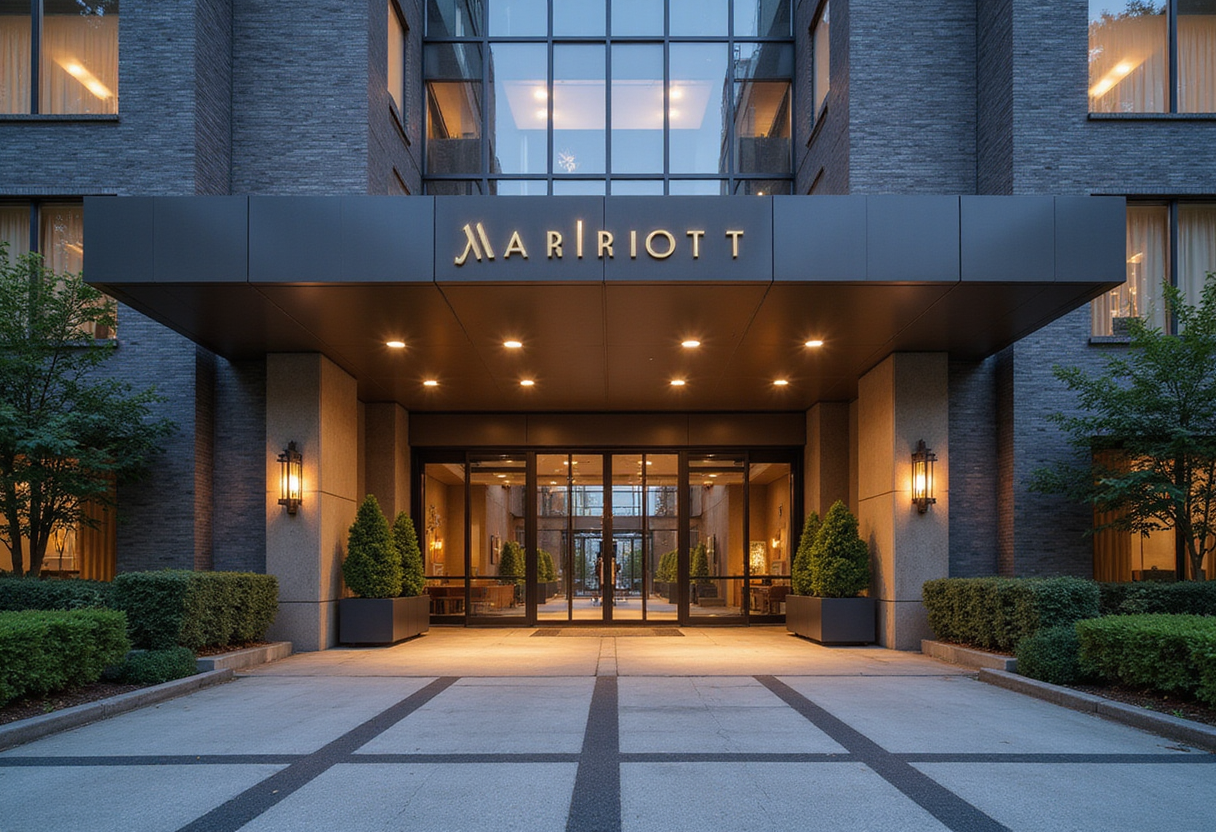
GIC Buys 16 Marriott-Operated Hotels in Japan for ¥125 Billion
GIC has acquired 16 Marriott-operated hotels in Japan for about ¥125 billion, deepening the sovereign wealth fund's bet on Japan's inbound tourism market.
Singapore's sovereign wealth fund GIC has acquired a portfolio of 16 hotels in Japan operated by Marriott International for approximately 125 billion yen, according to The Business Times.
The transaction places one of the world's largest institutional investors squarely behind Marriott's managed portfolio in one of Asia's most active hotel investment markets. Marriott runs the properties under management agreements rather than owning them, meaning the deal transfers the real estate — and its underlying operating economics — to GIC while the US hotel giant retains its role as operator.
That structure matters for how the economics of the deal flow. In a managed-hotel model, the owner funds capital expenditures, debt service and property-level costs, while the manager earns fees typically tied to top-line revenue and, in many contracts, incentive payments linked to profitability. For GIC, the return case rests on the performance of the 16 assets themselves: occupancy, average daily rate and the margin the operator can deliver after labor, food-and-beverage costs and other hotel-level expenses.
Japan's hotel market has drawn sustained institutional capital in recent years, supported by a weak yen that has made inbound tourism cheaper for foreign visitors and Japanese real estate cheaper for yen-neutral or foreign-currency buyers. Tokyo, Osaka and regional gateway markets have all seen portfolio transactions as owners — including Japanese corporates restructuring property holdings — have brought assets to market.
For Marriott, the sale continues a pattern in which the company manages hotels it does not own, keeping fee-based earnings on its books while institutional capital absorbs asset-level risk. The 16-property portfolio expands GIC's exposure to that fee-operated segment in Japan, where international brands have been gaining share against domestic operators in the upscale and upper-upscale tiers.
The scale of the deal — 125 billion yen, roughly the equivalent of high-single-digit billions of yen per property across the portfolio — signals pricing consistent with institutional-grade assets rather than budget stock. Buyers at that level typically underwrite stabilized or stabilizing cash flows, with upside tied to rate growth and inbound travel demand rather than turnaround execution.
The Business Times report did not specify the seller, the individual hotels in the portfolio, their brands within the Marriott family, or expected closing timing.
More from Olivia Hart
Show full bio
Staff writer covering marketplaces and e-commerce at The Pass Brief.
66 articles