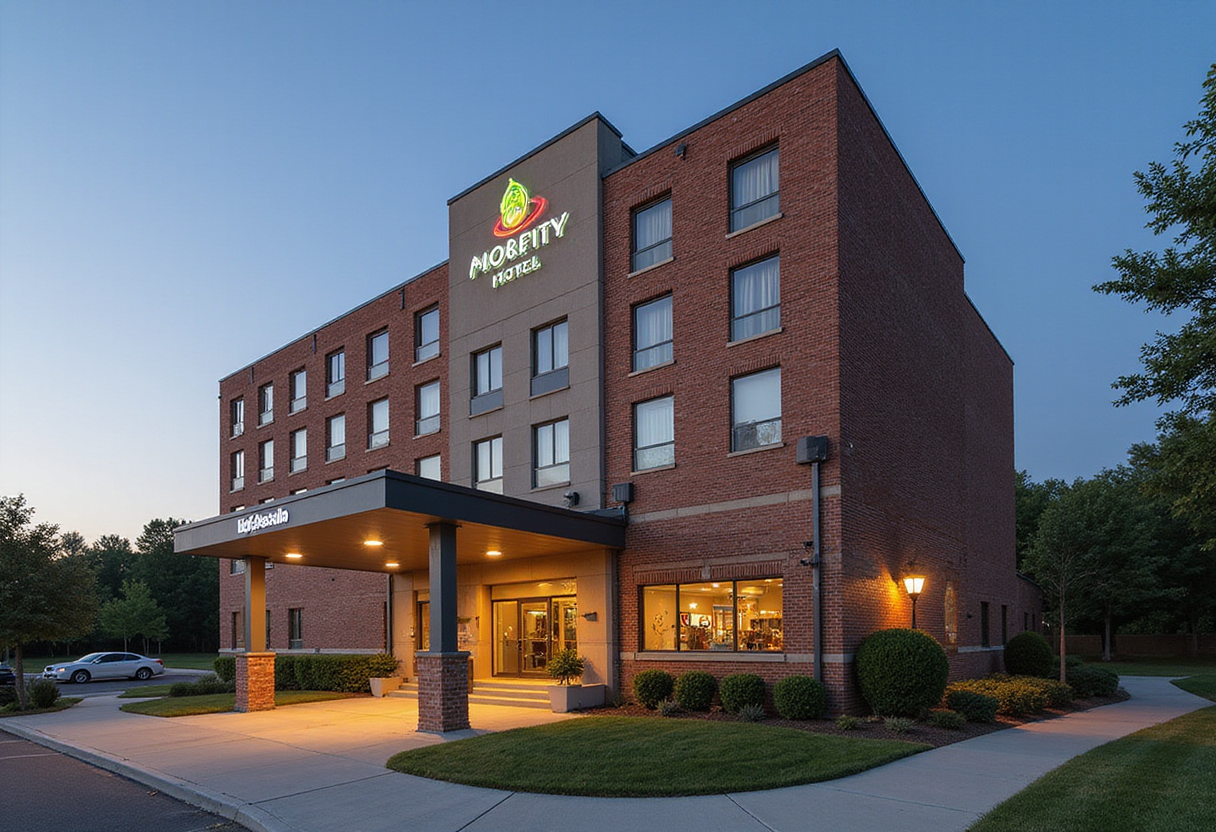
G6 Hospitality, FBI Partner on Human Trafficking Response
G6 Hospitality, parent of Motel 6 and Studio 6, has partnered with the FBI on human-trafficking training and reporting across roughly 1,400 properties in the U.S. and Canada.
G6 Hospitality, parent of Motel 6 and Studio 6, has entered a formal partnership with the Federal Bureau of Investigation aimed at identifying and disrupting human trafficking activity across its U.S. property footprint, the operator confirmed through GlobeNewswire.
The agreement positions one of North America's largest economy-lodging companies alongside FBI trafficking-investigation programs. Industry trade groups have repeatedly flagged budget and roadside properties as frequent staging sites, a pattern that has steadily rewritten training expectations for front-line hotel staff.
Why an economy operator matters here
Motel 6 operates roughly 1,400 properties in the United States and Canada, the bulk franchised and clustered along interstate corridors. That footprint puts G6 staff in contact with a high volume of short-stay, cash-paying guests — the transaction profile FBI trafficking programs have repeatedly flagged in case data. The economics make training a baseline cost rather than a discretionary line: a single trafficking incident tied to a property can produce brand, legal and remediation expenses that swamp the per-property cost of a structured training program.
What the partnership covers
The collaboration points to expanded employee training on trafficking indicators, clearer internal reporting chains, and direct escalation paths from property personnel to FBI field offices. Comparable programs typically emphasize indicator-based reporting rather than staff confrontation, and they rely on partnerships with groups such as ECPAT-USA and the AHLA Foundation's "No Room for Trafficking" curriculum.
For G6, the company-vs.-franchise split will shape execution. Company-operated housekeepers and front-desk staff fall under direct training and supervision. Franchised properties generally absorb training through the brand standards package, with completion tracked during quality audits. Training budgets in the segment typically run from a few hundred to several thousand dollars per property per year, depending on whether operators license third-party modules or build internal content.
What changes on property
Front-desk and housekeeping staff at participating properties can expect guidance on behaviors that have appeared repeatedly in trafficking case filings — repeated short-duration stays, requests for specific rooms, refusals of housekeeping, and visible third-party control of a guest. Workers who flag those patterns now have a defined escalation path to the FBI rather than relying solely on 911.
Regulatory pressure is already building
The announcement lands as a growing list of states move toward mandatory lodging-sector trafficking training. California, Florida, Illinois, New York and Texas have all enacted lodging-specific requirements, and brand quality audits increasingly require documented completion. Operators across the economy and midscale tiers are converging on annual recertification for staff who interact with guests.
What to watch next
The agreement makes G6 an early data-sharing partner among the private and publicly traded economy-lodging companies that have so far trailed the upscale segment in formal FBI cooperation. The operational markers to watch: state-by-state rollout timing for company-operated properties, enforcement language that gets inserted into franchise agreements, and how flagged reports translate into FBI case openings rather than dead-end phone referrals.
More from Elena Vasquez
Show full bio
News editor covering industry trends and analytics at The Pass Brief.
245 articles