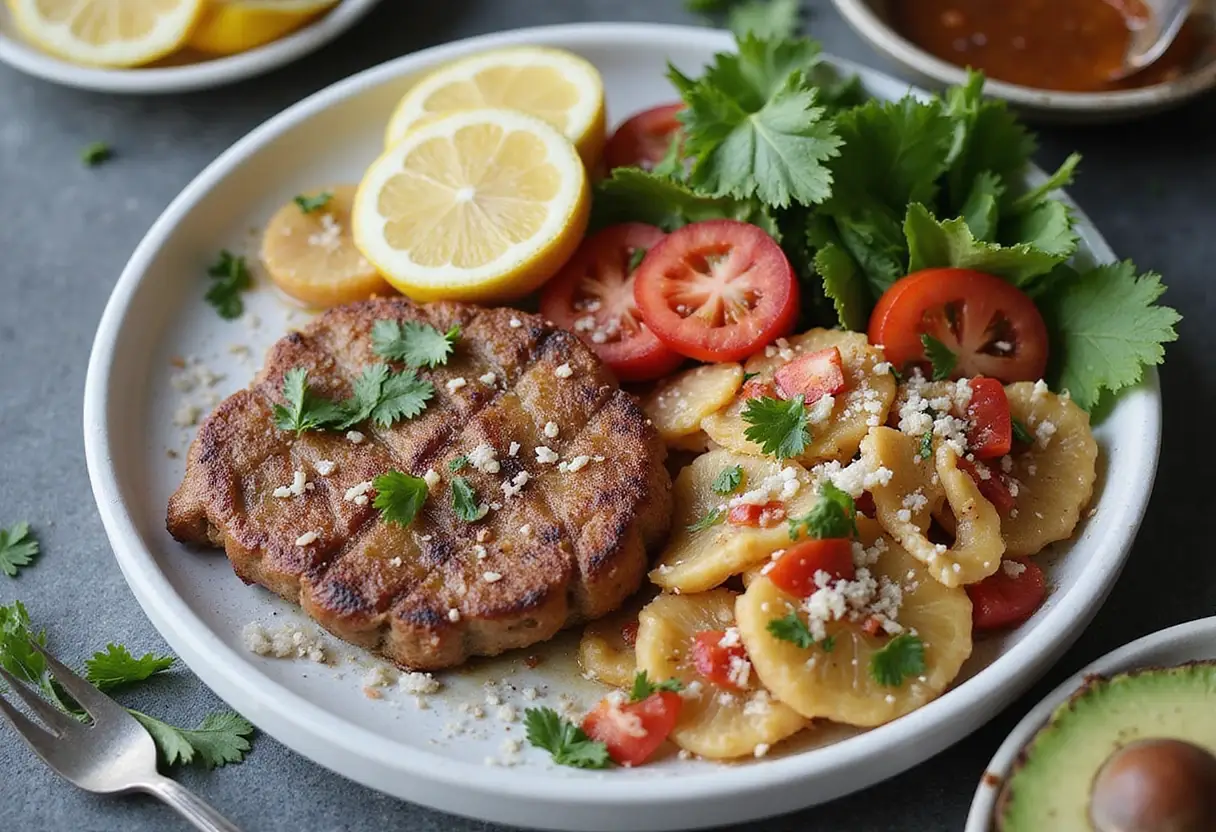
Fizz, Ferment and Fire: The Flavour Trends Shaping Menus Next
FoodNavigator names carbonation, fermentation and heat as the flavour directions guiding food and beverage development for the coming product cycle.
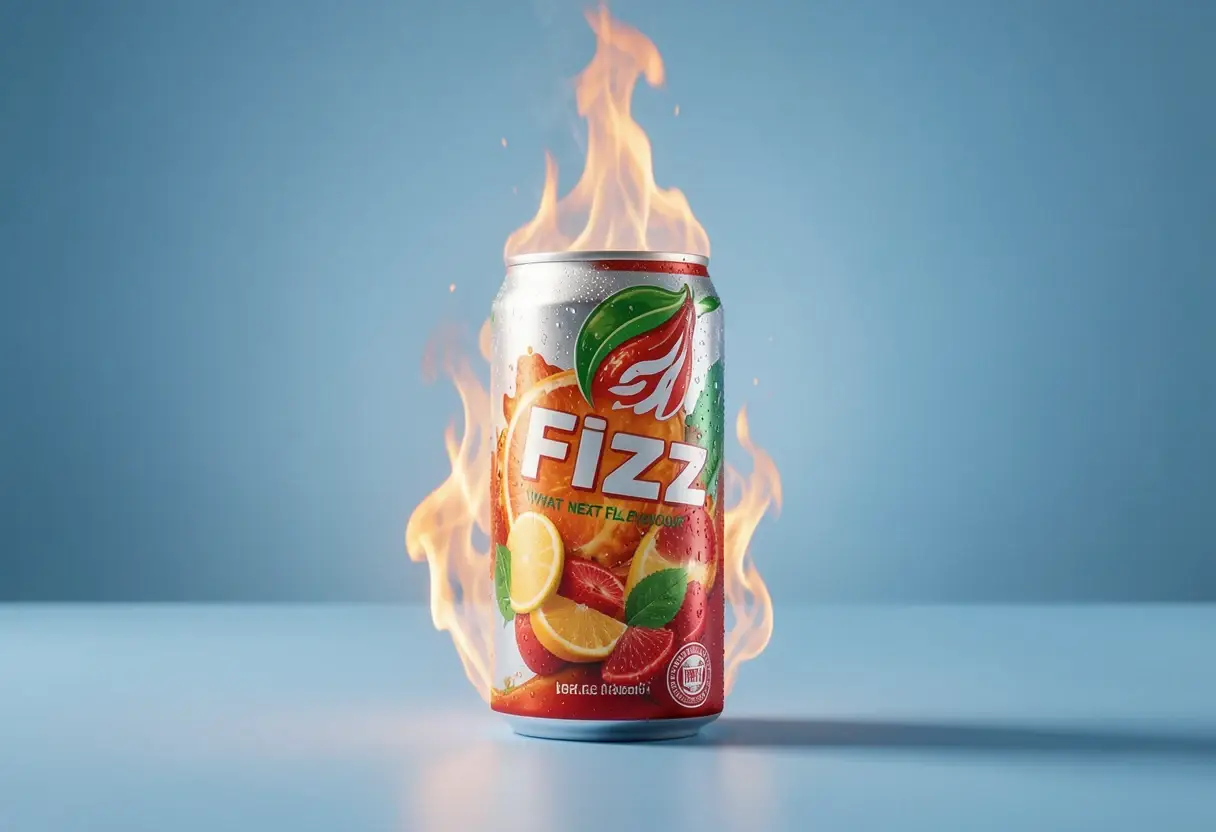
FoodNavigator has flagged carbonation, fermentation and heat as the three flavour directions commanding attention across food and beverage development. The trade outlet's trend piece, "Fizz, ferment and fire: What's next in flavour," frames the trio as the shortlist for R&D teams planning their next menu and product cycles.
The framing matters for operators. These are not dining fads. They are sourcing and menu-engineering levers.
Why do these three trends travel together?
Each carries a functional story, not merely a taste profile. Fermentation supplies acidity and umami while extending shelf life — a cost-of-goods argument as much as a culinary one. Carbonation delivers sensory impact through texture, which can justify premium pricing on otherwise simple beverages. Heat, meanwhile, keeps migrating across dayparts and categories, moving beyond hot sauce into confectionery, snacks and drinks.
For chains, the practical read is this:
- Fermentation supports cleaner-label positioning and can replace added acids and preservatives in formulations.
- Fizz offers a low-input route to perceived innovation in beverages, requiring reformulation rather than new equipment.
- Fire remains the most portable trend, applying to seasoning blends, marinades and limited-time offers without supply-chain overhaul.
What should operators take from it?
The trend coverage is aimed at product developers, but the implications reach restaurant menus. Fermented ingredients — gochujang, koji, lacto-fermented fruits — allow chefs to build depth without expensive proteins, a margin-preserving move when commodity costs squeeze plate economics.
Carbonation plays similarly in the beverage program. Sparkling formats can lift check averages on non-alcoholic drinks, a segment where operators continue to chase margin as alcohol sales soften.
Heat is the most mature of the three. Its growth now depends on specificity: named chili varieties, regional heat traditions, and capsaicin-adjacent formats like Sichuan peppercorn rather than generic "spicy" callouts.
The short verdict: flavour trends that carry an operational story outlast those that do not. Fizz, ferment and fire all do. Expect FoodNavigator's fuller analysis to shape supplier briefs and, downstream, the limited-time offers that reach menus next year.
More from Rebecca Stone
Show full bio
Senior reporter covering technology and product news in Restaurant and hotel operations at The Pass Brief.
463 articles