First Hospitality Bets on AI Agents and Local Diners for 2027
First Hospitality's 2027 outlook: AI agents resolving half of 5,015 calls, Mahjong nights lifting daily revenue 200%, and holiday bookings pacing 20% ahead.
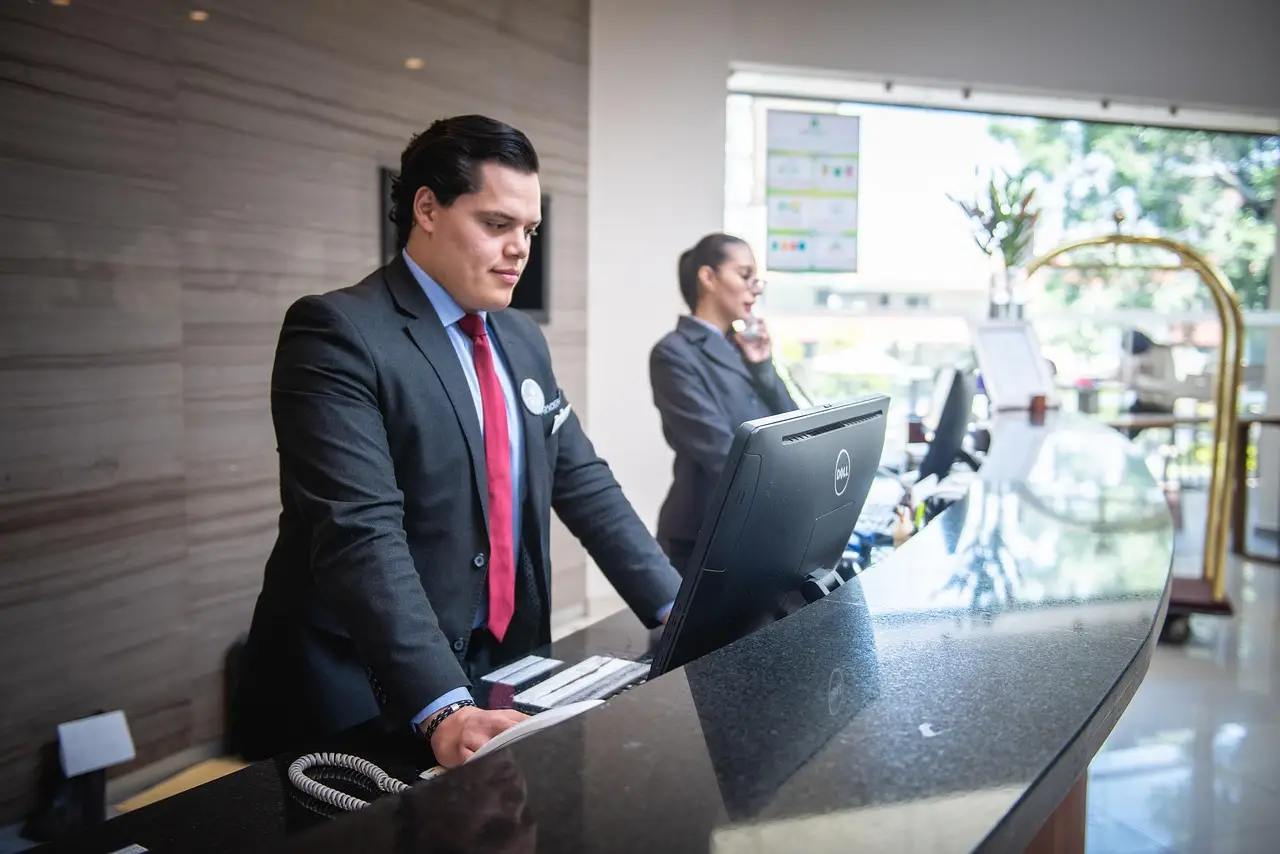
Two AI-powered virtual assistants at a downtown Columbus lifestyle hotel handled 5,015 calls, resolving half without any human intervention — the hardest number behind First Hospitality's 2027 outlook, released this week by the Chicago-based hotel operating, management and development company.
The company, founded 40 years ago, identified five trends it expects to shape hotel operations, restaurants and guest experience through 2027, each anchored to measurable results from its own portfolio of branded, lifestyle and independent properties across the United States.
What is AI replacing — and who benefits?
The Columbus deployment shows the economics. Calls averaged 38 seconds with no hold times, and the system freed up more than two days of front desk staff time. Virtual agents answer routine guest calls immediately and route complex needs to associates. First Hospitality is now piloting the technology at several additional hotels.
Nick Johnson, Senior Vice President of Full-Service & Lifestyle Hotels, framed the strategy as labor reallocation rather than labor reduction: "Technology should enhance the human connections that make hospitality special, not replace them." He said the company's focus is using AI to understand guest preferences and let teams deliver more personalized service.
Can restaurants drive revenue without overnight guests?
First Hospitality is treating hotel food and beverage as a standalone business, not an amenity. The numbers make the case:
- At a California coastal lifestyle property, a weekly Mahjong Series with SB Crack Club generated more than 200% growth in daily revenue versus a typical day.
- A "Poison Garden"-themed murder mystery dinner with THEY Improve, held on the lawn of an 1880 landmark across more than five acres of gardens, drew over 75 guests and produced more than $10,000 in ancillary revenue.
- At a 93-room Indiana lifestyle property, only 30 to 45 overnight guests dine at the hotel for breakfast on an average day — local diners are essential to the restaurant's economics.
- In Green Bay, Wisconsin, the company is developing restaurant concepts targeting 60% of business from local diners, with operating hours matched to demand.
Danny Py, Vice President of Restaurants & Bars, said the differentiator will be running a distinctive dining experience efficiently "as the industry faces continued pressure on labor and operating costs."
Menu engineering follows the same logic. Guests are ordering smaller plates, ingredient-forward dishes and beverages aligned to individual preferences — matcha, the emerging alternative hojicha, zero-proof cocktails and bitter, vegetable-forward ingredients. Operators will need to rethink traditional menus to meet those expectations.
Do wellness programs pay?
At a Sedona lifestyle property, daily sunrise meditation and yoga overlooking the red rocks, weekly sound baths, nightly moonrise ceremonies with a tequila sipper, Saturday stargazing and palmistry classes have turned the hotel into a year-round community hub. Live music seven days a week doubles the average guest check — incremental food and beverage revenue layered on top of room nights.
"Wellness is no longer just an amenity; it's becoming a key factor in how guests choose where to stay," said Jared Heglin, Vice President of Full-Service & Lifestyle Hotels.
What does value-conscious booking change for revenue strategy?
Travel demand is holding, but booking behavior is shifting. Across First Hospitality's portfolio, holiday bookings are pacing 20% ahead of last year, with room rates trending approximately 6% higher. Select-service hotels are outperforming full-service and lifestyle properties — a signal of more budget-conscious travel without giving up trips.
Travelers are booking earlier for peak holiday periods to lock in favorable rates, even as shorter booking windows and last-minute surges persist elsewhere. "Higher gas prices aren't stopping Americans from traveling; they're changing how they travel," said Nadia Panasyuk, Senior Vice President of Revenue Strategy, noting consumers now weigh the cost of driving versus flying and maximize loyalty benefits.
Christina Santarelli, Senior Vice President of Marketing, summarized the operating thesis: "The hotels that succeed will be those that embrace innovation while delivering brand-driven, personal experiences guests remember."
What does this change for hotel owners? First Hospitality's bet is that in 2027, competitive positioning will come from monetizing spaces and programming beyond the room night — and the portfolio data suggests it is already testing that thesis property by property.
More from Elena Vasquez
Show full bio
News editor covering people, launches and day-to-day practice in Restaurant and hotel operations at The Pass Brief.
718 articles