Family Farmstead Dairy Recalls Raw Cheddar After Maryland Testing Finds E. coli
Maryland testing found two E. coli strains in Family Farmstead raw cheddar sold in NY and NJ. No illnesses reported. The recall covers one lot with a 7/22/27 best-by date.
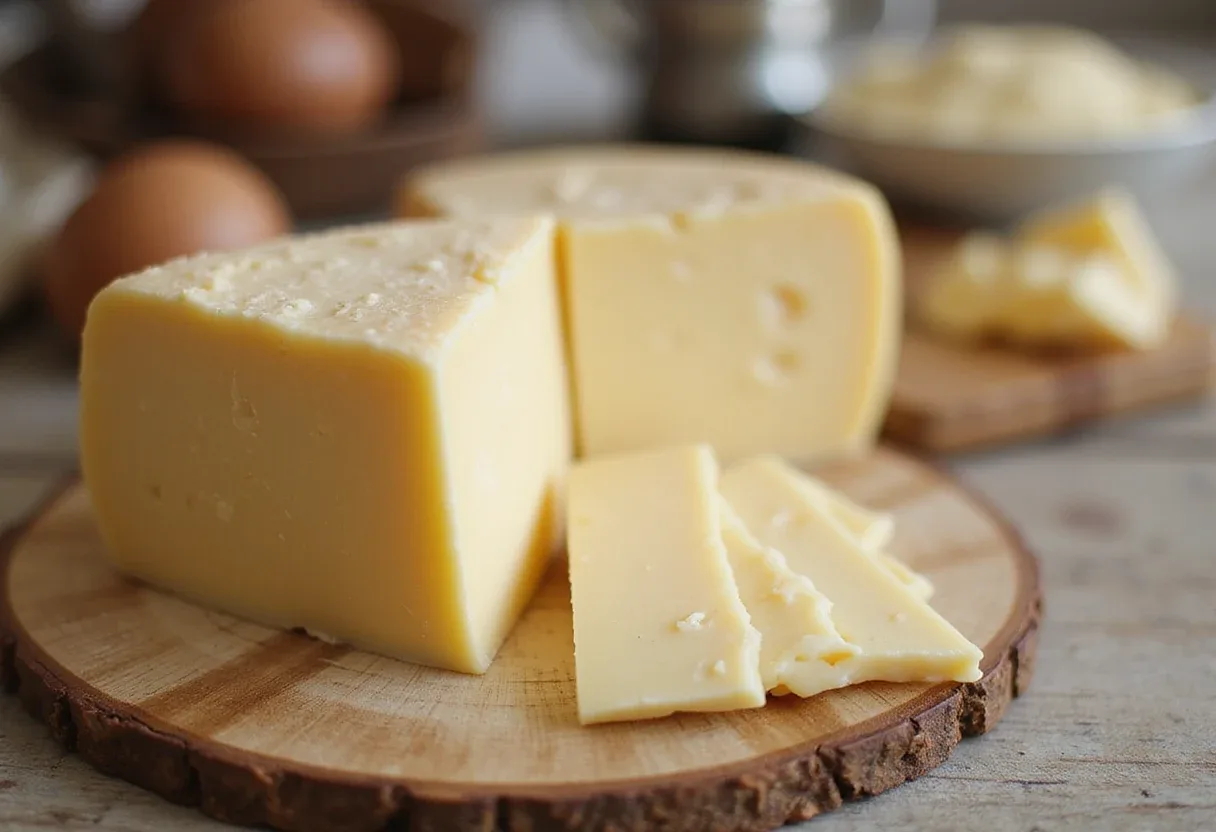
Family Farmstead Dairy of Worcester, NY, is recalling its Raw Mild Cheddar Cheese after Maryland regulators isolated two strains of Shiga toxin-producing E. coli in 8-ounce packages of the product. The cheese reached grocers in New York and New Jersey before the contamination was detected.
The recall covers one specific lot. The affected details are:
- Product: Family Farmstead Dairy Raw Mild Cheddar Cheese
- Lot Code: 7/22/27
- Best By Date: 7/22/27
The cheese comes in clear plastic packaging with green, red, and white labeling on both the front and back. Consumers who bought it should discard the product or return it to the place of purchase for a full refund.
How was the contamination found?
Routine sampling found the problem, not an illness report. A sample collected through LFFM in Maryland isolated two distinct strains of Shiga toxin-producing E. coli across two samples of Family Farmstead A2 Raw Cheddar in 8-ounce packages. No illnesses or allergic reactions have been reported to date.
That distinction matters. The detection preceded any consumer harm, which suggests the sampling system worked. But raw milk cheese carries inherent risk because it skips pasteurization, and testing catches contamination only after production and distribution have already occurred. The recall notice does not say how much product the lot contains, how long the cheese sat on shelves, or whether any additional lots are under review.
What does E. coli O157:H7 do?
The bacteria may cause severe stomach cramps and diarrhea, which is often bloody. Some patients develop a fever. Most recover within five to seven days. Others face severe or life-threatening complications.
The recall notice carries the standard warning for this pathogen. Anyone who ate the recalled cheese and developed symptoms should seek medical attention and tell their doctor about the possible exposure. Specific tests are required to diagnose the infection, which can mimic other illnesses.
Who faces the greatest risk?
About 5 to 10 percent of those diagnosed with E. coli infections develop hemolytic uremic syndrome, a potentially life-threatening form of kidney failure. Symptoms include fever, abdominal pain, fatigue, decreased urination, small unexplained bruises or bleeding, and pallor.
HUS is most common in children younger than five, older adults, and people with compromised immune systems such as cancer patients. Many recover within a few weeks, but some suffer permanent injuries or death. People with HUS symptoms should seek emergency care immediately, as the condition can cause hypertension, chronic kidney disease, brain damage, and neurologic problems requiring hospitalization.
What should retailers and consumers watch?
Grocers in New York and New Jersey should pull the affected lot from shelves and verify inventory against the lot code. The recall is limited to a single product and a single best-by date, but retailers handling other Family Farmstead raw milk items may want confirmation from the dairy that no broader hold is planned. The company has not disclosed sales volumes or distribution counts, so the recall's actual footprint remains unclear.
For now, the case stands as a test of sampling-based detection in the raw milk cheese category. The system caught the pathogen before any reported illness. Whether it caught every contaminated package is a question the recall notice does not answer.
More from Marcus Bennett
Show full bio
Market editor covering technology and product news in Restaurant and hotel operations at The Pass Brief.
443 articles